| OCR Text |
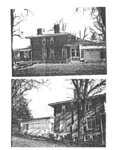
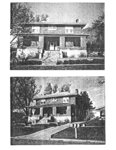
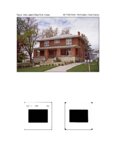
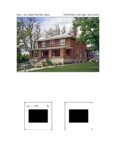
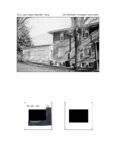
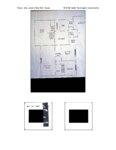
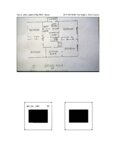
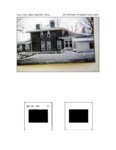
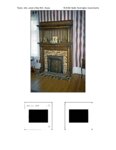
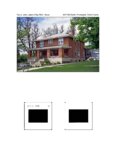
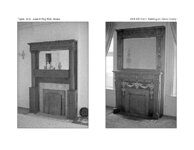
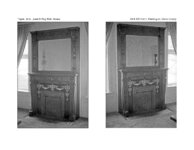
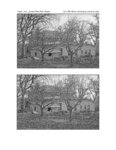
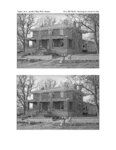
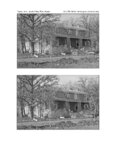
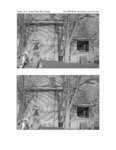
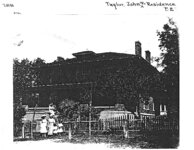
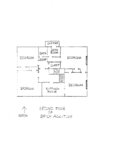
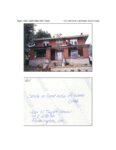
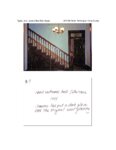
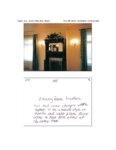
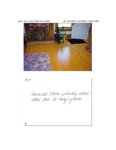
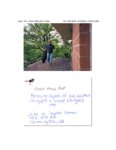
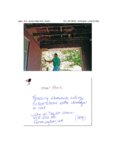
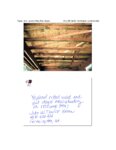
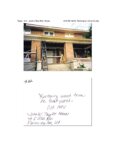
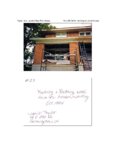
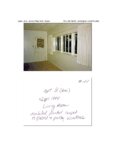
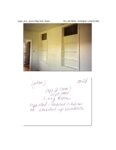
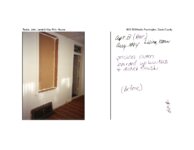
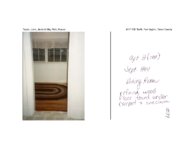
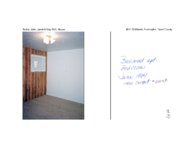
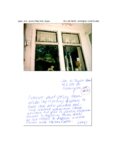
Show NPS Form 10-900-a OMB No. 10024-0018 U1ah WoroPOr1QC1 5.1 Formal (RevisacI Feb. 1993) United States Department of the Interior National Park Service National Register of Historic Places Continuation Sheet Section No. L Page_1_ Taylor, John W., Janet (Nettie) and May Rich, House, Farmington, Davis County, UT Narrative Description The John W., Janet (Nettie), and May Rich Taylor House is a two-story brick foursquare built c.1901 attached on the north side to a single story adobe house c. 1878. The foursquare (main) house faces south on a residential street in the center of Farmington and dominates the street scene. The lot has a sloping fully landscaped yard with lawn and thirteen mature trees which appear to date from the historic period. The c.1878 single story rectangular block adobe house has a stone foundation and hand made brick covering the floor of the cellar. The walls are adobe covered with stucco. Most of the windows are historic double hung, wood sash, single light windows with wood lintels and sills. There are the remains of two chimneys in the attic that no longer extend through the low pitched hip roof. The kitchen is in this portion of the house and has a pine and fir hutch built into the west wall and tongue and groove cupboards on the east wall. A historic wood frame, drop sided one-car garage with a shed roof was added to the east side, probably in the 1920s. Another wood frame and drop sided addition was built on the west side, probably also in the 1920s. It projects west from the brick portion of the house far enough for a door to be in the south wall of this addition. There is a band of fixed wood windows with three lights divided by vertical muntins in the east elevation. The two-story foursquare is constructed of red brick with white mortar and a concrete-faced stone foundation. The full width front porch has a hip roof supported by four massive square brick piers. Side lights with diamond shaped muntins and a leaded glass transom surround the main entrance door. A historic photo shows that the second floor large fixed pane windows with leaded glass transoms were replaced with pairs of one-aver-one double hung windows in the original openings. All of the windows on the first floor have large fixed panes separated from their transoms by wooden dentil patterned trim, and the second floor windows are one-aver-one double hung windows. However, a large chimney on the west elevation, and two large chimneys on the east elevation, impact the displacement and size of the windows which vary on these side elevations. The lintels and sills are concrete. The interior of the main house is quite ornate in relation to its simple exterior. It retains much of its elaborate original woodwork, including two sets of pocket doors in the large first floor drawing room to the west. Some interior woodwork was originally grained to look like oak but has been painted. Five panel wood doors with transoms are used throughout the house. There are five fireplaces, one in each of the three rooms on the first floor and in the two bedrooms on the east side of the second floor. The mantles throughout are oak and have original ceramic tile and ornate, cast metal fire box fronts. The dining room mantle stands eight-and-a-half feet tall with large carvings of lion heads and serpents. The plan of this house is somewhat unusual for a foursquare. Instead of having four roughly equalsized square rooms on the first floor, the western side has one long room (the drawing room) extending the full depth of the house. The central hall appears to the rear of the house, between the drawing room and the dining room. The kitchen is located in the c.1878 adobe house. ~ See continuation sheet |