| OCR Text |
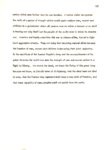
Show 102 policy of neutrality, therefore, emotional desite to avoid war. factors that determine foreign he u4 concludes, "hes He policy, nation and events, in Why loy down which in turn decide before you get to cross, or ws rule based to it, knowing on sentiment and not espeelelly our state system, the war or peace, the He knew that how people determined by the exigeneies, the circum$tances giver,. situation. Why lay down a a reacted, factors than more understood the modern position of the United States in the world scheme. acted, how many G on rule that you cannot facts? Why cress Q when you know that there will not be that there is one somewhere, to ¢fO$S not a keep? bridge bridge knowing whether you want to do it--whether it will be to your best interests to do so? The pros" matie element in his analysis political philosophy of international relations. It is a Neutrality consistent line of Anyone who can .A.ct. This the no even he did not let his views interfere with his voted for the is own better illustrated than in his better iIIus,troted in the fact that pol iticol people wonted, at success it seems. reasoning. This he wanted Clnd kept for his please the people Clnd keep his own the polls. He He maintained own eensclenee conscience intact is a good politician. Thomas had his chanee to preceding and display his parliamentary and debating during the 1939 special I_sion ington during the hot summer Radio Address, loc . Congress. He months to round up the Senators. but two, Downey of California and 4 of cit. Wiley of Wisconsin, voted stayed Every as , skills in WCI$h Senator they had been |