| OCR Text |
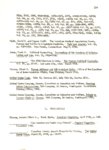
Show 59 Thomas appro_heel not through what for going to was this Wlttten study of polities thro,ugh the statute book on textbeoks for ratio.,.UzatiOft of conduct. Thomas would 'say it l$ Q man or G' In o.rder to understand the would be feltowhl.'quototion people in the firm SG,Id: '!Our eeuntr,Y ;$ through political slogans. between an enlightened It a to ., from of his one address to as .t will be personal, speech., Thomes Q slavery to ,His ewn suggested otways the Nationa' covrse slogerm. through Q poUtt es think and we He of pre, move distinguished prineiples Gftd en .legem. Lawyers' Guitd, he said, see a you advocate. concept not ott'itude tow_G in the and rational adherence to fundamental to ('J it dead pcpt and aid not different eategotfes end concepts of He abhorred nWe would: like to men, grip 0' ,lo,_-centroUed country, emotional GAd ignorant attachment In Government is ach_gt"1 world. in mind. constantly kept senting his vieW$ with reference once Reading his textbook. group of men. free them for greeter effort r.toted to mutt be and men thought; those thot imprisoned people and di,d release them, those thot held He Q if not necessety, to indicate another attitude. well, attacked ancient habits of e.hange in or the actions of aut GOvernment of low and not of we know that is not possible. American ideals and Amerieon principles. That this great teacher was able to send out ot the some tbne three persons who became leaders in thefr State, and in the Notion, ,each of them disagreeing at times with one another, is a tribute to what a gbod teacher can accompl ish. Such Q teacher inspires his students to noble deeds Qnd ideals; he does not OJpir. to control lives and to force acceptance of theories. Record, Vol. 87, p. 818, (77th Congress, 1st s_lon, Co'f,_lonai February 10, 1941,. |