| OCR Text |
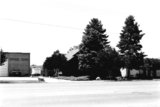
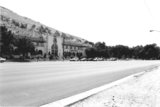
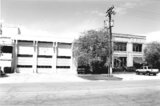
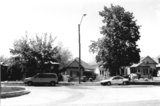
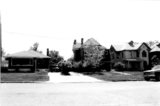
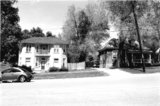
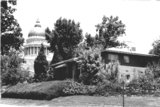
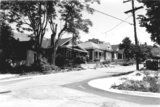
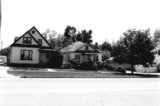
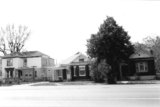
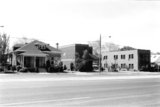
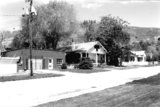
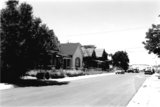
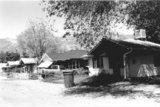
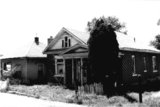
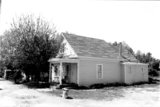
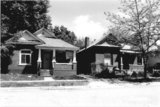
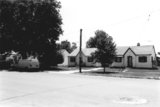
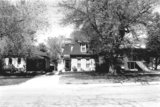
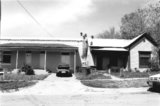
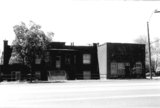
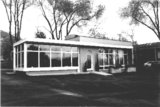
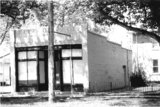
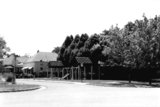
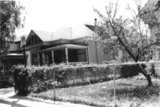
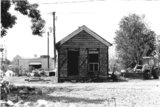
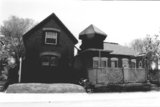
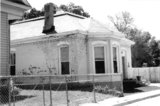
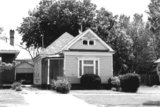
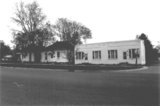
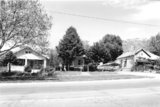
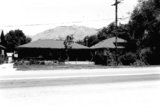
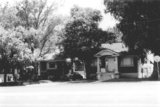
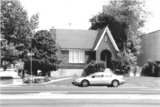
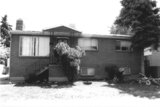
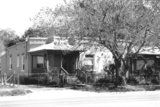
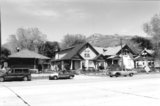
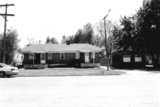
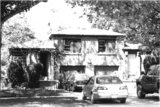
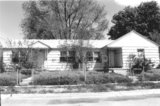
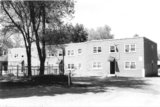
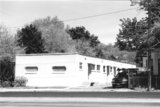
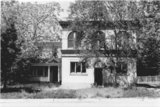
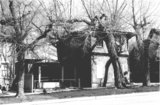
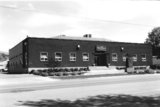
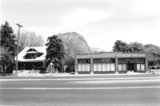
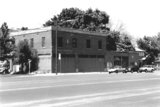
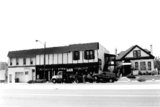
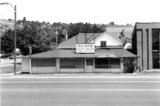
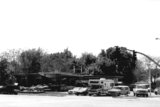
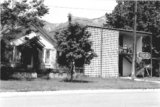
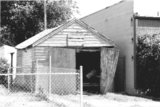
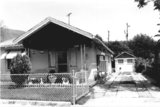
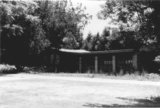
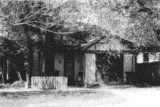
Show United States Department of the Interior National Park Service 0MB No. 1024-0018, NPS Form National Register of Historic Places Continuation Sheet Section No. 7 Page 10 Capitol Hill Historic District (Boundary Increase), Salt Lake City, Salt Lake County, UT neighborhood commercial buildings ranged from the very small one-part blocks (380 West 400 North, built circa 1900; and 275 West 400 North, built circa 1890) [Photographs 23 & 46] to very large twopart block (a laundry building built at 244 West 300 North in 1912) [Photograph 3]. Two part blocks are also located at 258 West 400 North (built circa 1905, tenuously attached to a house, and later converted to apartments), and 242-244 West 500 North (built in 1906 and attached to half a Victorian Eclectic house) [Photographs 52 & 53]. There are several commercial buildings on 400 West, however the only contributing building is the 1948 brick, and concrete block Graybar Electric Company building [Photograph 54]. There have been commercial buildings on 300 West since the 1860s; however the earliest extant buildings are from the late nineteenth and early twentieth century. The six one-part blocks are all constructed of brick and most were used as grocery/markets. Examples include 785 North (built in 1894) and 422 North (built in 1926) [Photographs 21 & 55], The best two-part block is a former drug store at 403 North 300 West, built in 1911 [Photograph 56]. There are several other historic commercial blocks on 300 West that are currently non-contributing, but many of these have the potential to be rehabilitated [Photograph 57]. The 300 West transportation corridor also has several examples of buildings related to the rise of the automobile in the first half of the twentieth century. In the 1920s, at the corner of 300 West and 500 North, one homeowner converted their home into a grocery/fruit stand [Photograph 58]. The former Conoco station at 784 North 300 West was built in 1953 (replacing a 1919 station on the same site) [Photograph 22]. Another station at 575 North 300 West was built just outside of the historic period (circa 1957) [Photograph 59]. Other out-of-period buildings are scattered throughout the district [Photograph 60]. Outbuildings Only a handful of coops and sheds remain from the family farming days of the increase area's early history, and none are noteworthy. The majority of contributing outbuildings are garages, which began appearing in the area in the late 1910s. These garages are most single-car, simple-gable frame and brick structures that face the street [Photographs 61-62]. An early concrete block example is behind 677 North 300 West [Photograph 63]. One interesting example is a circa 1915 garage built as an addition to a turn-of-the-century homes at 242 West 400 North [Photograph 64]. Summary The historic resources of the Capitol Hill Historic District (Boundary Increase) illustrate a range of architectural types and style that span over a century. These resources document the transformation of the neighborhood from pioneer farmsteads to Victorian suburb to bustling transportation corridor. |