| OCR Text |
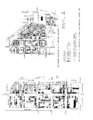
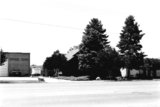
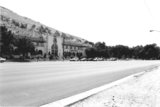
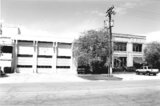
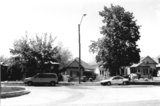
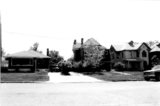
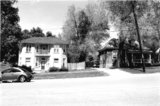
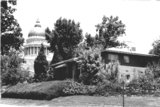
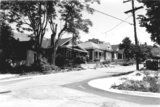
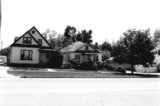
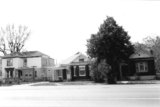
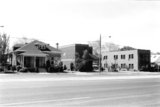
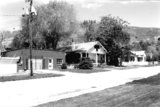
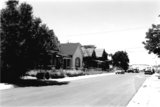
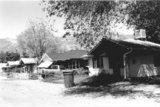
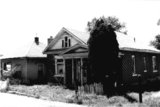
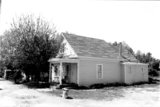
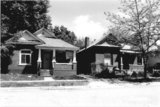
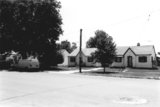
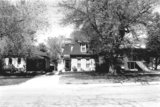
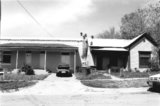
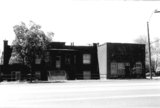
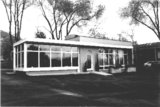
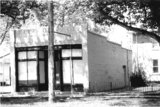
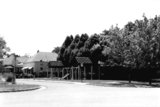
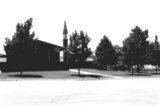
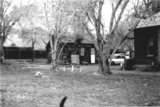
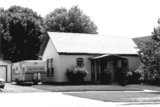
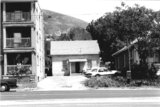
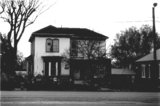
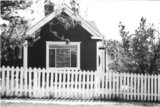
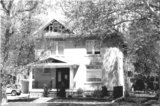
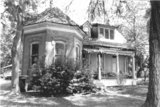
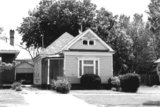
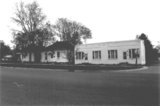
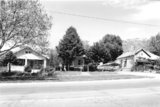
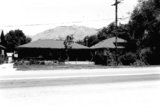
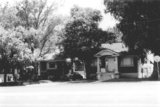
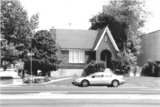
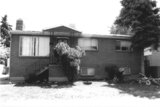
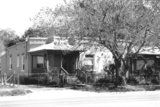
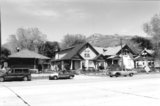
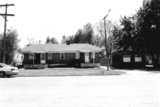
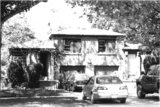
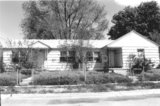
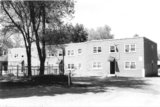
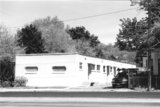
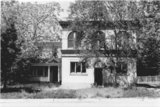
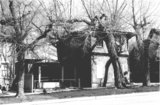
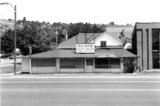
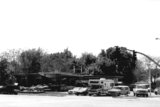
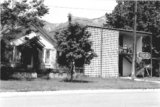
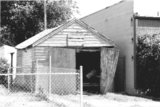
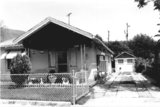
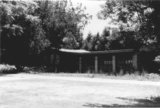
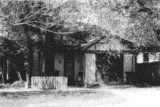
Show United States Department of the Interior National Park Service 0MB No. 1024-0018, NPS Form National Register of Historic Places Continuation Sheet Section No. 7 Page 4 Capitol Hill Historic District (Boundary Increase), Salt Lake City, Salt Lake County, UT In many ways, this neighborhood resembles neighborhoods throughout Salt Lake City. It contains a mix of housing stock ranging from the pioneer-era to the 1950s. There are a few adobe homes in area, but many have been modified and modernized. The largest, single group of buildings date from the Victorian period, 1890 to 1910. Brick was used extensively in this area, though a number of frame examples can be found. There also are several excellent and well-preserved bungalows and period cottages in the neighborhood. During the general decline of the Capitol Hill neighborhood in the 1960s and 1970s, a number of apartment blocks (ranging from four units to over a hundred) were built. Attracted to the area by large blocks of flat land, these non-contributing apartment blocks were the main reason for the irregularity of original district's eastern boundary. There is, in fact, no difference between the development patterns and housing stock east of 200 West and the neighborhood in the increase area to the west [Photographs 4-6]. Development Patterns The Capitol Hill Historic District (Boundary Increase) retains the feel of the original 1847 city plat (tenacre blocks divided into eight lots with streets 128 feet wide). The increase area is entirely within Plat A, and includes all of Blocks 115, 120, 133, 138 and 151, and portions of Blocks 114, 121, 132, 139 and 150. Originally, each one and one-quarter acre lot was designed for a single-family dwelling set twenty feet back from the street with space for outbuildings and garden plots in the rear. Many of the oldest houses are located at the corner of the blocks with infill housing ranging from Victorian cottages to bungalows and period cottages. Several of the blocks include alleys or residential courts extended into the inner blocks with housing built around the turn of the century. There were no subdivisions platted in the increase area, despite the presence of many amenities during the city's subdivision boom period between 1888 and 1903. The proximity of several railroad lines (the closest being the Denver and Rio Grande, which had a track running in the center of 400 West for nearly a century) probably discouraged many developers from investing in the area. However, in September 1891, landowners George and Elizabeth Goddard, platted part of Block 150, and dedicated Reed and Fern Streets. This transaction may account for the offset, narrow 700 North between 200 and 300 West. The planning of the residential courts seems to be more haphazard, developed gradually by families. Of the twelve historic residential courts located in the area the following are intact: Arctic Court (formerly Pacific Avenue), Ardmore Place, Bishop Place, Ouray Avenue (formerly Ostler's Court), Pugsley Street (400 block) and Reed Avenue (west of 300 West, formerly Rosella Court). Land use (and accompanying zoning) in the increase area is a patchwork of residential, commercial, and mixed use that reflects the historical influences of the railroad near 400 West and the 300 West transportation corridor. |