| OCR Text |
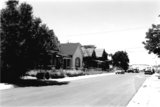
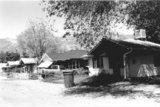
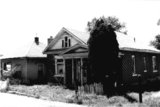
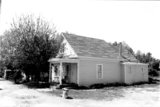
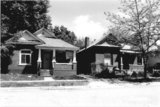
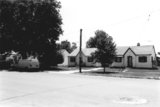
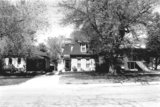
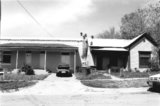
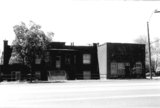
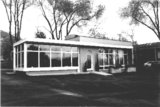
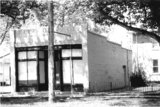
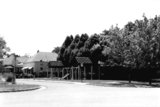
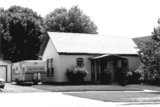
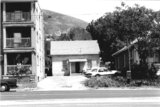
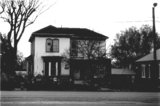
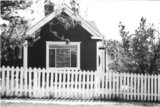
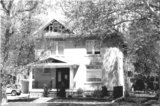
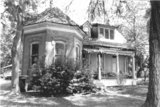
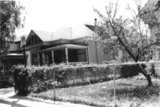
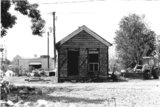
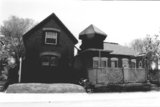
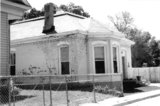
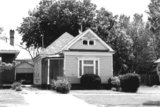
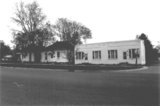
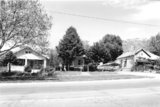
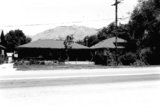
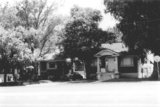
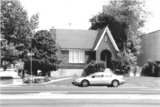
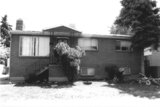
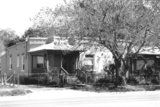
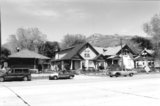
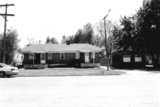
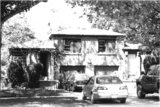
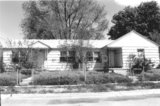
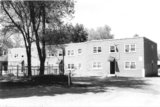
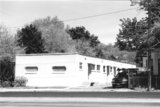
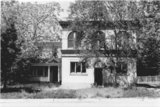
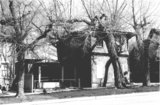
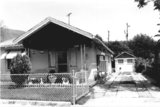
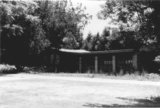
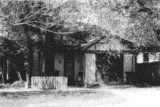
Show United States Department of the Interior National Park Service OMB No. 1024-0018, NPS Form National Register of Historic Places Continuation Sheet Section No. 7 Page 9 Capitol Hill Historic District (Boundary Increase), Salt Lake City, Salt Lake County, UT Housing Administration to promote home ownership during the depression [Photograph 18].7 The floor plans are small and compact, construction is simple frame and siding, and stylistic elements are limited to the projecting entrance. The only ranch-style single-family homes in the increase area were built just outside the historic period on Ardmore Place [Photograph 43]. Multiple-family Dwellings: Double Houses (Duplexes). Apartment Buildings, and Hotel/Motels Thirty-seven residences within the increase double houses (commonly referred to as duplexes). There are ten historic apartment blocks, and two hotel/motel complexes. Most of the double houses were built between 1890 and 1910 and are dispersed throughout the district. Stylistically, they come in two varieties: the urban model with a flat-roof and decorative brick parapets, and the more domestic, hipped or gable roof type [Photographs 20, 38,44 & 45].8 Despite being rental units (or perhaps because they are rentals), many of these dwellings have survived relatively intact with only minor changes, such as the replacement of the classical porch columns with wrought iron. The oldest double houses are all brick masonry. A handful of double bungalows are found in the increase area [Photographs 40 & 46]. An unusual concrete block example is located at 370-374 West 400 North (built in 1938), and one duplex represents the post-war era [Photographs 47 & 48]. There are seven historic apartment blocks in the increase neighborhood. All are small with only four to eight units. The example at 775 North 300 West, built circa 1894 is representative, though atypical because it is attached to a commercial building [Photograph 21]. Across the street at 776 North, the Lorna Apartments, a walk-up built in 1913, looks imposing, but only has six units [Photograph 49]. The Jo-Beth Apartments, built in the 1930s, on Ardmore Place was originally eight units [Photograph 50]. The most interesting of the motel courts is an Art Moderne building at 338 North 300 West, built circa 1941 [Photograph 51]. As noted above the increase area contains several out-of-period apartment complexes, built between the 1970s and the present [Photographs 4 & 19]. Commercial/Public/lnstitutional Buildings The eighteen contributing commercial/public/institutional historic buildings within the increase area represent a varied and eclectic group. Five are located on the quiet neighborhood cross streets running east to west. One is located on 400 West, and the rest are on 300 West. The five 7 Federal Housing Administration, Principles of Planning Small Houses, Technical Bulletin No. 4, Washington D.C.: U.S. Government Printing Office, 1936. 8 The word duplex as used in the nomination refers primarily to the one-story, semi-detached buildings known historically as double houses. Carter and Goss classify the flat roof duplex as "Double House C" and the hipped/gabled roof version as "Double House A." Horizontally divided duplexes (called "Double House B") appear in the area only in the 1950s. See Carter and Goss, 74-79. It appears the majority of these duplexes were owned as a unit on a single parcel of land. Many of the oldest examples were occupied by their owners with relatives living in the adjoining unit. |