| OCR Text |
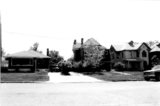
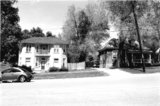
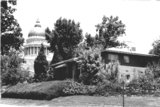
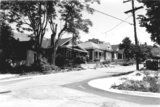
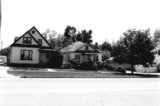
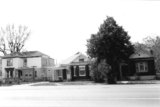
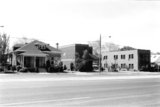
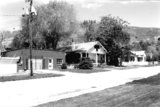
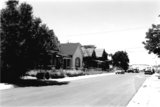
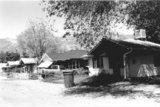
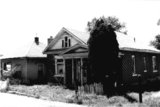
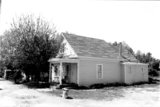
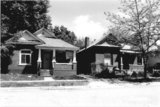
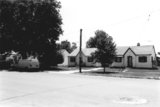
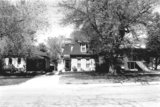
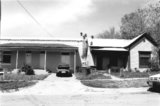
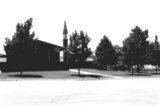
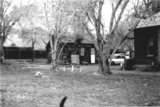
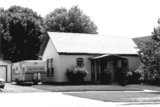
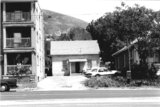
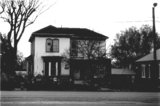
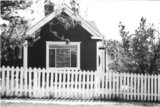
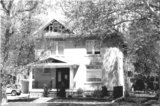
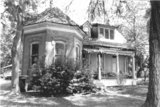
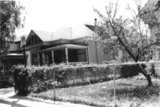
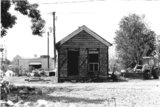
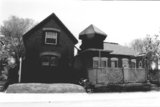
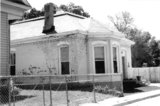
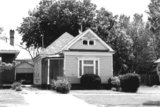
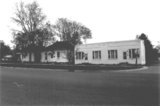
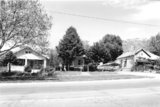
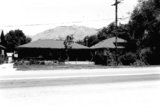
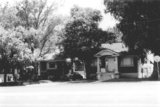
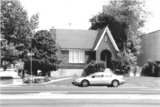
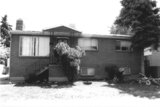
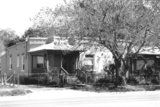
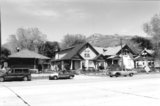
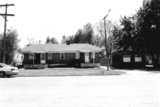
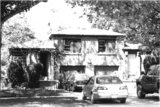
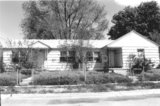
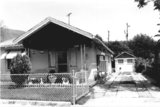
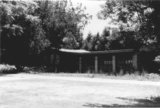
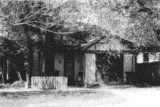
Show United States Department of the Interior National Park Service OMB No. 1024-0018, NPS Form National Register of Historic Places Continuation Sheet Section No. 7 Page 8 Capitol Hill Historic District (Boundary Increase), Salt Lake City, Salt Lake County, UT Single-family Dwellings: Early Twentieth Century. 1900-1939 The first decade of the twentieth century was a transition period in the Capitol Hill Historic District boundary increase area. The large blocks had been divided several times, and new housing was infilled as needed. While Victorian house-types continued to be built until 1910, new house types were emerging. A handful of foursquares were built in the district, all the one-story variety found in Salt Lake's working-class neighborhoods [Photographs 9,15 & 38]. Utah's dominant architectural style of the early twentieth century was the bungalow. Sixteen percent of contributing single-family houses in the district are bungaloid in type and style. The bungalow was intended to be a comfortable, sheltering, low profile house, and most of Utah's examples are modest. Bungalows appear as groups of tract houses throughout the increase area as well as individual in-fill. The description of bungalow as a type, as well as a style, fits most of the bungalows in the district. The houses usually have the narrow end to the street with a variety of roof styles, and a full or half-width porch. The most popular material for bungalows was brick, with wood and stucco used for decoration. There is only one completely frame example in the increase area. Stone was used as a foundation material in early bungalows, however after 1915, concrete was used almost exclusively. The brick bungalows at 262 and 264 West 600 North are two of three built by a local builder in 1913 [Photograph 39]. Most have modest Arts and Crafts decorative elements [Photograph 40]. Herbert Meads, an extremely prolific local builder, constructed a group of five unpretentious bungalows between 620 and 640 Pugsley [Photograph 14]. After World War I, the bungalow remained popular, but the Period Revival movement favored by veterans who had served in Europe was evident in the architecture of the 1920s in Utah.6 A group of modest bungalows, built in 1924, by Ammon S. Brown uses period revival details and a relatively new material, striated brick [Photograph 41]. Period revival cottages account for only three percent of houses in the area: a percentage much lower than contemporaneous neighborhoods. A good example is found at 674 North 300 West [Photograph 42]. The amount of residential architecture built in the increase area dropped significantly during the depression years. By this time, much of the vacant land had already been developed. In addition, automobile use increased dramatically and 300 West became the main transportation corridor from downtown Salt Lake to cities northward. Single-family Dwellings: World War II and Post-World War II Era. 1940-1955 Only three percent of single-family dwellings in the district were built during the 1940s and early 1955. With no available land for large-scale subdivision, and increasing commercial use, there are only scattered examples of post-war houses in the neighborhood. Five houses between 363 and 377 West on 700 North, built circa 1945, typify the minimal traditional house developed by Federal Thomas Carter and Peter Goss, Utah's Historic Architecture, 1847-1940: a guide, (Salt Lake City, Utah: University of Press, 1988), 145. |