| OCR Text |
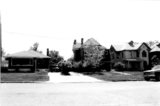
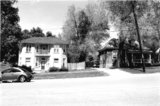
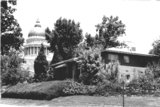
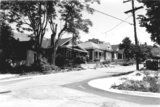
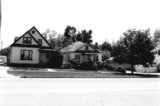
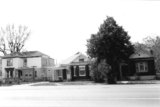
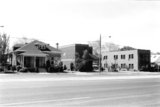
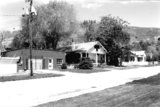
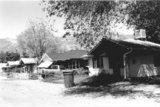
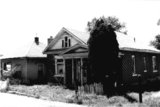
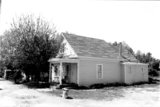
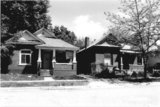
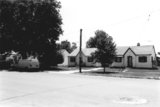
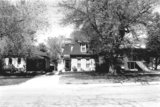
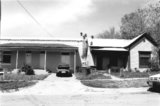
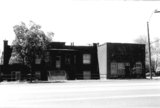
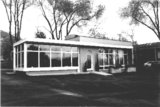
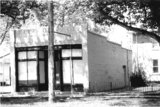
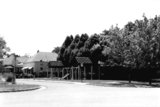
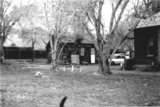
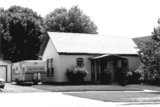
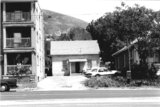
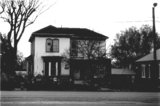
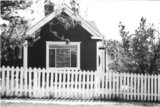
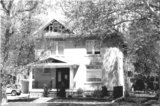
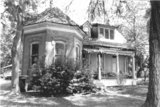
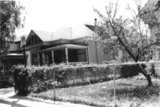
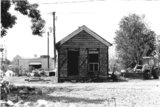
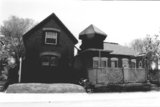
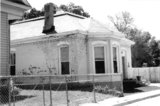
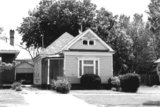
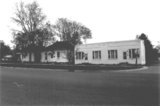
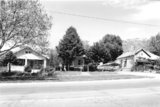
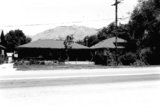
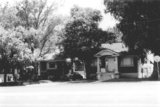
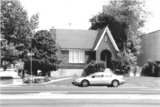
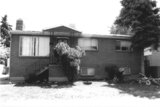
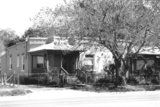
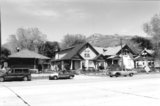
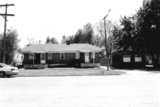
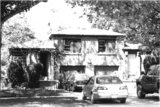
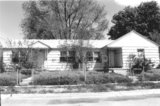
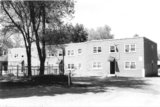
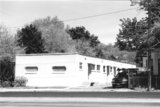
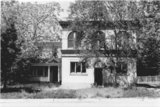
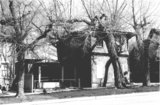
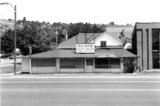
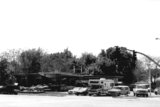
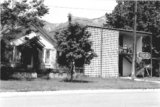
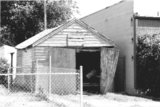
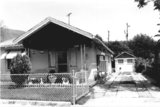
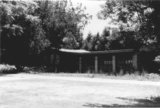
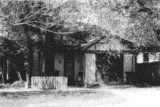
Show United States Department of the Interior National Park Service OMB No. 1024-0018, NFS Form National Register of Historic Places Continuation Sheet Section No. 7 Page 6 Capitol Hill Historic District (Boundary Increase), Salt Lake City, Salt Lake County, UT Architectural Styles, Types and Materials by Period Single Family Dwellings: Early Settlement Period. 18508-1879 There are 162 contributing single-family dwellings located within the district, only four of which have been identified as having been built before 1879. However, historical documents suggest the actual number of extant dwellings may be higher. Unfortunately additions, alterations, and the general lack of documentation makes it difficult to come up with an exact number. The oldest documented dwelling in the increase area is the William Hawk log cabin, built between 1848 and 1852, and listed on the National Register of Historic Places in 1978 [Photograph 26]. It is the only surviving log dwelling in the increase area, and probably the oldest in Salt Lake City on its original site. The Hawk cabin, located behind a Victorian cottage at 458 North 300 West, had an adobe addition attached by the 1880s. It was later moved to the rear of the property and used as a milk house and garage. Portions of other log dwellings may exist incorporated in larger structures, but most were converted to outbuildings (like the Hawk cabin) and later demolished. Of the many early frame buildings that appear on the 1889 Sanborn fire insurance map, most have been demolished or substantially altered. Existing adobe houses are easier to identify. Adobe brick was a popular building material in Salt Lake City, even after fired brick became available in the late 1860s. These adobe houses were typical of settlement-era houses, which have little stylistic detail other than classical symmetry. The house at 365 West 800 North, built circa 1875, is an example of the most common house type, the hall-parlor [Photograph 27]. An atypical example is 270 Reed Avenue, built circa 1876, a modified double-pile that originally faced 300 West [Photograph 28]. A study of the 1898 Sanborn map identifies over sixty extant adobe dwellings. Many of these were later enlarged (newer home built in front or on the side to make a cross wing). Currently many have plaster and veneers covering the historic materials. Tax cards also reveal a number of houses with adobe sections indicating they were built in the settlement period. Single-family Dwellings: Victorian Urbanization. 1880-1910 Houses types and styles of the Victorian era represent half number of single-family dwellings, substantially more than other housing type in the district. The increase area includes some adobe buildings that were updated in the Victorian style. The house at 236 West 400 North, built of adobe circa 1880, has a mansard roof and Victorian Eclectic details that may not have been part of the original construction [Photograph 19]. In the same period, substantial brick homes were being built using Picturesque styles. A two-story, Italianate cross wing at 443 North 300 West, also built circa 1880, is a good example [Photograph 29]. Stylistically, a small percentage of these homes 5 Family tradition suggests the Hawk cabin was originally within the walls of the old fort (300 South and 300 West). It has probably been at the present location since before 1859, though it now sits at the back of the lot. |