| OCR Text |
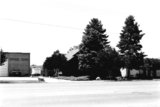
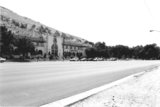
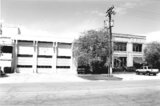
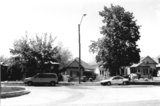
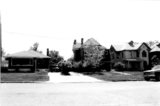
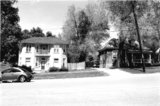
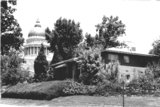
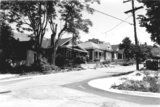
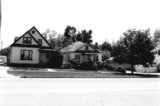
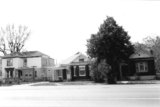
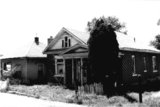
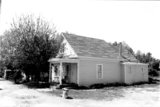
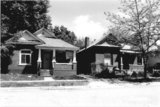
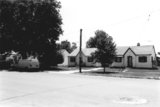
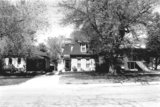
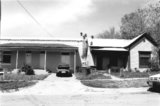
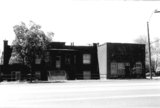
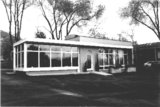
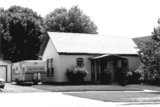
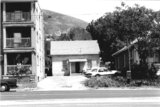
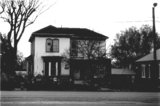
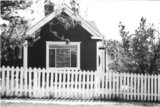
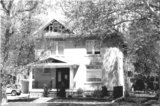
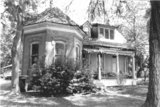
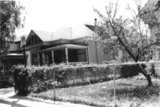
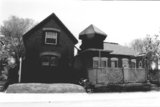
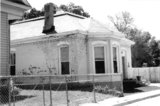
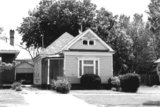
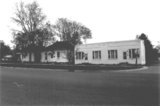
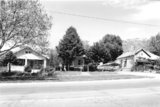
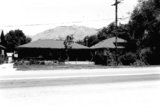
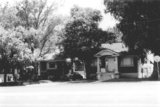
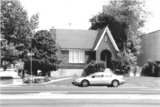
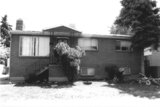
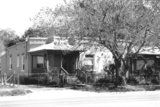
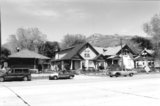
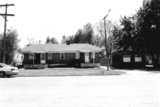
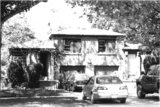
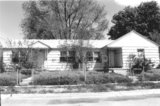
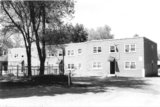
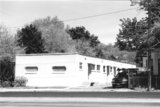
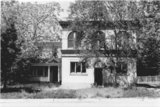
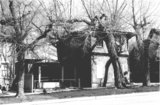
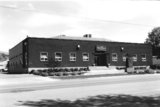
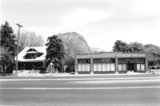
Show United States Department of the Interior National Park Service 0MB No. 1024-0018, NPS Forni National Register of Historic Places Continuation Sheet Section No. 7 Page 3 Capitol Hill Historic District (Boundary Increase), Salt Lake City, Salt Lake County, UT south of the capitol building grounds, is a terraced neighborhood overlooking downtown Salt Lake City; the Marmalade District is a densely packed neighborhood strung along four main diagonal streets that follow the steep west slope of Capitol Hill; and the gently sloping western base of the hill along 200 West where the large ten-acre blocks of the original city plat devised by Brigham Young in 1847 are still visible.4 There are approximately 455 buildings in the original district, of which eighty-two percent are contributing. Commercial and institutional buildings make up about four percent of the number of contributing buildings. Historic apartments and double houses (or duplexes) account for five percent. The vast majority of contributing buildings in the original district are single-family dwellings. Partially because of its proximity to downtown and partially because of a development-resistant topography, the housing stock of the Capitol Hill Historic District, makes up the oldest surviving residential neighborhood in Salt Lake City. The makeup of architectural types and styles also differs according to topography. Arsenal Hill contains few examples of early, vernacular architecture because the upper hill was the first location of the community's arsenal, left bare after a forty-ton explosion of powder in 1876. With its fine views and proximity to the city center, Arsenal Hill became a fashionable neighborhood in the 1890s, and many insubstantial houses were razed for a number of large, high-style, architect-designed residences built for Salt Lake's more prosperous residents. After the completion of the neo-classic State Capitol Building (built between 1912-1916 and listed on the National Register in 1978), the neighborhood continued to fill with a variety of more modest architectural styles [Photograph 7]. The Marmalade neighborhood, so identified by several streets named for fruit trees, includes the greatest number of pioneer-era dwellings in the district. Classical symmetry, plastered adobe brick, and cut stone are the distinguishing characteristics of these homes. Increased development in the 1880s and 1890s and repeated subdivision of the blocks created streetscapes of densely packed houses, many constructed by speculative builders. Brick and frame were used almost equally during this phase of construction. These Victorian-era homes and the bungalows that followed them, were, for the most part, built by local artisans using pattern books; however, the Marmalade area contains a high percentage of traditional house types modified to accommodate the sloping sites (e.g. changes in foundation levels, retaining walls, etc.) Between 1890 and 1910, a number of multi-family units were built in neighborhood. Between the 1930s and 1950s, only a handful of houses were built. After a period of decline in the 1950s through 1970s, the Marmalade has experienced a renaissance of building restoration and limited new construction [Photograph 8]. The housing stock in the 200 West neighborhood is similar to what is found in the Marmalade area, however the buildings are less densely packed and there is an absence of obvious site adaptations. 4 Edward W. Tullidge, The History of Salt Lake City and Its Founders, (Salt Lake City, Utah: Edward W. Tullidge, Publisher and Proprietor, 1880), 47. This concept was in turn based on the "City of Zion" plat originated by LDS Church founder Joseph Smith for laying out the city of Nauvoo, Illinois. |