| OCR Text |
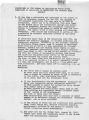
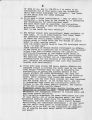
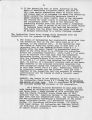
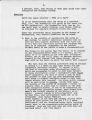
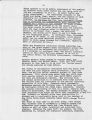
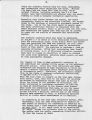
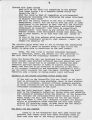
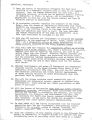
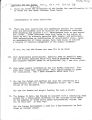
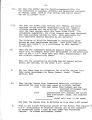
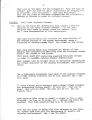
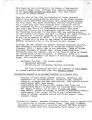
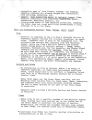
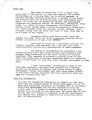
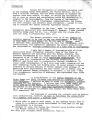
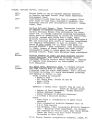
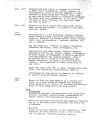
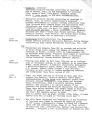
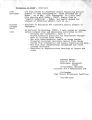
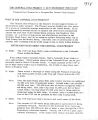
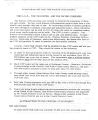
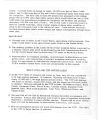
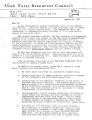
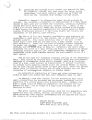
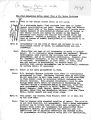
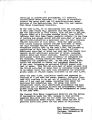
Show rtlf The Four Dangerous Myths About Utah & Its Water Problems Myth 1:$Utah is the second driest state in the union. On a statewide basis, Utah recieves less than 15 inches annual precipitation per year. However, along the Wasatch Front, where most of the dense populations of people occur, annual amounts of precipitation average near 20 inches on the valley floors and nearly 60 inches in the Wasatch Mountains that supply the valleys with stream flows and groundwater* Generally speaking, an area that recieves over 40 inches of annual precipitation is considered to be water rich. Myth 2: Groundwater (in the form of wells and springs) is not a significant source of water, in unpredictable and nonrenewable. Fact: Ninty-five per cent of all freshwater on earth is groundwater. It is constantly being renewed and replaced. Natural hydrological laws control the occurence and movement of groundwater, and it is therefore predictable. . However, like all renewable resources, it can be removed faster than it is replaced. Groundwater, in most cases, is clean, pure and not subject to evaporation, as surface water is. Aquifers that contain groundwater can be artifically recharged by surface water, if necessary. Myth 3: There is not much groundwater in Utah. Fact: U.S. Geologic Surveys indicate that there is considerable groundwater in Utah. Estimates indicate than an additional 40,000 acre-feet in Salt Lake County and 160,000 acre-feet in Utah County could be developed without exceeding the natural recharge. Even greater withdrawals could be made during water short years, by artifically recharging the .aquifers during a subsequent wet yr.In addition, there are vast groundwater deposits in Cache, Weber, Tooele, Cedar, Heber, Sanpete, Juab, Sevier, Beaver, Pavant, Fremont, Parowan, Cedar City and Enterprise valleys; plus the Uinta Basin, Sevier Des«rt and many other areas. Myth 4: Utah needs the Central Utah Project (CUP) or it will dry up and blow away. Fact: Utah is blessed with abundant supplies of water. The problem is not with scarcity, but management. Utahfs water management problems can be broken down into eight neat categories: (1) archaic water laws; (2) inadequate and understaffed State Engineers office; (3) inefficent and wasteful use; (4) inefficient use of existing reservoirs and streams flows; (5) groundwater drilling permits being held for speculation, |