| OCR Text |
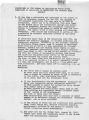
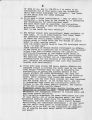
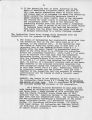
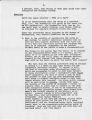
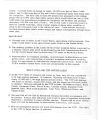
Show 3. Opportunities for water conservation in the agricultural sector are abundant. Irrigation - the largest user of water for all functional water uses - amounts to over 80% of the consumptive use. Estimated water savings obtainable through im - proved efficiencies in irrigation management range between 20 - 50%. Recommended reforms include (1) (1) proper scheduling of irrigation, (2) preparation of good drainage, (3) on-farm reuse of water, (4) use of additional sprinkler and drip irrigation, (5) raising less water intensive crops. gallons 1. a slow steady dnp (100 drops a minute) 2. a fast dnp 3. a small stream 4. a large stream 350 about 600 2000-2700 4600 Utah's water problem is not one of lack of water; it is one of inefficient use of water which is readily available! And within river drainages! Other Critical Issues to be Answered The CUP does not meet current water needs of the State in the areas of the State where water is needed today. Major fossil fuel resources - oil shale, tar sands, coal - are located in northeast Utah. Development of energy here requires water-lots of it - yet the plan of CUP is to transport 136,000 acre-feet of water out of this Upper Colorado River region and transport it to western Utah - where it isn't needed! $ $ $ $ $ $ Cost overuns from problems of geologic i n s t a b i l i t y , post construction s e t t l i n g, underground water saturation continue to increase anticipated costs. $3,000,000 down the line - a mole is s t i l l stuck in the Upper Stillwater diversion tunnel. Water problems have delayed the Vat and Hades Tunnels. Most projects have problems $ $ $ $ $ $ The Central Utah Water Conservancy District board members, who are appointed by district judges, and are not elected, tax the public for CUP repayment. - TAXATION WITHOUT REPRESENTATION - The CUP has not met, is not meeting water needs of the Ute Indian Tribe on the Uintah and Ouray Reservation. The Tribe deferred use of 60,000,000 acre-feet of their water until the year 2005 (1) for purposes of non-Indian development in the Salt Lake Valley, (2) in order to justify economic feasibility for construction of the Bonneville Unit. Compensating projects in the Deferral Agreement between the Utes, the CUWCD, and Department of Interior have not been completed, with one or two exceptions. These were to be developed concurrently with non-Indian projects. Even when completed, CUP projects will not satisfy Indian water requirements for livelihood on the Reservation. |