| OCR Text |
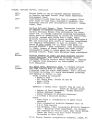
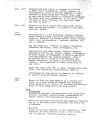
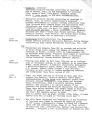
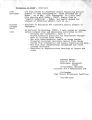
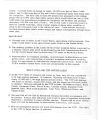
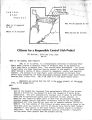
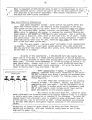
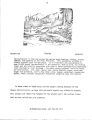
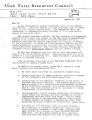
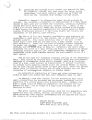
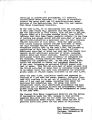
Show -5- is taking place on a mountain range having outstanding natural features providing habitat for a great variety of western wildlife. Free flowing streams, adjacent meadows, and forest cover nearby in successions of stream drainages, is the unique and irreplaceable virtue of the Uinta Range. There is nothing else like this anywhere. The Uinta Range is a production center for wildlife and provides enjoyment tied in with this. Every stream drainage here, having a natural bowl along a stream, or a Canyon on which to anchor walls of a dam - when dammed and backed up by a body of water - loses all the wildlife resources producible in that area of wild streams, riparian vegetation, floodnlain development, foothill grass-forb-sagebrush-shrub vegetation, forest, talus and cliff habitat. In species existing in such habitat sites on the Uintas, we are talking about the following which will be eliminated when their habitat goes: deer, elk, moose, some cougar, bear, fox, coyote, fisher, pine marten, muskrat, beaver,* the rare wolverine, otter and Canada lynx; sage and forest grouse.and other Upland Game birds, raptors waterfowl, shorebirds, songbirds, as well as the fish associated with wild streams,and fishing in these. Where an 8 mile cement canal is proposed, with dimensions of 16 feet deep by 30 feet wide, which will cut directly across range required by deer and elk - fencing, tunnels and bridges are no adequate answer for their migration in that part of the Uinta Mountain Range country. To date, the Bureau of Reclamation has written off wildlife and esthetic values as something mitigatable - without mitigating them. Today, wildlife habitat is not available just anywhere. Wildlife cannot move over because areas they might move into are already occupied at optimum levels. Cost/benefit/^5-5 figures for the construction of dams and reservoirs must include the real values placed on wildlife and recreation resources today - their monetary and esthetic worth to the public. Such values being developed by Resource Economists, based on the renewability of such resources, year after year after year, are astronomical. To date, the Bureau of Reclamation has written off wildlife and esthetic values on a piece meal basis. The accumulated loss of specific habitat for specific wildlife species must include not just existing numbers being displaced, but the long-term productivity of the species which would have taken place had the species continued to exist in that habitat. The exponential capacity of habitat, in total, on the Uinta Range, and its reverse when destroyed, must be considered in the same light as the synergistic impacts of water developments on the salinity of the Colorado River. gi |