| OCR Text |
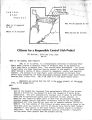
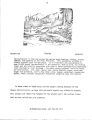
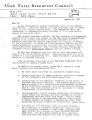
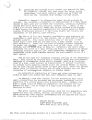
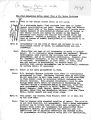
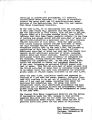
Show QUESTIONS PRESENTED VERBALLY AT BUREAU OF RECLAMATION HEARINGS ON THE PROGRAMMATIC ENVIRONMENTAL IMPACT STATEMENT ON THE COLORADO RIVER STORAGE PROJECT: Vernal, Utah, October 11, IS77 1. Will the Programmatic EIS bring about a complete readdressing of the Central Utah Project in view of the changed demography today in Utah: livelihoods, recreation demands, potential mineral development on a large scale, and potential mineral development on Indian tribal lands - all in northeast Utah. BACKGROUND: (from research and citizen information) The CUP was initially conceived in 1902, then planned and developed to meet requirements of the Wasatch Front when the preponderance of the Utah population was there. At that time, and until fairly recently, northeast Utah was essentially rural (grazing and agrarian oriented). Today, in this region, there is increasing population growth resulting from mineral development (oil, gas, gilsonite, phosphate ore) and probable large-scale mining in the future (oil shale, tar .sands, coal). And, there is an increasing recreation service industry. There is a high demand for the existing resources for recreation in this region of Utah. This demand comes from local people, from the Wasatch Front, from Wyoming, and from the nation. This demand is for recreation, per se, and for wildlife resources directly related to recreation, i.e., - mountain wilderness (The Uinta Range) - free flowing alpine rivers for fishing and other enjoyment (The Uinta Range) - alpine lakes for fishing and for wilderness enjoyment (The Uinta Range - some 400+ existing there) - river rafting (The Green, the Colorado, the White) - flat water recreation, fishing and boating (Flaming Gorge; Meeks Cabin; Stateline - being constructed; Strawberry; Soldier Creek - constructed but not filled while being reviewed for safety; Current Creek - under construction; as well as reservoirs existing south and southwest of this region - Lake Powell, in uJ *t\ « * otbts* r*re4nfmirs OH ~tkt L0~«f&. JL - wildlife recreation tied in with outstanding habitat areas in this region (The Uinta Range, Brown's Park, Clay Basin and surrounding lands, Dinosaur National Monument - Rocky Mountain Sheep, The Book Cliffs and the State Roadless Area in the Book Cliffs - now being explored for oil and gas, the Green River and Wildlife Refuges attached to it, river floodplain habitat as on the White River.) These habitat areas produce mountain lion, bear, elk, deer, moose, bobcat, Canada lynx, coyote, fisher, pine marten, beaver, muskrat and other fur-bearers, Golden and bald eagles, osprey, Peregrine Falcon, varieties of hawks and owls and Upland Game birds, waterfowl, shorebirds, and songbirds. Antelope and Rocky Mountain Sheep are increasing. Varieties of game and non game fish are produced or planted. .ii-yi, |