| OCR Text |
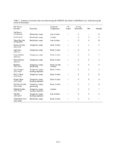
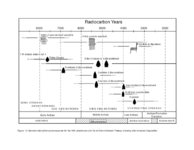
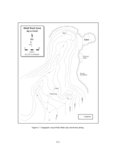
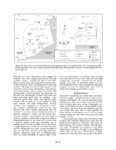
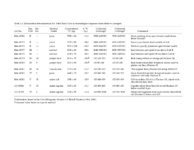
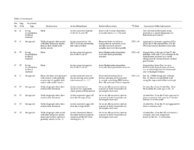
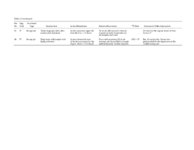
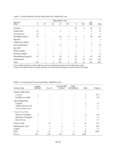
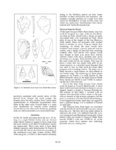
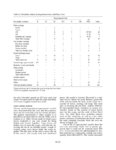
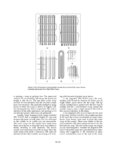
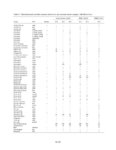
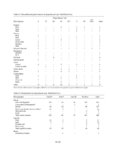
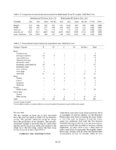
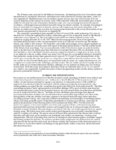
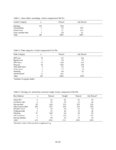
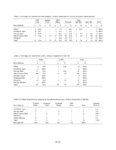
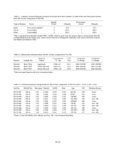
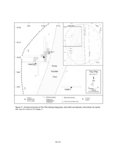
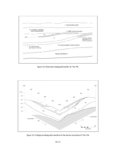
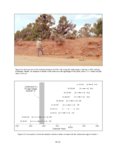
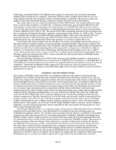
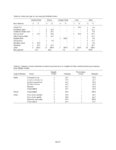
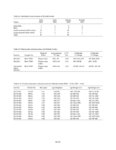
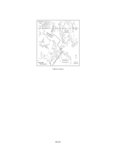
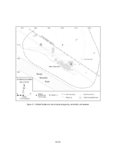
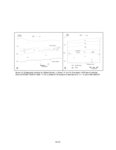
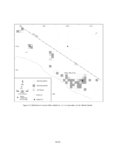
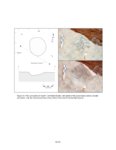
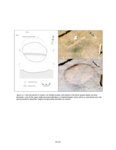
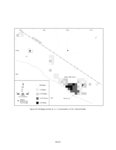
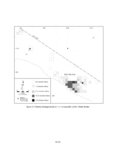
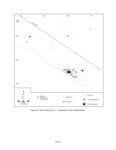
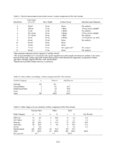
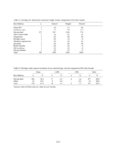
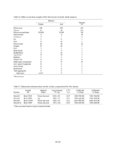
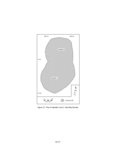
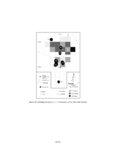
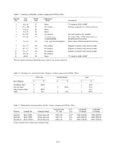
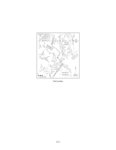
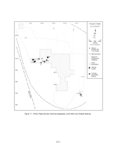
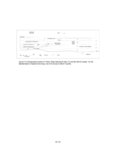
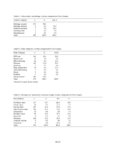
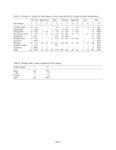
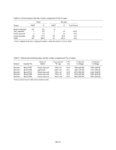
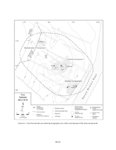
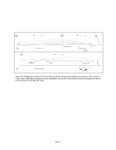
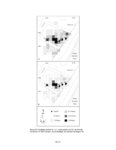
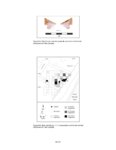
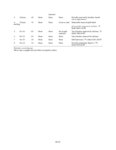
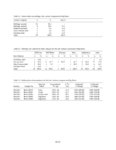
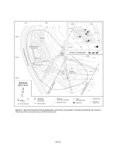
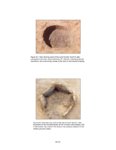
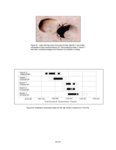
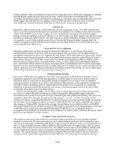
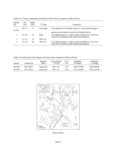
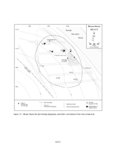
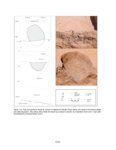
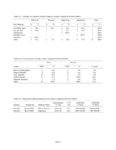
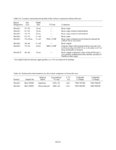
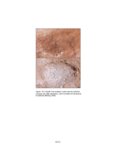
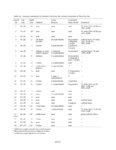
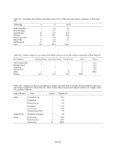
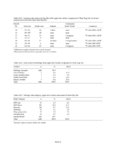
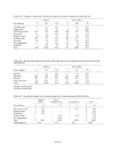
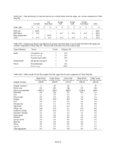
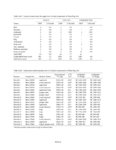
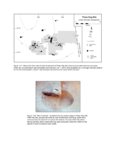
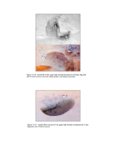
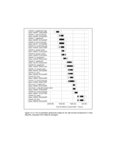
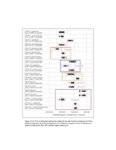
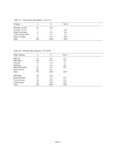
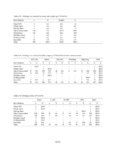
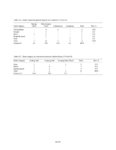
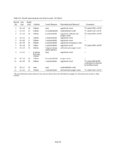
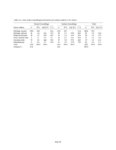
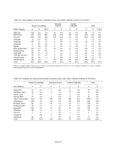
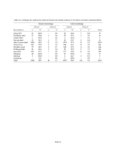
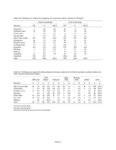
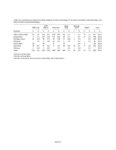
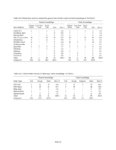
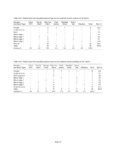
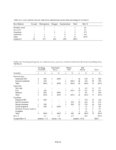
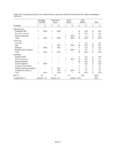
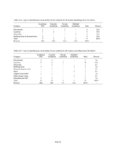
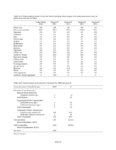
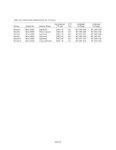
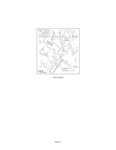
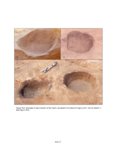
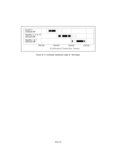
Show As already mentioned, faunal remains occurred in several of the hearths. All of the remains from the hearths are unidentifiable except for a deer medial phalanx, and only a few are burned. Hearth remains are summarized in Table 16.1. RADIOCARBON DATING Excavators collected only wood charcoal for radiocarbon samples because they found no other carbonized plant remains. Upon return to the laboratory and prior to submitting any samples for dating, the heavy and light fractions of flotation samples were examined for more suitable remains that might have less chance for age overestimation. No annual plant portions were observed, a finding subsequently confirmed by the macrobotanical analyst. Specific charcoal samples were therefore selected for dating. The sample from Hearth 13 contained a small twig that might be of saltbush; the macrobotanical analyst also identified carbonized saltbush wood from the flotation remains of this feature. From three other samples (Hearths 1, 3, and 11) we selected sagebrush charcoal for dating purposes under the assumption that this material would provide better dates than wood charcoal (see comparison of wood and sagebrush charcoal dates in the Preceramic Chronology section in Volume V). We decided to date remains from Hearths 1, 3, 11, and 13 because they were widely scattered across the excavation area, from the far northwest edge (Hearth 1) to the far southeast edge (Hearth 13) and points in between (Hearths 3 and 11). These four samples appeared well suited to determining whether the buried cultural layer at the site represented a relatively brief interval of deposition or perhaps many millennia. If these four scattered features were all roughly contemporaneous then it was highly probable that so too were the rest of the features, as well as the associated artifacts and other remains. After obtaining the results from these four samples, two additional samples were processed-sagebrush charcoal from Hearth 7 and wood charcoal from Hearth 2. The Hearth 2 sample was submitted because there was some indication in the field that it might have come from a layer slightly lower than the adjacent Hearth 3 and we wanted to test this proposition. Hearth 7 was part of a group of hearths in the northeast portion of the hand-excavated area, and a date for it could further help confirm the evident contemporaneity among all features. All six samples were analyzed using the AMS technique at the Lawrence Livermore National Laboratory after pretreatment at Beta Analytic. Radiocarbon dates and calibrated age ranges for the samples are presented in Table 16.20. All six samples date from 2910 to 3180 radiocarbon years ago. In a general sense, the dates can be treated as a single group, providing evidence for late Archaic use of the sand-covered slope at Tsé Haal'á. This is an important time period on the Colorado Plateau because domesticates were in use on certain portions of the plateau. Averaging all six dates (2997 ± 16 BP) produces a narrow estimate for when the site was occupied-the temporal range of 1370-1120 cal. BC at two sigma. The six samples are not, however, statistically the same, but significantly different at the 95 percent level (χ2 = 39.3, 5% = 11.1 [df = 5]). The burning of dead wood might account for the date discrepancies because only one of the samples is on a small-diameter twig that is unlikely to greatly overestimate the antiquity of the prehistoric event. Nonetheless, the small twig date of 3060 BP for Hearth 13 is the second-oldest date for the site, exceeded only by the 3180 BP date on wood charcoal from Hearth 2. The younger samples are all on sagebrush charcoal and the twig date is contemporaneous with two of these-the widely separated Hearths 3 and 11 (both 3000 BP). The other two sagebrush charcoal dates are Hearth 1 at 2910 BP at the northwest edge of the site and Hearth 7 at 2890 BP at the northeast edge of the site. The 3180 BP Hearth 2 is at the far northcentral edge of the excavated area and appeared to originate from a layer slightly below the adjacent Hearth 3, dated 3000 BP. These two dates are significantly different at the 95 percent level (χ2 = 7.9, 5% = 3.8 [df = 1]), supporting the field observation that Hearth 2 appeared to be stratigraphically earlier than Hearth 3, but given the material dated for both features we cannot be certain that this result is real (see discussion in Chapter 13 of Volume V). Five of the six dates can be grouped to form two averages: Hearths 3, 11, and 13 at 3023 ± 25 BP (χ2 = 1.4, 5% = 6.0 [df = 2]) and Hearths 1 and 7 at 2903 ± 24 BP (χ2 = 0.2, 5%= 3.8 [df = 1]); Hearth 2 remains ungrouped. Labeling the two groups of hearths with statistically identical dates as contemporaneous does not imply absolute contemporaneity in a behavioral sense. It is quite possible than none of the hearths were ever in use at the same time. Indeed, years and even decades could have separated the use of these features. Given the nature of the artifact assemblage (its abundance and diversity) plus the overall size of the site, we have no doubt that this location was used repeatedly. A plot of the two averages plus the Hearth 2 date is shown in Figure 16.10. The calibrated two-sigma date range for both averages and Hearth 2 provides one estimate of the span of time represented by the remains at Tsé Haal'á -between 1530 and 1000 cal. BC. A more conservative approach would be to treat each assay as an II.16.14 |