| OCR Text |
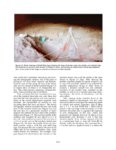
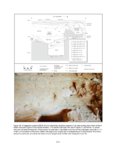
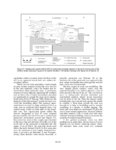
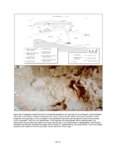
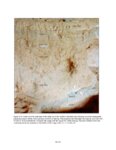
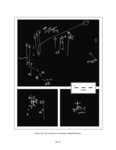
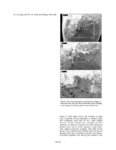
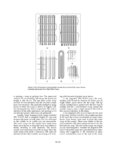
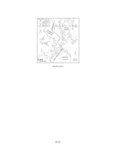
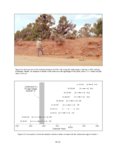
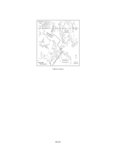
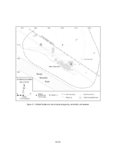
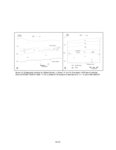
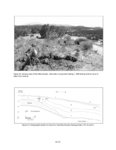
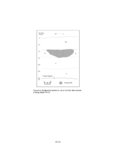
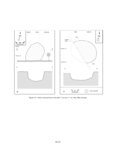
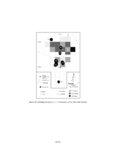
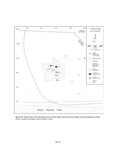
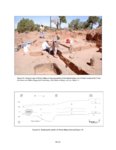
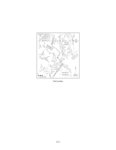
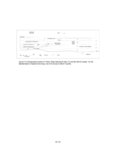
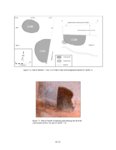
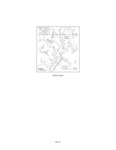
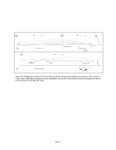
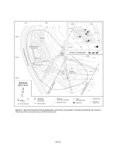
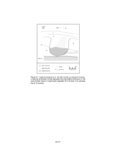
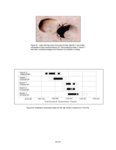
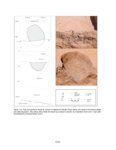
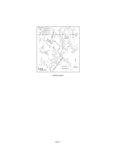
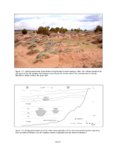
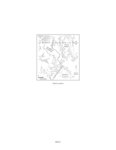
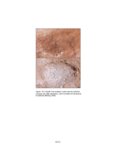
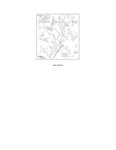
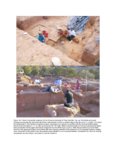
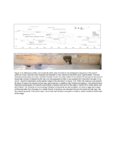
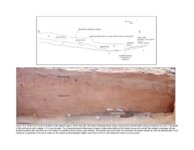
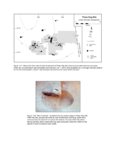
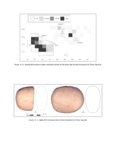
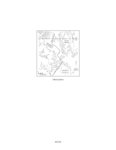
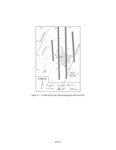
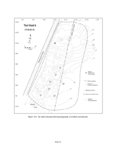
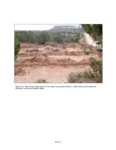
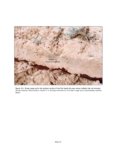
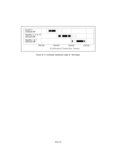
Show Figure 2.7. Stratigraphic section (NE to SW) of undisturbed deposits exposed in the south working face of the northern looted area (see Figure 2.5 for section location). This section overlaps with Figure 2.6 at Feature 15. ing feather artifact occurred below the floor of this cist, in an apparent rodent hole (see artifact descriptions below). These two test units provided a small sample of early Archaic remains within the cave, but not of the later materials, which the looters had removed from these particular areas. A peninsular remnant of intact deposits separating the southern and northern cells of looter disturbance provided an opportunity to sample the more recent depositional units (Units IV through VIII). Moreover, the deposits of this thin remnant would not have survived the backfilling effort. This remnant measured about 2 m long, 1 m high, and from 0.5 to 1 m wide, and we removed intact deposits from it by natural strata visible on both sides of the broadside cuts. Two organic-rich lenses within the stratum designated as Unit IV were assigned feature numbers (16 and 17) to aid in vertical and horizontal provenience control (see Figure 2.7). Excavation for most of this sample area extended to the top of the rock fall layer (Unit III), but at the south end of the peninsula it extended into the upper 10 cm of Unit I, the culturally sterile sand below the early Archaic Unit II. In this same area were the remnants of two largely destroyed features, a cist and a pit (Features 18 and 24 respectively); these features were totally excavated. A partially preserved cist (Feature 23) at the northern end of the peninsula was exposed at the level where it extended down through the rock fall layer, but it was not excavated. The final aspect of work was backfilling. The crew draped plastic window screen over the exposed broadside cuts, held in place by a line of rocks placed at the top of the cut. This was done to serve as demarcation between disturbed and undisturbed portions should future excavation ever be done at the site. Then the massive looter backdirt piles were moved back against the profile to stabilize it. Rock from outside the cave was brought in to help in backfilling and to provide something of a barrier to further digging. The looter pits were filled and recontoured to give the cave a more natural appearance. Unusual artifacts and other remains such as whole corn cobs were collected during backfilling; these account for the quantity of nonprovenienced remains. A few general comments about our field methods are in order here. All excavation of intact deposits was by trowel, following natural strata. All sediment from such work was screened II.2.10 |