| OCR Text |
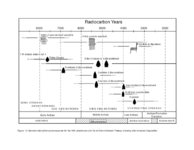
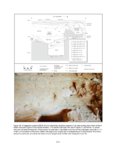
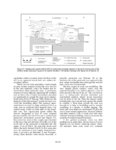
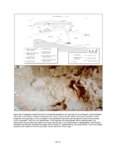
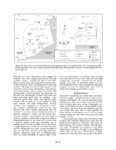
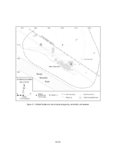
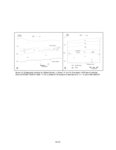
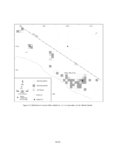
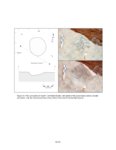
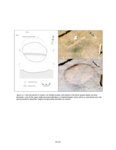
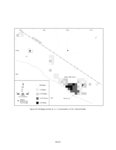
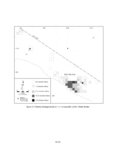
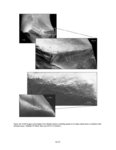
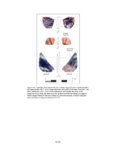
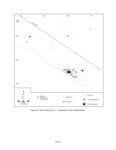
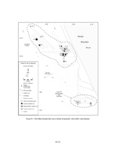
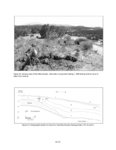
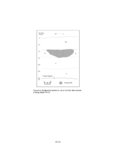
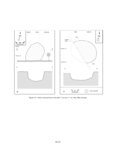
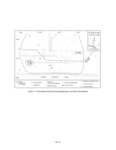
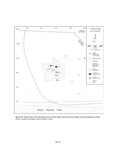
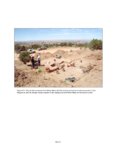
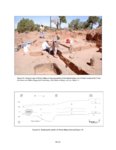
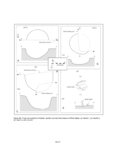
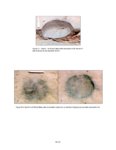
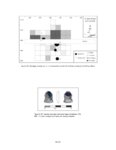
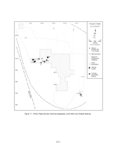
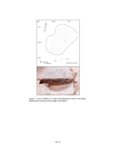
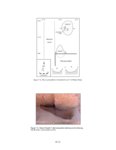
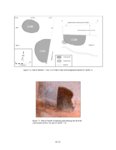
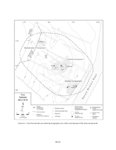
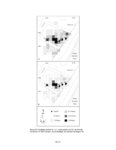
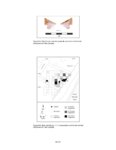
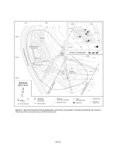
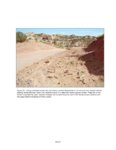
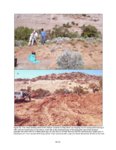
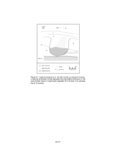
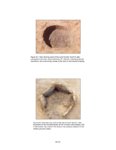
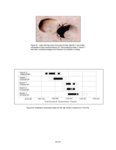
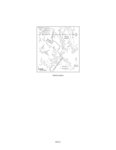
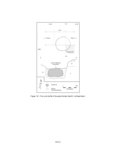
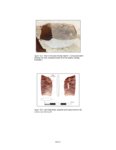
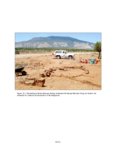
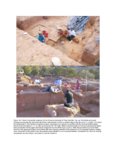
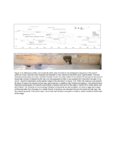
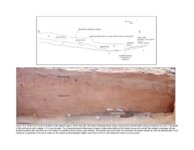
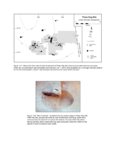
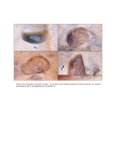
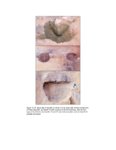
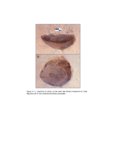
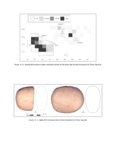
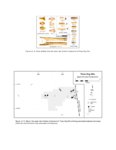
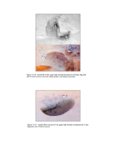
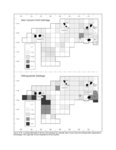
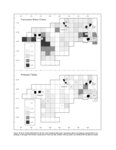
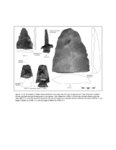
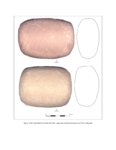
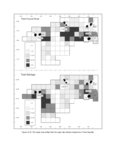
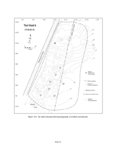
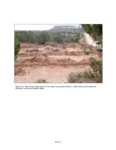
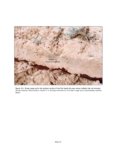
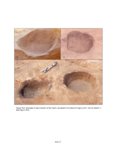
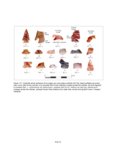
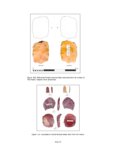
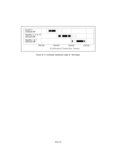
Show 2.16. 2.17. 2.18. 2.19. 2.20. 3.1. 3.2. 3.3. 3.4. 3.5. 4.1. 4.2. 4.3. 4.4. 4.5. 4.6. 4.7. 4.8. 4.9. 4.10. 5.1. 5.2. Scanning electron microscope images of one end of the horn rod from Atlatl Rock Cave showing a tiny fragment of silica pushed down into the horn. Open-twined sandal from Atlatl Rock Cave. Schematic of construction details for several of the open-twined sandals recovered from Atlatl Rock Cave. Well-preserved feather object from Atlatl Rock Cave. Comparison of maize kernels from Basketmaker III and Basketmaker II contexts: top row, kernels from the Basketmaker III cist Feature 18; bottom row, kernels from the Basketmaker II pit Feature 24. Archaic component of The Pits showing topography, work effort and features; inset shows the overall site map from Volume III, Chapter 3. Schematic stratigraphic section for The Pits. Orthogonal stratigraphic sections for the Archaic component of The Pits. General view of the Archaic component of The Pits during the initial phase of testing in 1991, looking southwest. Hearth 1 is exposed in section in the road cut at the right edge of the photo, with a 1 x 1 m test unit just west of this cut. Comparison of how the obsidian hydration dates compare with the radiocarbon age of Hearth 1. Hólahéi Scatter site plan showing topography, work effort, and features. Stratigraphic sections for Hólahéi Scatter: A, Strata I-V and IX-XI exposed in SW face of backhoe trench at N75.80-78.25/E113.80-117.20; B, Strata VI-XI exposed in west face of a 1 x 1 m unit at N84-85/E104. Distribution of burned lithic artifacts by 1 x 1 m excavation unit for Hólahéi Scatter. Plan and section of Hearth 1 at Hólahéi Scatter, with photos of the same feature before and after excavation; note the charcoal staining on the surface to the west of the identified feature. Plan and section of Hearth 2 at Hólahéi Scatter, with photos of the same feature before and after excavation; prior to the upper photo several centimeters of charcoal-stained matrix within an amorphous area had been removed to reveal the roughly circular outline identified as a hearth. Debitage density by 1 x 1 m excavation unit for Hólahéi Scatter. Obsidian debitage density by 1 x 1 m excavation unit for Hólahéi Scatter. SEM images of two flakes from Hólahéi Scatter exhibiting abrasion on flake arrises that is consistent with transport wear. Artifacts PN 522.2 (top) and PN 517.2 (bottom). Projectile point fragments and a biface fragment from Hólahéi Scatter: (a) basal portion (20.1.1) of a large stemmed dart point of Honaker Trail chert; (b) point midsection (18.1.1) of Chinle chalcedony with impact resulting in the detachment of a flute-like flake from the tip that overshot the biface; (c) stage 2 biface (edged flake) of obsidian broken by perverse fracture, exhibits transport wear as shown in Figure 4.8 (item 517.2.2). Bone density by 1 x 1 m excavation unit for Hólahéi Scatter. 5.3. 5.4. 5.5. 5.6. 5.7. 5.8. Pee Wee Grande site plan showing topography, work effort, and features. General view of Pee Wee Grande; photo taken during extent testing in 1992 looking north at Locus A, taken from Locus B. Stratigraphic section of Locus B at Pee Wee Grande showing Strata I-VII, IX, and X. Stratigraphic section of Locus A at Pee Wee Grande showing Strata VIII-XI. Plans and sections of Hearths 7 (a) and 11 (b), Pee Wee Grande. Hearths 8 and 9 of Pee Wee Grande after excavation. Plan of Hearths 4 and 5, Pee Wee Grande. Debitage density by 1 x 1 m excavation unit for Pee Wee Grande. 6.1. Windy Mesa site plan showing topography, work effort, and features. vi |