| OCR Text |
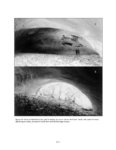
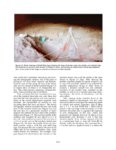
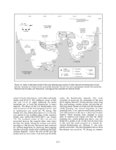
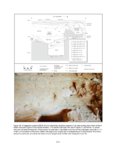
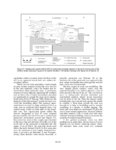
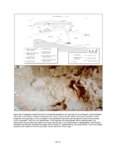
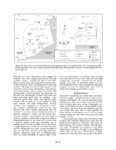
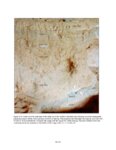
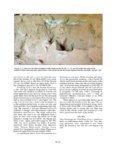
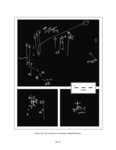
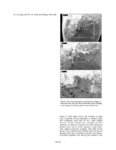
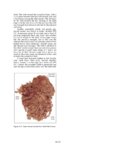
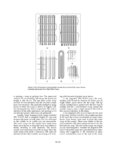
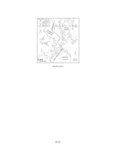
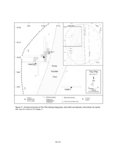
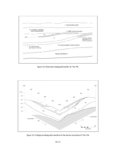
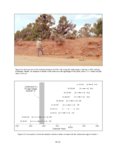
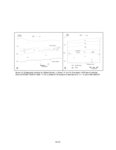
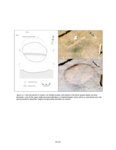
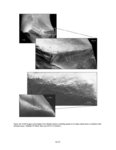
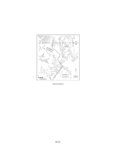
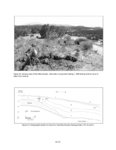
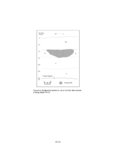
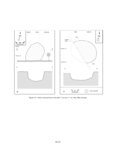
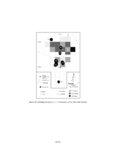
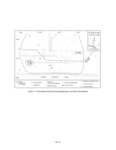
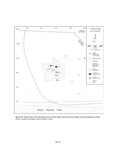
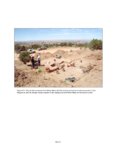
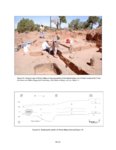
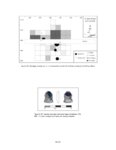
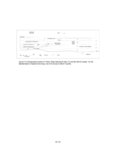
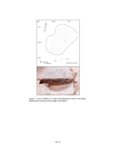
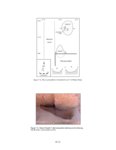
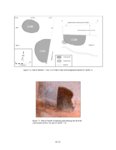
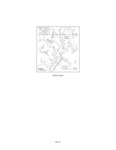
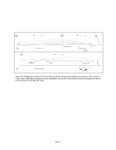
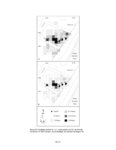
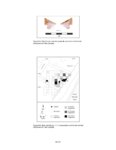
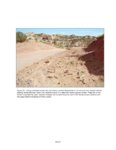
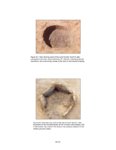
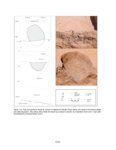
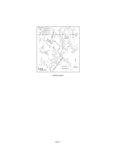
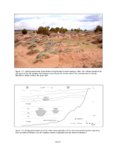
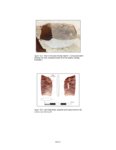
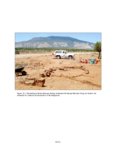
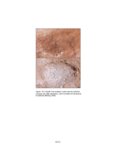
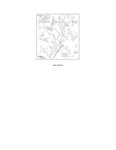
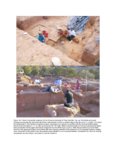
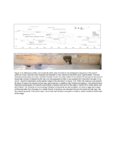
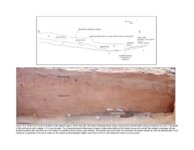
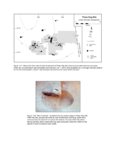
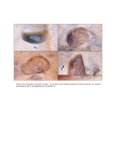
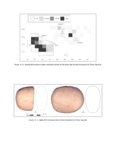
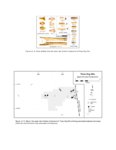
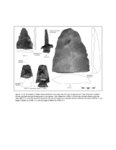
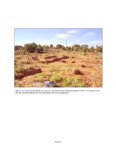
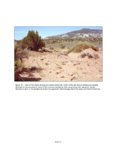
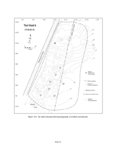
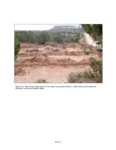
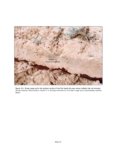
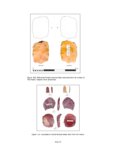
Show Figure 2.9. Test unit in the southern looted area showing the surface of the early Archaic Unit II with grinding slabs, sandal fragments, and other remains as well as the profile along the east side of the test unit that includes the face of the looter cut. through 1/8" mesh. Specimens were bagged by material class and assigned provenience and bag numbers using a running list kept in the field. Item numbers were later assigned to most remains in the laboratory; these were sequential within bag number. The paper record included general notes about the overall work and findings, with featureand strata-specific notes on logs and forms. The photographic record included documentation of features and stratigraphic sections with color and black-and-white print film. In addition, color Polaroid prints were made and marked upon directly with ink pens as a quick method to help track feature and strata designations. Feature numbers were assigned in a running list to obvious cultural constructions such as cists and hearths and other cultural phenomena that we wished to document; feature designations help to provide additional vertical and horizontal provenience control. A running list was also kept of stratum numbers, which were assigned to distinct depositional layers. If we could not visually track a specific deposit from one broadside cut to another across the site, but there was no doubt that a single depositional event was involved, then one stratum designation was used. A good example of this was the rock fall layer that separated early Archaic deposition from that of Basketmakers. This was easily identified no matter where in the cave we encountered it. Lacking visual linkage and when there was no certain basis for assuming stratigraphic continuity, separate stratum designations were used. As discussed below, the stratum designations have been dropped for reporting purposes in favor of depositional units, each of which may include several distinct strata. STRATIGRAPHY The looters' broadside cuts within the cave deposits were roughly 1 m high with near-vertical working faces (see Figure 2.4). By removing loose looter backdirt from the base of these faces, the NNAD crew obtained clear views of site stratigraphy in a north-south direction across a major portion of the cave width, and in an east-west direction near the cave center. We were able to draw profiles for three sections of the looter cuts as well as small sections where two test units were excavated (see Figures 2.5-2.8). We grouped the various layers observed in the sections into coherent depositional units that are relatively homogeneous internally with respect to their makeup, but contrast sharply with the adjacent units. Numbered from bottom to top, these depositional units are thought to be continuous across most of the cave. Subdivisions of these major units were observed and noted on the strati- II.2.12 |