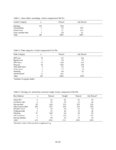
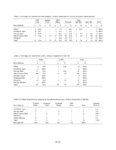
| OCR Text |
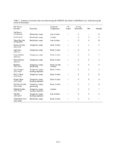
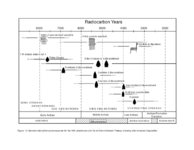
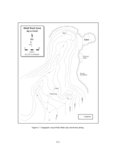
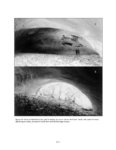
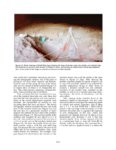
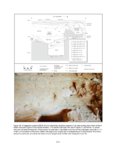
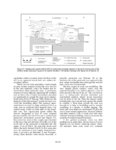
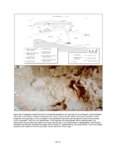
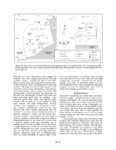
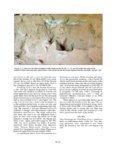
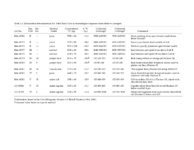
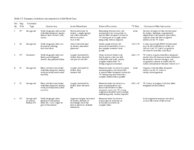
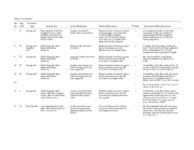
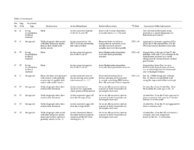
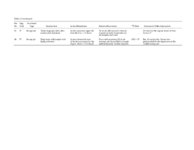
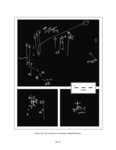
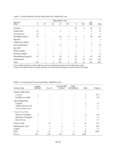
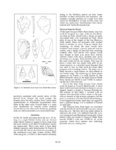
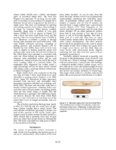
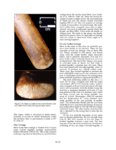
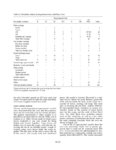
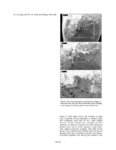
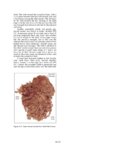
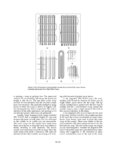
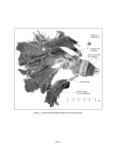
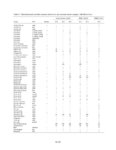
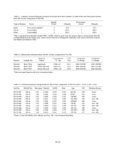
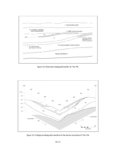
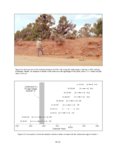
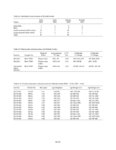
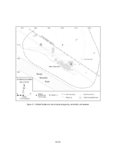
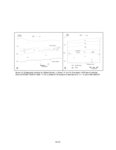
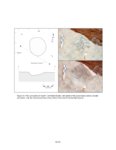
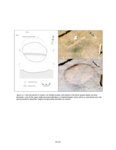
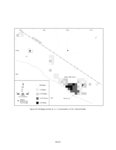
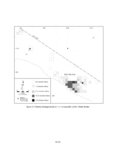
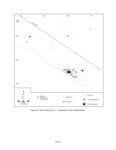
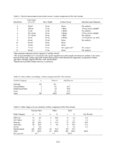
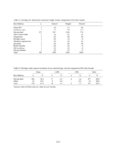
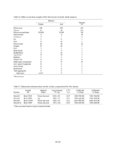
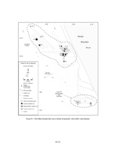
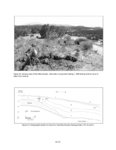
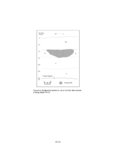
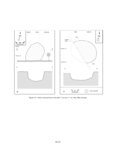
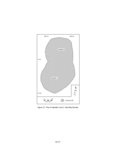
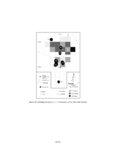
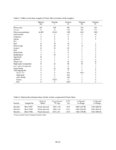
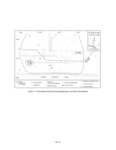
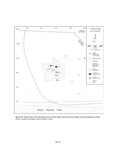
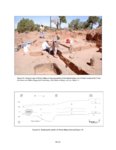
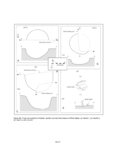
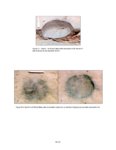
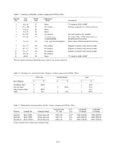
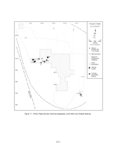
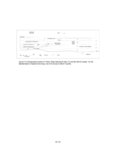
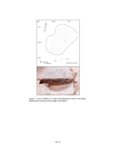
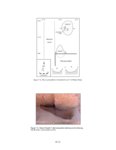
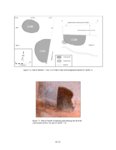
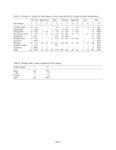
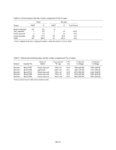
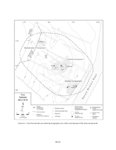
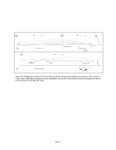
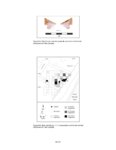
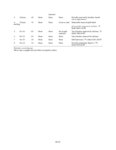
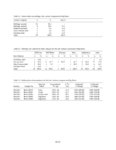
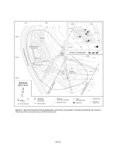
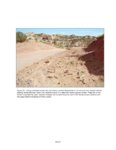
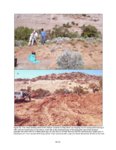
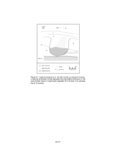
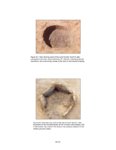
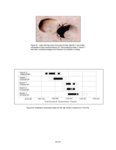
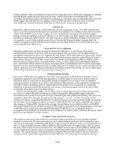
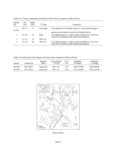
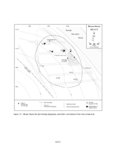
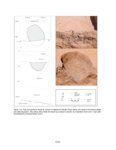
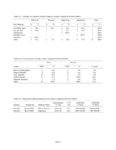
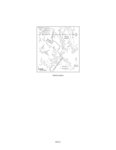
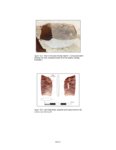
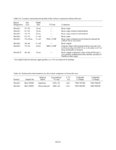
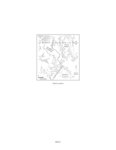
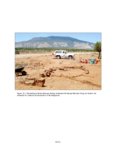
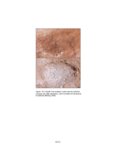
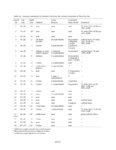
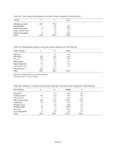
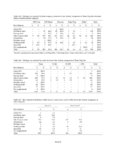
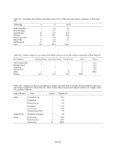
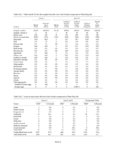
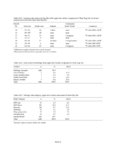
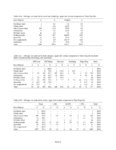
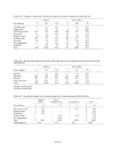
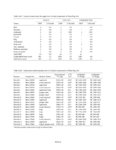
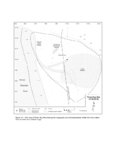
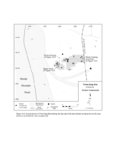
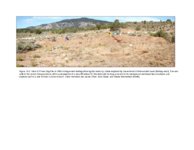
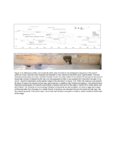
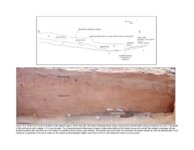
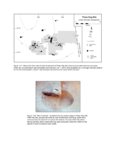
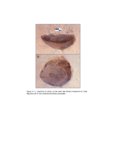
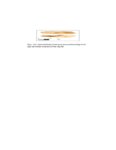
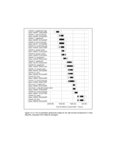
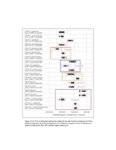
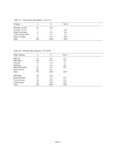
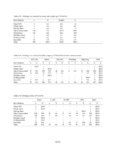
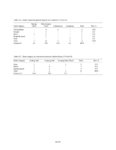
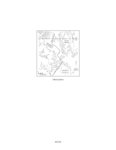
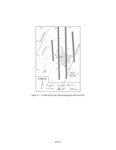
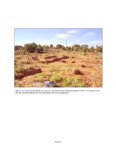
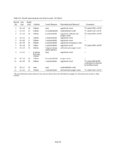
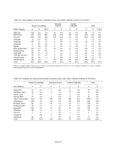
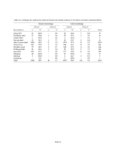
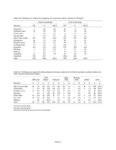
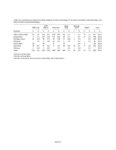
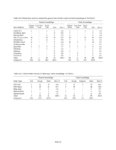
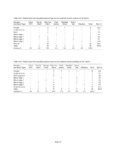
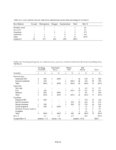
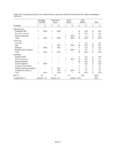
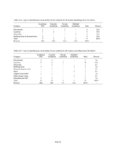
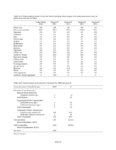
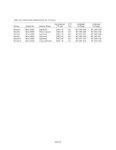
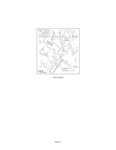
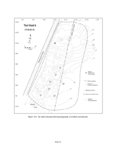
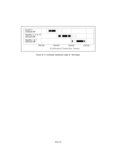
Show loose piece of worked wood (PN 1.1) found in the looter backdirt-but neither sample returned a date (Jeffery Dean, personal communication 1994). Twelve radiocarbon dates provide chronometric control over the history of site use and its depositional sequence. (The provenience of these dates was discussed previously.) Limited funds meant that relatively few radiocarbon dates could be processed, given what appeared to be a long history of deposit formation. The dates are on organic samples that should not overestimate the age of the associated prehistoric event and that had a clear relationship to the stratigraphy drawn in profiles. In this case, the materials dated were yucca leaves, oak leaves, grass stems, maize cobs, and juniper bark. In all but one case (a sandal from looter backdirt), the samples had good provenience and represent construction events or refuse clearly associated with the formation of a depositional unit or the use of a particular feature. Six of the dated samples are from the stratigraphic sequence exposed in the peninsula remnant that separates the two large areas of looting (see Figure 2.7), three are from the stratigraphic sequence exposed in the northern looted area (see Figure 2.6), and two came from largely destroyed storage cists (Features 3 and 5). The twelfth sample was an open-twined sandal recovered from looter backdirt during initial discovery of the criminal activity. This item was dated before the proposal for studying the site had been submitted; indeed this date was run to help bolster our case that the site was worthy of preservation efforts. The style of construction alone suggested great antiquity and there is no doubt that this item originated within Unit II. Another open-twined sandal (PN 11.1) was also radiocarbon dated, this one recovered from intact deposits of Unit II where a test unit was placed. The Unit II deposits in this portion of the cave were quite damp; thus the sandal was so fragile that recovering it intact would have been impossible. It was photographed and drawn in place, and then the entire item was collected as a radiocarbon sample. In two cases, the dated organics came from fiber-tempered mortar used in cist construction: grass from the wall mortar of Feature 3 and juniper bark from the floor mortar of Feature 5. The mortar was soaked and disaggregated in water to float the organic fraction, which was skimmed off and dried. This material was then sorted to clean the samples of all organics except for the plant material being dated. These samples provide an age estimate for feature construction, with the realization that the use-life of such features may have been longer than the life of the builders. Another of the samples was juniper bark from the bottom of an otherwise unlined storage pit (Feature 24). This pit extended down through the Unit III rock spall layer and the early Archaic Unit II into the underlying sterile sand of Unit I. Because they lack a solid lining, these types of features presumably have relatively short use-lives; therefore, the bark probably dates both pit construction and use. Four dates are on maize cobs, three of which came from the floor fill of cists. The dated cob from the Feature 15 cist (PN 22.3) occurred below a layer of roof fall. The dated cob fragments from the Feature 2 cist (PN 18.2.2) were within a layer of corn cobs, some of which were eight row, that appeared to be part of collapsed roof material that included a beam. The cob from the Feature 18 cist was mixed with a mass of turkey feces and some feathers, indicating that this feature had served as a turkey pen, though perhaps originally it was for storage. Found with the feces on the floor of the cist were portions of a seed jar of Obelisk Utility Ware, an arrow point, and a common bean, all the more remarkable given the small size of the cist remnant left by the looters. FEATURES Excavators assigned 24 feature numbers during the limited sampling and backfilling of Atlatl Rock Cave; Table 2.2 presents descriptive information about each feature. Storage cists were most numerous; the other features are a storage pit, two superimposed hearths, and a possible structure. Three of the assigned numbers (Features 14, 16, and 17) were not cultural constructions but living accumulations. These were maintained and listed in Table 2.2 because they help refine vertical and horizontal provenience for excavated materials. The organic lenses of Features 16 and 17 in particular were important for providing some natural vertical separation to what otherwise would have been an undifferentiated accumulation of Unit IV. We documented 21 storage cists in the area of the cave cleared of looter backdirt, though one of these (Feature 6) may have been part of a structure (Feature 3). Three of the 21 cists were part of a complex of upright slabs partially exposed at the edge of the looter cut (see Figure 2.11) and identified by a single feature number (Feature 8). After mapping and studying these uprights, it seemed that a minimum of three separate features accounted for the mass of slabs, but because this was only an estimate, the single feature number was retained with letters used for differentiation. None of the 21 cists contained obvious primary contents, although several had limited exposures, so this is a tentative assessment. All of the storage cists were constructed of upright slabs, and one (Feature 2) had horizontal II.2.22 |