| OCR Text |
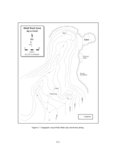
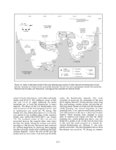
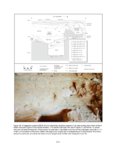
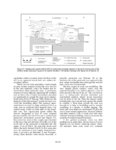
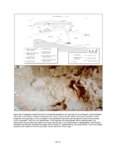
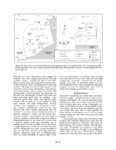
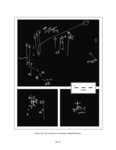
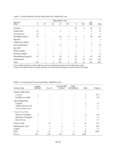
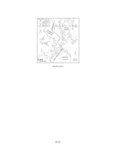
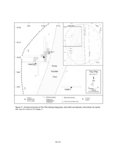
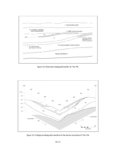
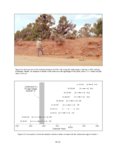
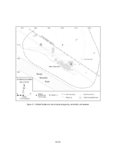
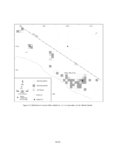
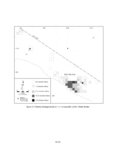
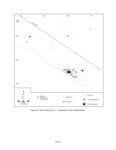
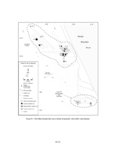
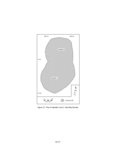
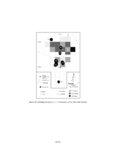
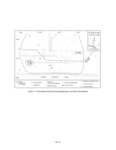
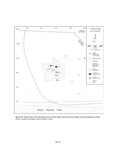
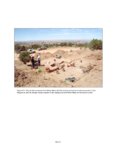
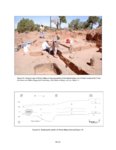
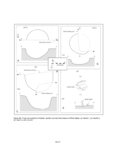
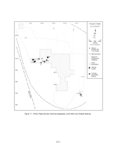
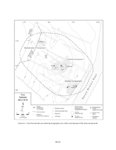
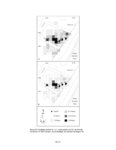
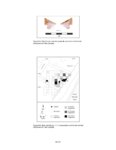
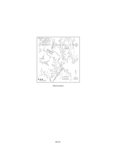
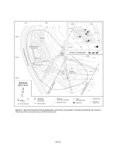
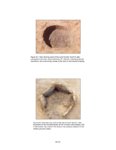
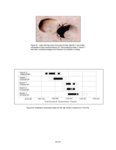
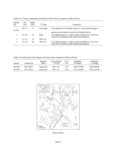
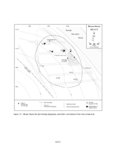
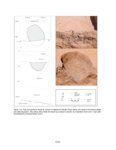
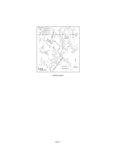
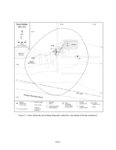
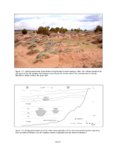
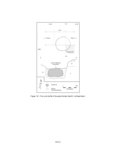
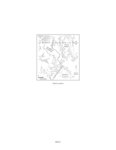
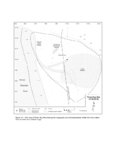
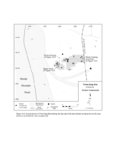
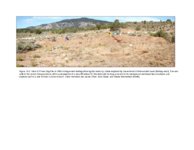
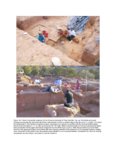
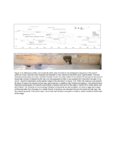
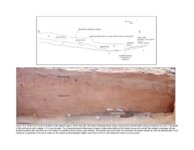
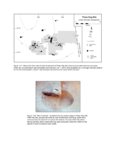
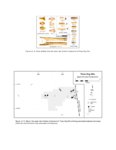
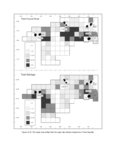
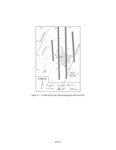
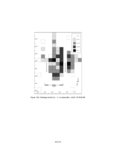
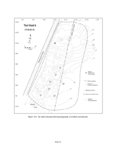
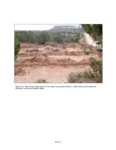
Show remains exposed on the surface, they considered the site Register eligible and proposed extent testing in advance of data recovery. They described the site as a multicomponent temporary habitation or limited activity camp, with both Puebloan and Archaic or Basketmaker II remains. Extent testing in the fall of 1993 with extensive backhoe trenching and limited hand excavation revealed a probable Archaic component containing basin hearths and flaked lithics variably buried by up to 1 m of sterile sand (Huffman et al. 1995). Stratigraphically above this component but largely horizontally separated from it was a Puebloan component consisting of a probable burned structure, a slab-lined hearth, and scattered artifacts. A 1 x 2 m unit excavated in the structure revealed a burned post, and an outline showing that the structure lay almost entirely outside the ROW. The house was subsequently removed from proposed data recovery at the request of Hopi tribal members. A slight ROW reduction in the area of the house should ensure the protection of this feature. Data recovery confirmed the presence of both Archaic and Puebloan components, but also added a Basketmaker II component. Excavations revealed a small trash midden immediately east of the burned structure that had been avoided by ROW reduction. The remains recovered from the midden and the lack of ceramics hinted at a Basketmaker II period occupancy. Radiocarbon dating of a burned post from the structure, the one exposed during extent testing, confirmed the Basketmaker II temporal assignment. Unfortunately, no further excavation of the house was possible. EXCAVATION STRATEGY A complete account of the excavation strategy for all three components is presented here, rather than splitting up the details between the three temporal volumes. The first aspect of data recovery at Tres Campos was cleaning out several long sections of the extent testing backhoe trenches. This was done both to reacquaint excavators with site stratigraphy and to relocate buried features exposed in the trenches. This was followed by laying out a sample frame 356 sq m in size over the Puebloan component in order to excavate and fine screen (1/8" mesh) a 10 percent simple random sample of the cultural stratum using 2 x 2 m recovery units (i.e., nine 2 x 2s), a task designed to recover small remains and to search for additional Puebloan features. While excavating the sample units it became apparent that the sampling strategy was inappropriate, both because much of the sample frame included areas where cultural deposits were lacking due to deflation or nondeposition, and because some of the remains identified as Puebloan belonged to an unrecognized and probable Basketmaker II component. Therefore, the simple random sample was dropped in favor of focused and intensive sampling of the two areas with intact deposits and features of the Puebloan and Basketmaker II components. The Puebloan component occupied the top of a small sand dune near the center of the site and in the center of the ROW (the area around Structure 2 in Figure 8.1). The Puebloan cultural stratum (Stratum II) was naturally bounded on the east, south, and west sides of this dune by deflation-the stratum was absent and artifacts rested as a lag deposit. The stratum became progressively buried by recent eolian sand to the north, but it pinched out quite rapidly, reflecting the limits of cultural deposition. The extent of the in situ and eroded Puebloan remains indicates that the original size of this component was probably no more than 24 m east-west by 20 m north-south (roughly the area from N90-N110/E90-E114). The preserved portion of this component that we excavated measured about 40 sq m in size. All of the sediment from this area was screened, with at least half of it put through 1/8" mesh. The few Puebloan features exposed during the process of horizontal exposure were excavated according to standard procedure. These features consisted of a small structure, a slab-lined hearth, and a pit; traces of a possible ramada were also uncovered. The Basketmaker II component occurred near the western edge of the ROW; the two features known to be part of this component consisted of a burned shallow pithouse and a small midden. The house, which barely lay in the ROW, could not be excavated because it had been removed from the area of effect at the request of the Hopi tribe. Knowledge of this feature comes from a 1 x 2 m area opened during extent testing; from this we recovered several flakes and a burned post. The midden lay directly east of the house, concentrated in an area about 5 x 6 m in size (N116-121/E82-88). Most of this area (27 sq m) was excavated and all sediment was screened with 1/8" mesh. Another excavated feature that may belong to the Basketmaker component is a slab-lined hearth located about halfway between the Basketmaker and Puebloan components. Exposed on the surface, deflation had removed the upper part of this feature and the prehistoric ground surface that the hearth originated from. The Archaic component occurred southeast of the Puebloan component at the eastern edge of the ROW in an area at about N76-88/E104-114. The current alignment of the Navajo Mountain road artificially bounded the Archaic component on the east, whereas deflation had done the same to the south and west. Along the edge of the roadcut the Archaic stratum remained buried, but cultural remains II.8.2 |