| OCR Text |
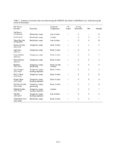
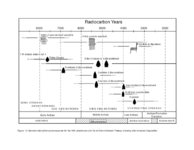
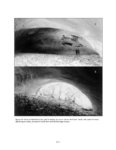
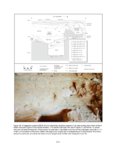
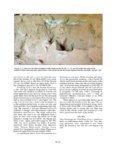
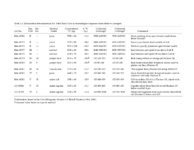
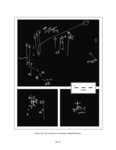
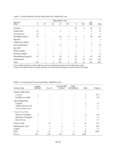
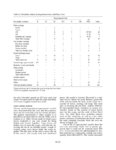
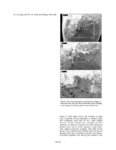
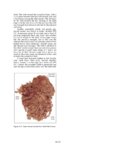
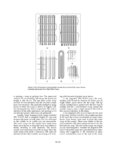
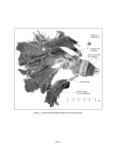
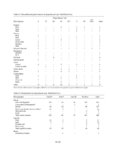
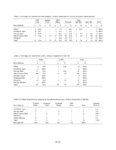
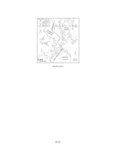
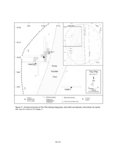
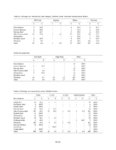
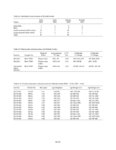
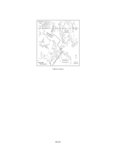
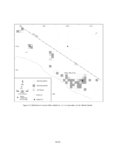
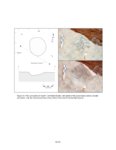
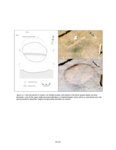
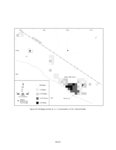
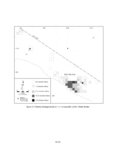
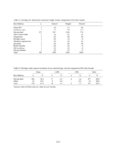
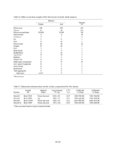
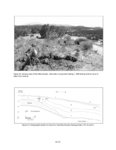
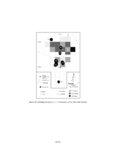
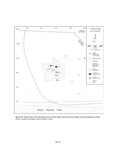
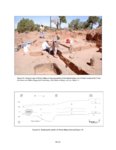
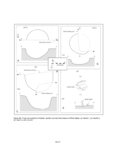
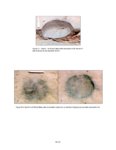
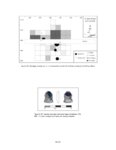
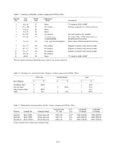
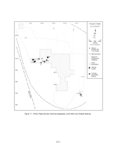
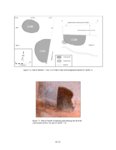
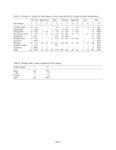
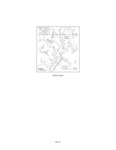
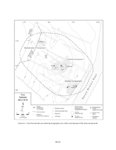
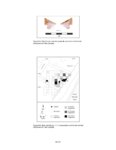
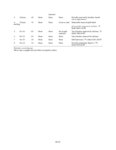
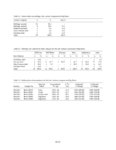
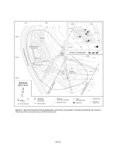
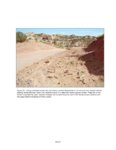
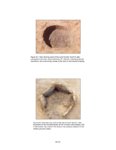
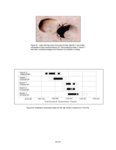
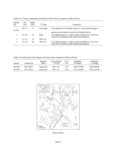
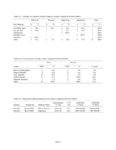
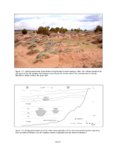
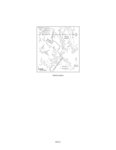
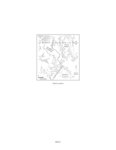
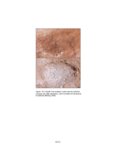
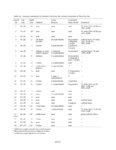
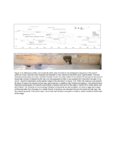
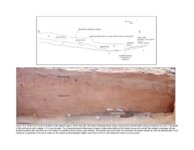
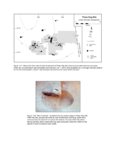
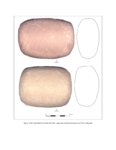
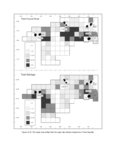
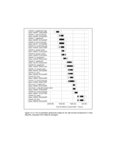
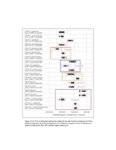
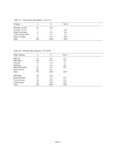
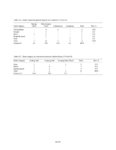
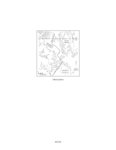
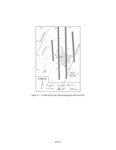
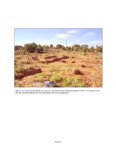
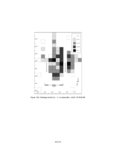
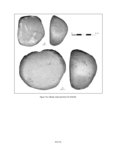
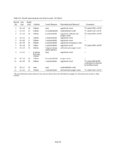
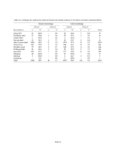
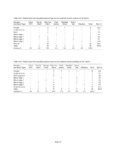
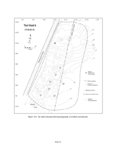
Show would have been most efficiently done with snares or sticks rather than atlatl and darts. Perhaps this is why there are no dart point bases present, a situation very different from the nearby late Archaic site of Tsé Haal'á, which produced numerous point bases (see Chapter 16, this volume). Several pollen samples were collected from Locus 1 in an effort to investigate which floral resources the early site occupants had used. We were especially interested in learning whether corn pollen occurred in the cultural deposit, given the lack of obvious maize remains during excavation. A grinding slab adjacent to Hearth 8 was submitted for a pollen wash, and sediment samples collected directly above and below the slab were also analyzed. All produced juniper, pinyon or pine, and sagebrush pollen, which are probably environmental and not related to use of the grinding tool; likewise the evening primrose pollen from one of the control samples probably reflects natural pollen rain. The two control samples also contained ephedra and bursage, which may relate to natural pollen rain. All three of these samples produced pollen from Cheno-Am, sunflower family, and grass family, and the slab yielded cholla pollen, species that are more likely related to subsistence. A grinding slab found near Hearth 6 that was submitted for a pollen wash produced evidence of abundant Cheno-Am, sunflower family, grass family, and bursage, in addition to juniper, pinyon, and sagebrush, which probably result from natural pollen rain rather than cultural activity. A control sample of sediment adhering to the grinding slab produced an identical array of floral species, and contained an aggregate of six sunflower family pollen grains and a trace of evening primrose pollen. Radiocarbon samples were collected from nearly all of the hearths within Locus 1. Samples of different fuel materials were submitted from Hearths 4 and 6 as part of an ongoing study of the reliability of various materials, as well as to place these features in the occupation sequence of the site. Sagebrush charcoal and a juniper seed from Hearth 4 returned dates of 3390 ± 40 BP (Beta-135687) and 3160 ± 40 BP (Beta-158097), respectively. Juniper seeds from Hearth 6 gave a date of 3150 ± 40 BP (Beta-135686). The juniper seed dates for these two features are nearly identical, offering a confident temporal assignment for the hearths in the immediate vicinity. The nine basin hearths defined within Locus 1 (Figure 14.9; see Table 14.1) ranged in size from just over 25 cm in diameter (Hearth 11) to 66 x 55 cm (Hearth 6). Most were quite shallow; only four had more than 10 cm of depth, with the deepest at 21 cm (Hearth 7). Only a few hearths exhibited oxidized basins, and it seems that most were smothered before the coals had burned down to ash, possibly reflecting use as roasting features. Hearth 6, a shallow surface feature, was built partially over Hearth 7, a deeper basin. Several of the hearths were not quite superimposed but close together, certainly too close to have been used simultaneously. It seems that as the cultural deposit built up over a brief period of time as a result of hearth reuse, the original occupation surface was buried and activity took place on higher surfaces resulting from cultural deposition. None of the activity surfaces could be followed for any significant distance, but the overlapping hearths and superimposed clusters of burned rock demonstrated this process. Some of the vast amount of charcoal and stained sand likely resulted from shallow surface fires that could not be individually identified as features during excavation. Much of the burned rock recovered from the cultural deposit may have been used in these surface fires. Locus 1 was bounded on the northeastern side by a buried drainage channel that cut into Stratum V (see Figure 14.6). The charcoal-stained, artifact-rich cultural stratum pinched out along the edge of the channel, which was obviously present during the initial occupation of the site. On the northeast side of this small channel was a second activity area (Locus 2) that postdated the activity at Hearths 4 through 12 by several hundred years. The position of the drainage channel in relation to the cultural stratum in Loci 1 and 2 indicated that it was not a post-occupational feature that divided a single large activity area; the divergent ages of the features in Loci 1 and 2 verified that they were not a single activity area cut by the drainage. This was also demonstrated by the extension of sparse charcoal from Locus 1 into the edge of the channel, whereas the Locus 2 deposit pinched out before (east of) the drainage, rather than being sharply cut off at an erosional edge. Locus 1 lay on the northeast-facing slope of the ancient surface, whereas the Locus 2 deposits occupied the crest of a small ridge that sloped to the southeast. As the drainage channel filled with eolian sand and gravels, the shallow channel was diverted. Eventually the entire channel filled with eolian sand and was buried by the thick dune. Additional evidence that Locus 1 was unrelated to Loci 2 and 3 comes from the lithic debitage and faunal remains. Owl Rock chert, the dominant material type of Locus 1, was entirely absent east of the drainage, whereas the two eastern areas produced a preponderance of white orthoquartzite and lesser amounts of Glen Canyon chert, including a distinctive variegated variety not present at Locus 1. Although most of the faunal remains were fragmented into small unidentifiable bits, the identifiable bone at Locus 1 consisted mostly of small mammals, specifically cottontail with jackrabbit and kangaroo rat also represented, whereas the II.14.7 |