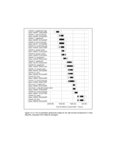
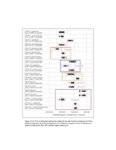
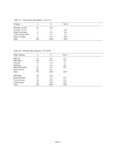
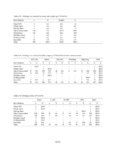
| OCR Text |
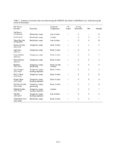
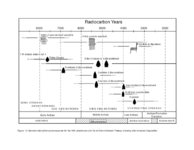
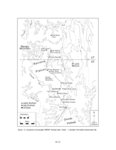
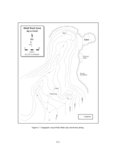
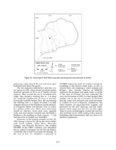
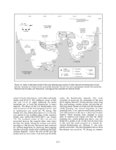
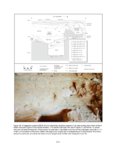
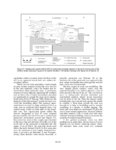
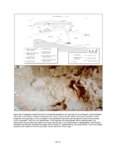
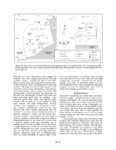
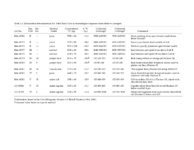
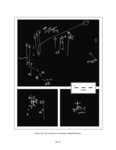
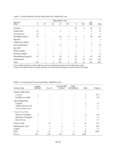
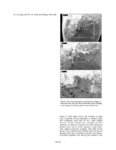
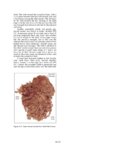
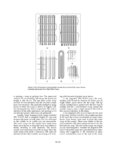
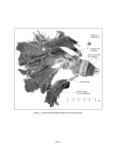
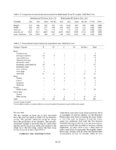
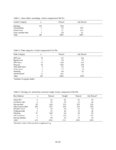
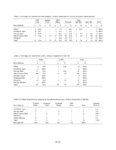
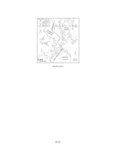
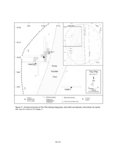
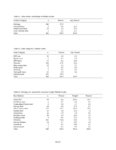
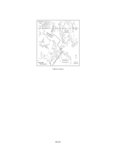
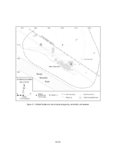
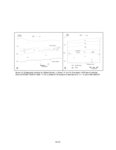
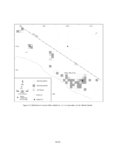
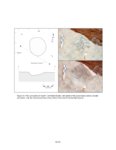
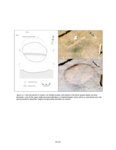
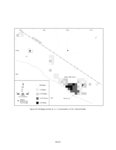
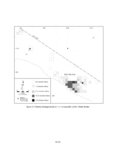
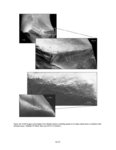
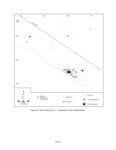
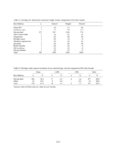
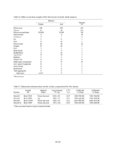
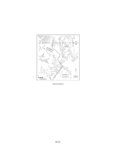
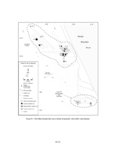
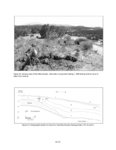
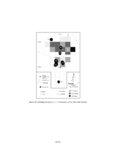
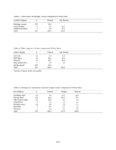
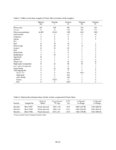
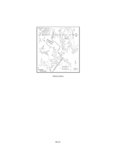
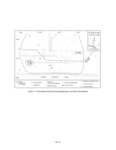
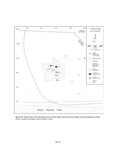
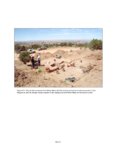
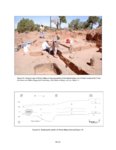
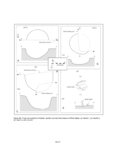
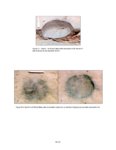
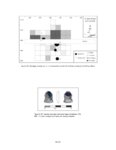
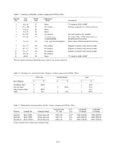
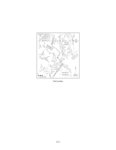
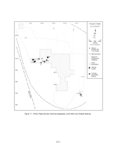
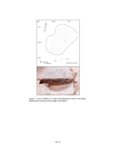
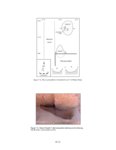
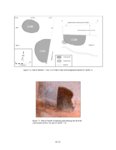
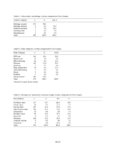
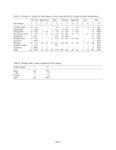
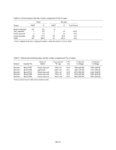
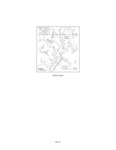
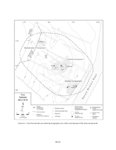
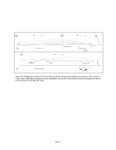
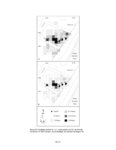
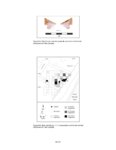
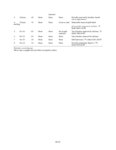
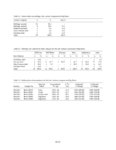
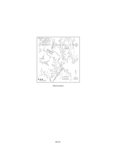
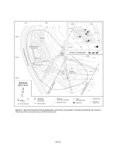
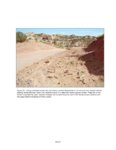
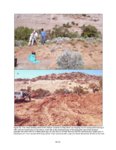
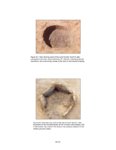
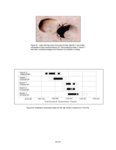
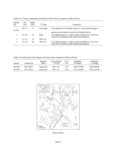
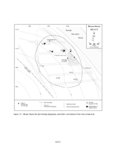
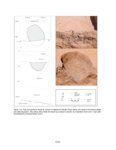
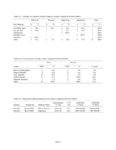
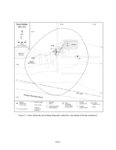
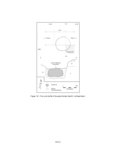
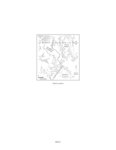
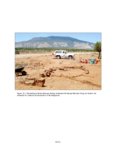
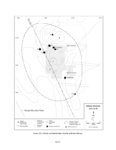
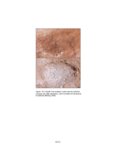
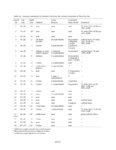
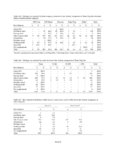
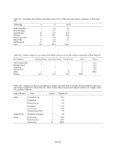
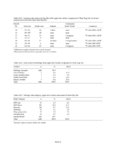
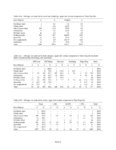
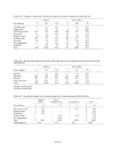
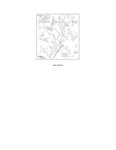
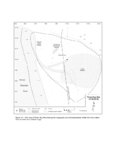
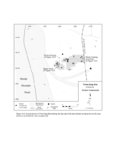
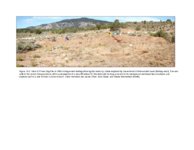
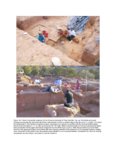
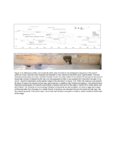
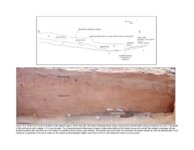
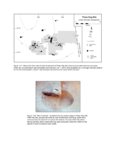
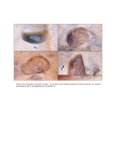
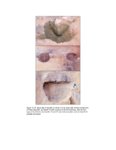
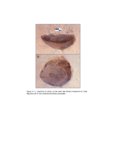
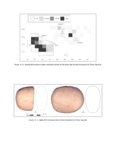
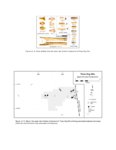
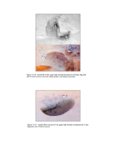
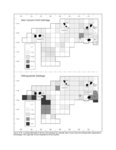
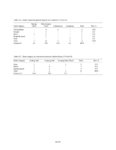
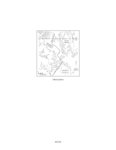
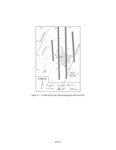
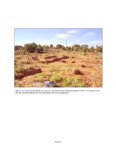
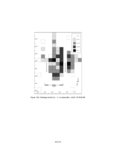
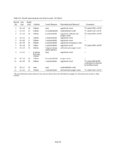
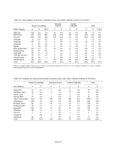
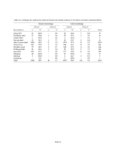
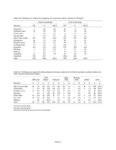
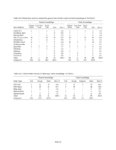
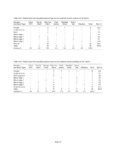
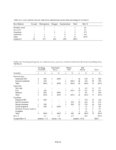
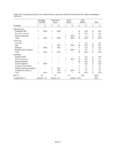
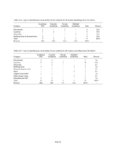
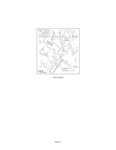
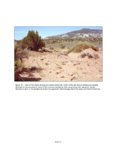
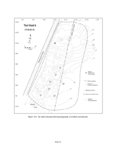
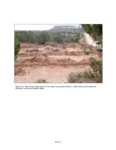
Show Chapter 13 BONSAI BIVOUAC Victoria H. Clark and Phil R. Geib Bonsai Bivouac (AZ-J-2-55) was a multicomponent early Archaic, Basketmaker II, and middle Pueblo III site situated on a sagebrush-covered flat toward the central portion of the Rainbow Plateau (Figure 13.1). The Puebloan component, consisting of a disturbed room block and associated light trash scatter, was the impetus for excavation at this location. Backhoe stripping followed hand excavation of the Puebloan features, disclosing 10 underlying charcoal stains that ranged from amorphous and irregular to seemingly formal and deliberate basins. No artifacts were recovered in or around any of the stains, leaving some question as to whether the stains were of natural or cultural origin. The lack of artifactual remains might be related to how the features were discovered, as the backhoe might have stripped away the associated cultural stratum. Radiocarbon dating of charcoal from several of these features disclosed that two date to the Archaic period and two to the Basketmaker period. It is probable that some or all of the other eight hearths also date to the Archaic. The description of the Puebloan component at Bonsai Bivouac (Chapter 23 of Volume IV) presents the background information and surface evidence for this site, as well as descriptions of the site location and setting, excavation strategy, and stratigraphy. Geib and Warburton (1992) first documented this site in 1991, recording it as a concentration of masonry rubble with light artifact scatter. Extent testing in the fall of 1994, including backhoe trenching, revealed portions of the Puebloan component but failed to disclose the buried Archaic and Basketmaker features (Clark et al. 1996). Data recovery revealed that a road grader had pushed, dragged, and ultimately reconfigured the entire Puebloan room block, greatly limiting its information potential. This effort also disclosed the underlying features, which perhaps have more interpretive value than the Puebloan remains. Bonsai Bivouac occupies a broad flat expanse of dune-covered Navajo Sandstone at an elevation of 1840 m (ca. 6040 ft) toward the central portion of the Rainbow Plateau. Sagebrush dominates the local landscape, with an occasional pinyon or juniper growing from cracks in the exposed bedrock. Prior to the current overgrazed conditions, native grasses probably grew in large patches of the surface eolian sand. The foot of Navajo Mountain lies less than 8 km northwest of the site. To the south stands the rugged Navajo Sandstone ridgeline that defines the southern edge of the Rainbow Plateau and the Chaiyahi Rim above tributary canyons of Navajo Creek. Although the nearest permanent water is several kilometers away, potholes in the exposed slickrock provide a myriad of small seasonal reservoirs. Notably, only 200 m east of Bonsai Bivouac are slickrock catchments that impound many hundreds of liters of water (site AZ-J-2-10). The six strata identified at the site consisted of an upper unit of eolian sand followed by two underlying soil horizons (the horizons together totaling five strata); the stratigraphic sequence terminated on Navajo Sandstone bedrock. Puebloan artifacts were found throughout the upper strata, though most were concentrated just above the top of the lower soil horizon (Stratum V). The Archaic and Basketmaker features originated in the lower soil horizon (Stratum V) with features cutting through to bedrock (see Chapter 23 of Volume IV). Stratum V was a compact, yellowish red (5YR4/6), fine-grained clayey sand, interpreted as a well-developed buried A/B soil horizon that ranged from 20 to 30 cm thick. Puebloan artifacts and wall fall generally terminated on or in the upper few centimeters of Stratum V, indicating that the top of Stratum V was surficially exposed, at least sporadically, at the start of the Puebloan occupation. FEATURE DESCRIPTIONS Eight charcoal stains comprised the Archaic features at Bonsai Bivouac (Figure 13.2, Table 13.1, Hearths 1-6, 9, and 10); Hearths 7 and 8 have radiocarbon dates within the Basketmaker II period. Hearth 10, the southernmost feature, is assumed to be early Archaic in age based on the degree of charcoal degradation. All of the charcoal stains were discovered during mechanical stripping, with all originating in Stratum V, |