| OCR Text |
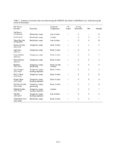
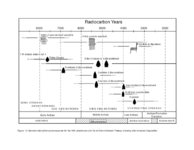
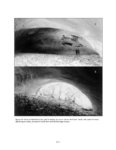
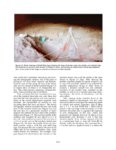
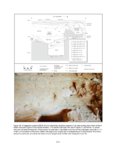
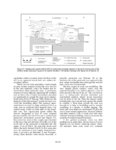
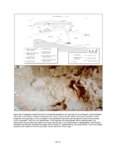
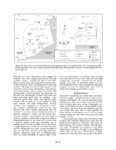
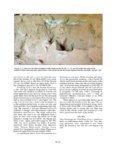
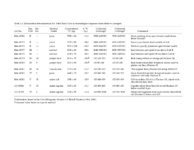
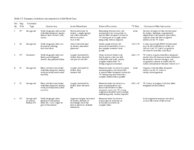
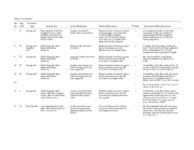
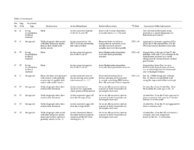
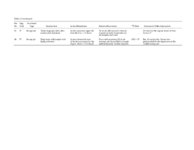
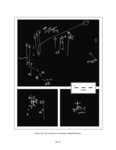
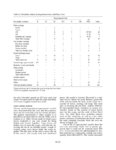
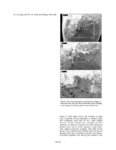
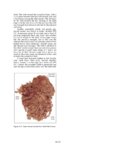
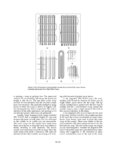
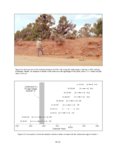
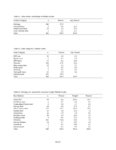
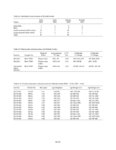
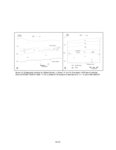
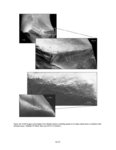
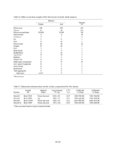
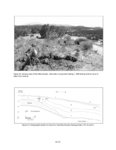
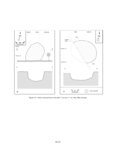
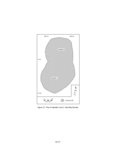
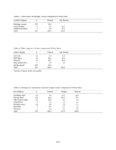
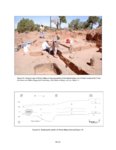
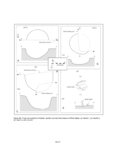
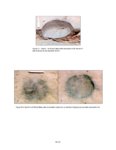
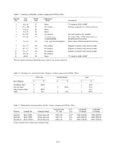
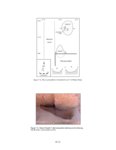
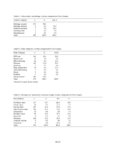
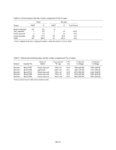
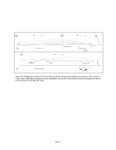
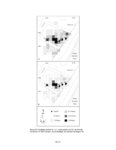
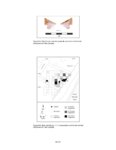
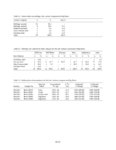
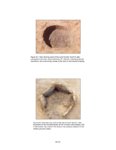
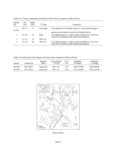
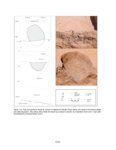
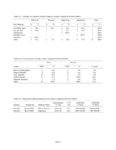
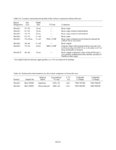
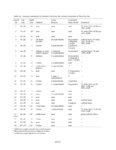
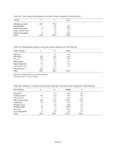
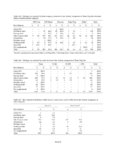
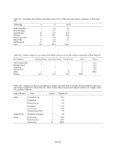
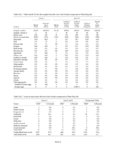
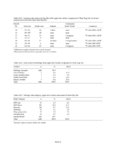
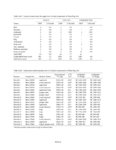
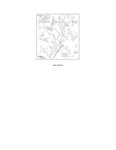
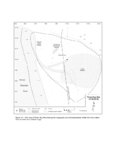
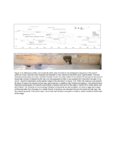
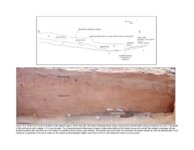
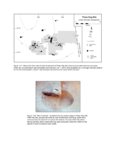
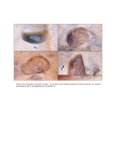
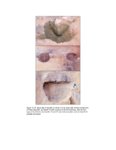
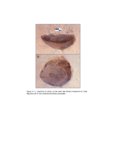
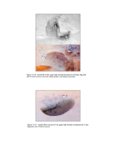
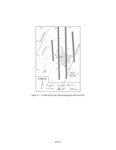
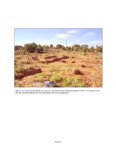
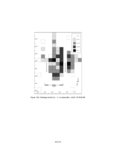
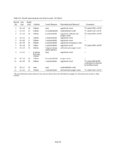
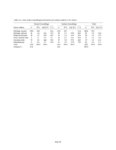
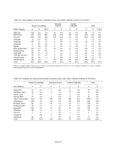
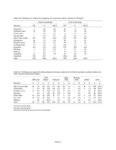
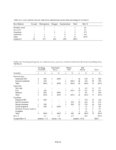
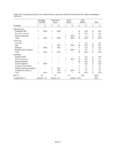
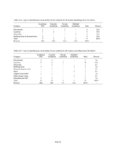
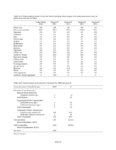
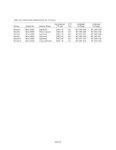
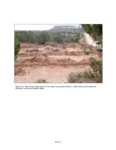
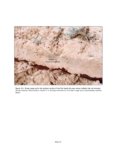
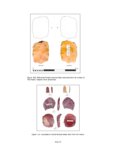
Show coursing above the uprights. In several cases, fiber-tempered mortar sealed the interstices between the slabs. Slabs sealed with similar fibertempered mortar formed the floors of most cists where floor construction was evident. Roof fall layers consisting of mortar chunks, sticks, rocks, and juniper bark or other vegetation occurred in the fill of some cists, such as Features 2 and 5 (shown in Figure 2.6). The Feature 18 cist contained turkey feces along with some trash. Other cists appeared to have been filled with sediment little different from the matrix comprising the depositional units that these features originated from. Cist dimensions remain unknown because no intact examples were excavated entirely. The most complete dimensions are from two cists whose floors were intact at the bottom of the looter disturbance (Features 5 and 7), and a third cist with a partially intact floor (Feature 4). The floor dimensions given in Table 2.2 provide a minimum estimate of cist size because in all cases the upright slabs that form the walls leaned outward; thus size increased with height. Most cists were at least half a meter deep; some, such as Feature 2, were 1 m deep. To achieve any depth, the cist builders had to excavate into the Unit III roof spall layer; in many cases they dug completely through Unit III and into the underlying Unit II, continuing at times into Unit I. Most of the cists were attributed to Basketmaker II construction because they originated from within Unit IV. The point of origin was not observable for Features 5 and 7, but direct dating allowed the Feature 5 cist to be assigned to Unit IV. The adjacent Feature 7 cist was similarly assigned based on identical floor depths and construction. Several of the cists were part of the Basketmaker III component, including Feature 18, which functioned as a turkey pen. Feature 2 was the single documented cist from the Puebloan component. Originating from Unit VII, the horizontal coursing and ashy fill of this feature distinguished it from the Basketmaker cists. The single storage pit identified at the cave was Feature 24, found immediately below the Feature 18 turkey pen cist. This pit originated from Unit IV and extended down through Units III and II and into the top of Unit I (see Figures 2.7 and 2.10). Looters had destroyed most of the feature, leaving intact perhaps only an eighth of the pit. Because the rock spalls of Unit III were not consolidated the upper walls of this feature would have easily fallen in; it is possible that upright slabs originally lined the steeply sloped cuts of the pit walls, but were removed upon abandonment of the feature. On the bottom of the pit was a mass of shredded juniper bark that probably served as a lining; a large sample of this was radiocarbon dated (see Table 2.1). The possible structure (Feature 3) was evidenced by a clay-plastered floor remnant that measured about 2.25 m north-south by 0.8 m eastwest. Neither of these dimensions was complete, thus this feature seemed too large for a storage cist. The south side of the floor remnant was defined by a wall of upright slabs set within and partially covered by a thick layer of clay. The eastern side of the floor remnant was partially defined by a similar wall, but here looters removed most of the uprights. There was an obvious line of contact between the floor and where the wall slabs once stood. Portions of the 10-15 cm thick wall were formed of clay tempered with wads of grass. Looters broke and scattered most of this material, chunks of which lay around the edges of the floor remnant. Grass was extracted from these scattered pieces for radiocarbon dating. Directly west and slightly north of the floor remnant were two upright slabs, but no patches of the floor clay surrounded these uprights. If these uprights delimited part of the western wall, then the structure would have measured about 2.6 m east-west. The 1640 ± 70 BP date for the possible structure places it at the time of transition between Units IV and V, slightly younger than the storage cists originating from Unit V (Features 15 and 18), but more recent than the 1710 ± 60 BP age for the Feature 16 organic lens at the top of Unit IV. The structure dates to the time when Basketmaker use of the cave was changing, as evidenced by a more accretionary, trash-like character to the deposit, which included more ash and charcoal. Though the function of Feature 3 remains unknown, if it served as some sort of dwelling this may well account for why Unit V had a character different from Unit IV. Seemingly consistent with the dwelling interpretation were the massive nature of the walls and the thickness of the clay used to plaster the floor. Inconsistent with this interpretation was a lack of ash and charcoal staining on the floor remnant and sooting of the walls. Perhaps this feature served to pen turkeys, as had Feature 18, but because looters had removed its entire fill, the evidence for this was lost. The only hearths identified in the cave were two superimposed basins filled with ash and charcoal, which the looters had sectioned (see Figure 2.12). The basins originated from Unit VI, but little else is known about them because they were not excavated and no samples were collected. The occurrence of hearths in Unit VI was expected given the ashy nature of much of this unit. Based on the large amount of ash and charcoal in Unit II, in addition to the heavy sooting of the cave ceiling in the one unspalled section, there must be numer- II.2.23 |