| OCR Text |
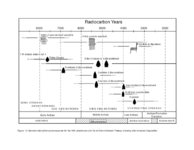
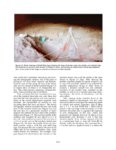
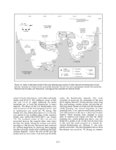
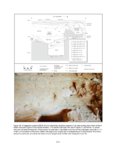
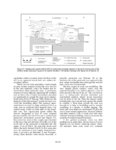
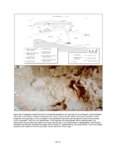
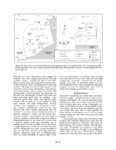
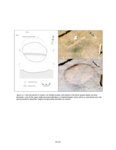
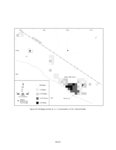
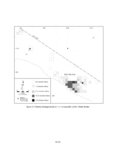
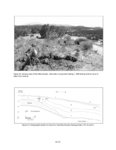
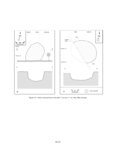
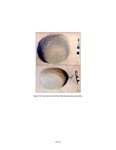
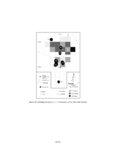
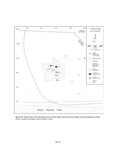
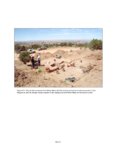
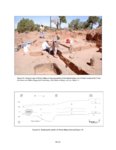
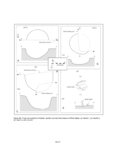
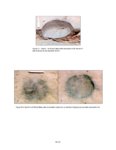
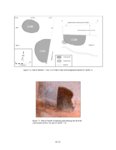
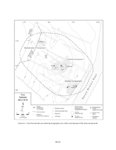
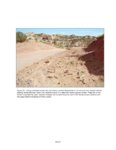
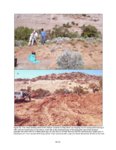
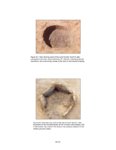
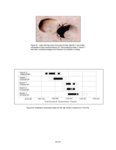
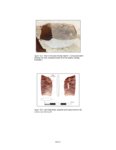
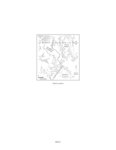
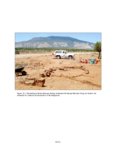
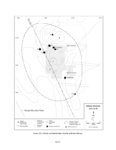
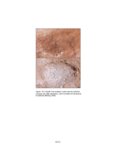
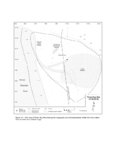
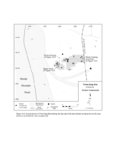
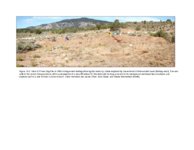
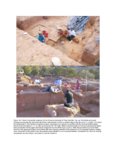
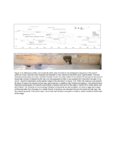
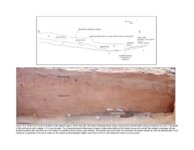
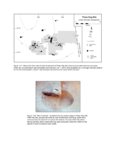
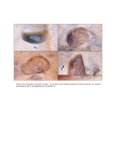
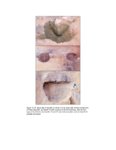
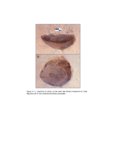
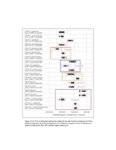
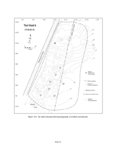
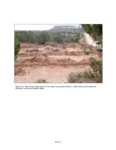
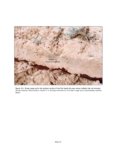
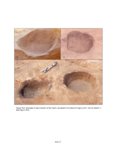
Show for Hearth 1 provides the better approximation of the time of site use: 7350-6750 cal. BC. Alternatively, it is possible that the site was occupied at least twice during the early Archaic. We can easily imagine how foragers may have reused the site on successive occasions because of its slightly sheltered area in the dune sand next to the bedrock ledge that contains water pockets. Not only is the setting conducive to reuse, but it provides an ideal small hollow for camping, which might have constrained spatial use so that features from separate use events could easily occur side by side. SUMMARY AND INTERPRETATION Dune Hollow provides evidence for early Archaic use of the broad open flats toward the south-central portion of the Rainbow Plateau. A limited amount of hand excavation at Dune Hollow exposed two small basin hearths and recovered a small assemblage of stone artifacts and bone. The features and remains were situated in eolian sand collected along the base of a small sandstone outcrop on its southeast side. The outcrop evidently provided some protection from the elements and perhaps seasonal water in small weathering basins. Exploratory trenches and a few additional hand-excavated units along the base of the outcrop failed to reveal any additional Archaic features or an appreciable accumulation of remains. AMS radiocarbon dating of sagebrush and juniper charcoal from the two hearths revealed that both are more than 8000 radiocarbon years old, but they may not be contemporaneous. Hearth 2 has a calibrated two-sigma temporal span of BC 7520-7080, whereas Hearth 1 has a calibrated two-sigma temporal span of BC 7350-6750. The burning of old sagebrush wood might account for the age discrepancy (see above and Chapter 12 of Volume V), but there is no way of knowing in this particular case. Even if there were two use episodes, there is no way to know which other remains (artifacts and bone) are associated with them because the hearths had the same stratigraphic position. For interpretive purposes, therefore, we are effectively dealing with a single composite assemblage and set of features. The limited spatial extent of the remains and proximity of the two hearths might be taken as an indication of a single use episode, but this might have simply resulted because the site setting fostered repeated use of a small area. The recovery of artifacts and bone from the entire 85 cm thickness of the dune sand that comprised the Archaic stratum seems more consistent with multiple use-episodes. The sparse amount of artifacts and nonartifactual remains recovered from Dune Hollow limit our interpretations. Artifacts consist of just 16 flakes and two tiny grinding slab fragments; there were no flaked facial stone tools and no used flakes. The flake waste is mainly from cores or nodular core tools and not from bifacially flaked tools, as at some early Archaic lithic assemblages of the N16 ROW- assemblages that seem oriented toward hunting and were found associated with large mammal bone. The faunal remains from Dune Hollow were equally meager and did not include large mammal bone. Most of the tiny mammal bone (rodent-sized) from the Archaic component seemed intrusive (fresh looking) to the analyst. The animal remains of the small size class (rabbit-sized) seemed nonintrusive and most of the unidentifiable bone fragments of this size group were burned. All identifiable size class 2 bone came from desert cottontail, an animal more likely taken by traps or with sticks and not requiring the production and maintenance of projectile points. The finding of grinding tool fragments, along with the occurrence of goosefoot seeds in the basin hearths, might support the conclusion that the site also served as a temporary camp related to seed collecting and processing. The site is currently located in an overgrazed sagebrush flat that contains few other plant species, but during the early Archaic the surrounding drainage basins may have supported abundant grasses and other important seed-producing plants. A hearth at Sapo Seco, roughly 2 km northwest along N16, is closely similar in age to Hearth 2 (8230 BP), as is a hearth at Bonsai Bivouac (8180 BP), roughly another kilometer further northwest. The hearths at both of these other sites are more than 8000 radiocarbon years old. Dune Hollow and these other two sites contain few remains and few features, with no clear buildup of cultural deposition. This is perhaps expectable for hunter-gatherer sites on the interior portion of the Rainbow Plateau, which does not provide good settings for base camps, as do sheltered drainages or canyons with permanent water such as occur closer to the foot of Navajo Mountain. We would expect to find hunter-gatherers using the flats for task-specific foraging trips involving short duration stays. II.11.5 |