| OCR Text |
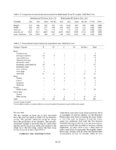
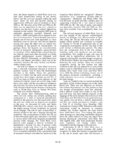
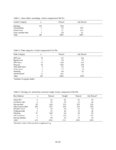
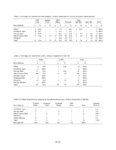
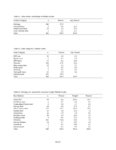
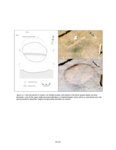
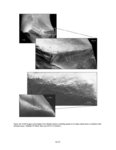
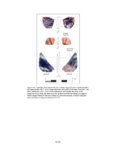
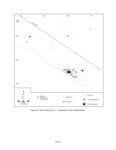
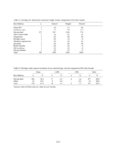
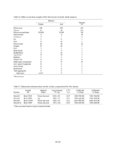
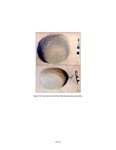
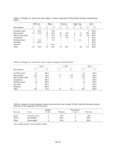
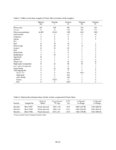
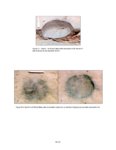
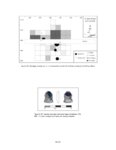
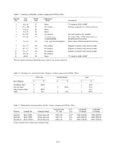
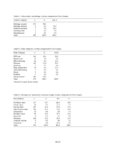
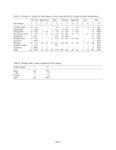
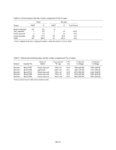
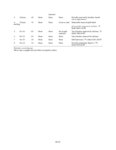
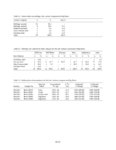
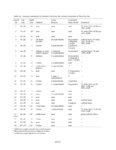
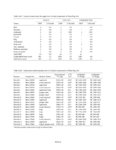
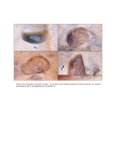
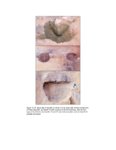
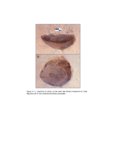
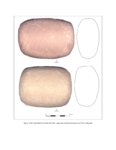
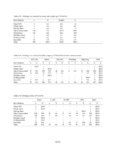
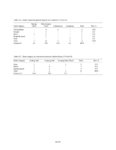
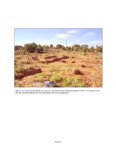
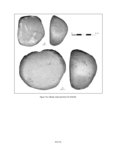
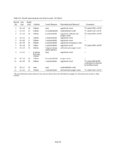
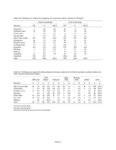
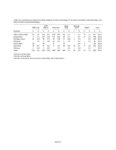
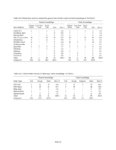
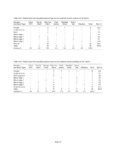
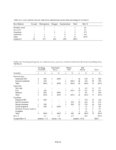
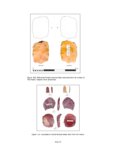
Show the minimum number of tools because pieces were refit or positively matched based on raw material and morphology. One of the manos is quite typical of those found at early Archaic sites in the region, such as Dust Devil Cave (Geib 1984). It is an unexhausted whole tool made by modifying the plan of a stream-rounded sandstone cobble by pecking it into an oval shape; it measures 9.5 x 7.5 x 5.5 cm and weighs 496 g. The tool was used on both sides, with one side being relatively flat, but with a slight "rocker" bevel and the other side convex and with a marked rocker use-bevel. The other mano is very tiny indeed (5.2 x 5.7 x 3.6 cm) and of expedient design with no intentional shaping. It has a use-beveled grinding surface (rocker bevel) with parallel striations from use in a reciprocal motion. Unless exploited to prepare some very special small food item or for pigment, we can only surmise that this tool was used by a child in the same fashion and for the same purpose as manos used by adults; it can perhaps be taken as another trace of children in prehistory (Kamp 2002). Unlike the manos, all six metates are broken. One metate is a basin variety (although used reciprocally) and the other five are all classified as slab metates. The basin on the former is several centimeters deep (the exact depth was indeterminate due to the fragmentary nature of the tool). Several of the slab metates also have shallow (less than 1 cm deep) centralized grinding depressions, quite common to Archaic grinding slabs of the area. All six metates exhibit use-wear on only one side. One of the metate fragments (two pieces recovered) is very thin (< 2 cm), though the tool may have split along a bedding plane; the sandstone of this item is discolored by fire, which suggests that at least one hearth was originally present at the site. All six grinding slabs were manufactured from locally available fine-grained Kayenta sandstone. Most (5 of 6 or 83%) have been pecked on the grinding surfaces to coarsen their texture. NONARTIFACTUAL BONE Only three pieces of bone were recovered at this site. All were unidentifiable, were slightly burned, and exhibited old breaks. All of the fragments were fairly small and had evidence of slight weathering; they could not be identified to class or even animal size. The lack of bone might relate to the probable deflation of the original cultural deposit. SUMMARY AND INTERPRETATIONS Excavations at UT-B-63-38 recovered a modest assemblage of flaked stone artifacts and several grinding tools on the surface and shallowly buried within a hard, clayey sand layer. It appears likely that this layer formed well after the artifacts had been deposited and that the remains lay for a considerable time on the surface, after the original occupation layer had eroded. Erosion is also a likely reason for the lack of hearths, which normally would have been present at a site with the diversity and density of artifacts that UT-B-63-38 yielded. The adjacent site of Tsé Haal'á (Chapter 16, this volume) reveals the extent to which wind erosion removes buried features and leaves artifacts scattered as a lag deposit, but unlike UT-B-6338, one portion of the occupation layer at Tsé Haal'á remained sealed, preserving more than a dozen late Archaic hearths. Deflation is also perhaps the reason that so little bone was recovered at UT-B-63-38. UT-B-63-38 is assigned a generic Archaic temporal affiliation. It is one of just two Archaic sites excavated within the N16 ROW that could not be temporally placed based on radiocarbon dates. Unfortunately, UT-B-63-38 also lacked diagnostic flaked stone artifacts. An Archaic affiliation is suggested by the recovery of two one-hand beveled cobble manos, one of which is typical of early Archaic manos in the area. A serrated dart point tip also appears to be supportive of an Archaic affiliation; point serration is moderately common during the Archaic but poorly represented at Basketmaker II sites. The site is interpreted as a temporary residential camp based on the presence of food processing tools and the flaked stone artifact assemblage. Grinding tools, but especially metates, are an important reason for classifying the site as a residential camp, following the logic spelled out in the previous chapter regarding the obvious role of these tools in daily food preparation and consumption. General camp activities of tool production and use are represented in the flaked stone tool assemblage. The used flakes indicate a variety of general cutting and scraping tasks, such as might have occurred to process game or manufacture other tools. A scraper fragment might also relate to game processing. Biface reduction was clearly emphasized, and this appears to have involved early through late stage percussion thinning of bifaces, but considerably less pressure finishing or modification of tools. The presence of notching flakes indicates that at least one projectile point was completed at the site. Virtually all of the debitage raw materials came from outside the immediate vicinity of the site, evidently from the Glen Canyon lowlands II.15.5 |