| OCR Text |
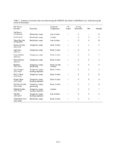
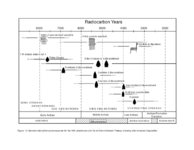
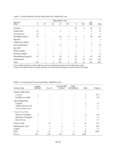
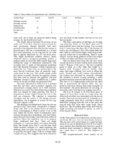
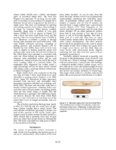
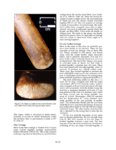
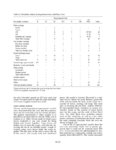
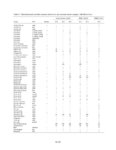
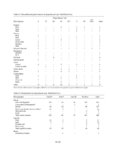
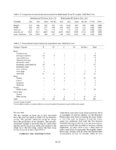
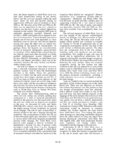
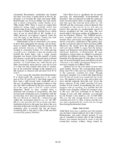
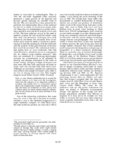
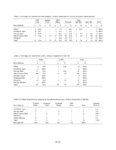
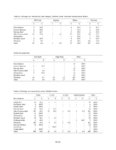
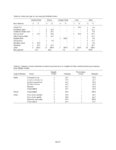
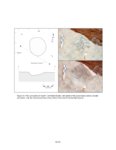
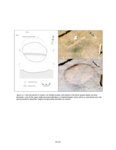
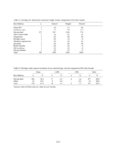
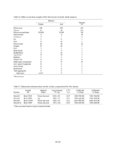
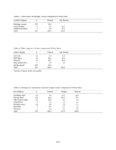
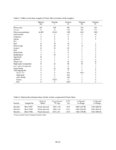
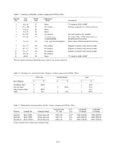
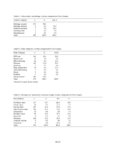
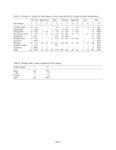
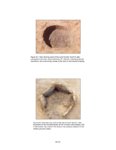
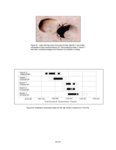
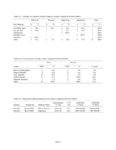
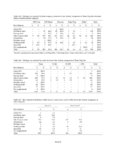
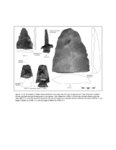
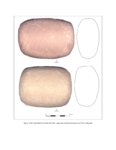
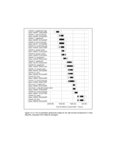
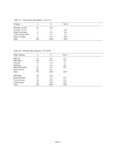
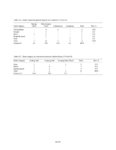
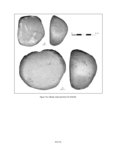
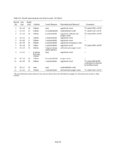
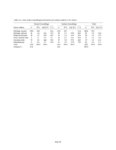
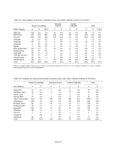
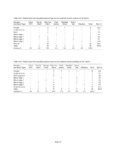
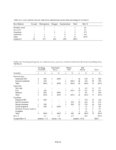
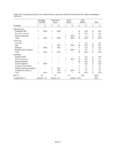
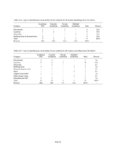
Show raw materials (Navajo and Owl Rock cherts) for simple core reduction indicates a rather expedient lithic technology and simple tool needs, not the hunting of large game. Grinding Tools Two small grinding slab fragments were recovered from the Archaic component. Both are internal portions of tools made of local Navajo Sandstone; both are burned. They represent distinct tools; they are different thicknesses, and the thinnest fragment is ground on both faces whereas the other fragment is unifacial. Because they are small burned pieces, it is possible that both represent heating stones that were never used as grinding tools per se at Dune Hollow. This possibility cannot be totally ruled out, but it seems unlikely, as no burned rock occurred in the hearths or in the stratum around these features. NON-ARTIFACTUAL REMAINS Macrobotanical Flotation samples collected from both of the Archaic hearths were analyzed for macrobotanical remains. The analyst performed a scan level of analysis on both of the samples, finding little charcoal and few identifiable remains. We interpret the general lack of charcoal in both of the hearth samples as the combined result of two factors-first, small twigs and brush were burned in the features (small charcoal pieces initially) and second, 8000 years of environmental degradation reduced the charcoal to fine dust. The excavators observed small charcoal flecks in the field while excavating both hearths and recovered the largest pieces for radiocarbon dating. The only identifiable remains in the flotation samples were carbonized goosefoot seeds, one in each sample. These seeds are scant evidence for resource use, and might result from accidental charring. We doubt that they are more recent contaminants (such as from the Puebloan component) because the hearths of the overlying Puebloan component lacked such seeds (flotation samples from the closest Puebloan features, Hearths 4 and 5, were not analyzed) and because of the depth of intervening sand. Goosefoot seeds are a common constituent of early Archaic feces on the Colorado Plateau (Van Ness and Hansen 1996). Bone Excavators recovered 40 pieces of bone from the Archaic component of Dune Hollow (Table 11.2). Forty percent of the bone is gopher or cottontail, with the rest unidentifiable mammal of mostly rodent and rabbit size classes (tiny and small respectively). The analyst concluded that almost all of the gopher remains are intrusive, based on their recent (fresh) looking appearance. Supporting this interpretation is the lack of burning on any of the gopher remains or any of the tiny mammal bone. In contrast, the cottontail remains do not appear intrusive, and even though none of the identifiable cottontail bone is burned, 64 percent of the small mammal bone is burned. The latter indicates that rabbit-sized animals were processed at the site, and given that desert cottontail is the only identifiable animal of this size class, this is probably the species represented. The one medium size faunal remain is a small molar fragment of a canid, perhaps a fox. RADIOCARBON DATING Excavators collected small samples of carbonized remains for radiocarbon dating in the field: juniper charcoal from Hearth 1 because they found no other carbonized plant remains, and sagebrush charcoal from Hearth 2. The flotation samples contained no remains better suited for dating purposes. The degree of charcoal degradation suggested that both features were likely to have considerable antiquity (per-haps 6000-8000 radiocarbon years); thus, age overestimation from dating old wood was not a serious concern. Both samples were analyzed using the AMS technique at the Lawrence Livermore National Laboratory, with pretreatment at Beta Analytic. Radiocarbon dates and calibrated age ranges for these two samples are presented in Table 11.3. Both samples are more than 8000 radiocarbon years old, allowing assignment of this component to the early Archaic. The two dates are statistically different at the 95 percent level (χ2 = 8.0, 5% = 3.8 [df = 1]), so it is not appropriate to average them. The earliest date is on sagebrush charcoal and the more recent date is on juniper charcoal. As discussed in detail in Chapter 12 of Volume V, comparisons of dates on sagebrush charcoal and wood charcoal from single features has shown that sagebrush often produces older dates, on the order of a few hundred radiocarbon years. This finding is counterintuitive in that we had previously assumed that the wood of a shrub would not last as long in the environment as a tree, so that sagebrush wood in a hearth would produce dates closer to the time of the fire than juniper or pinyon wood. If the dated sagebrush from Dune Hollow is a few hundred years too old then it is likely that Hearths 1 and 2 are contemporaneous and that the calibrated date range II.11.4 |