| OCR Text |
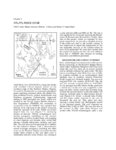
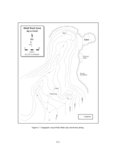
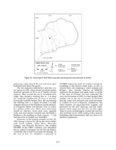
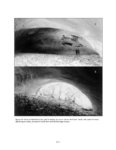
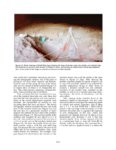
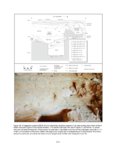
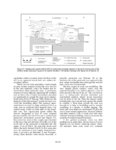
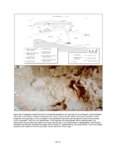
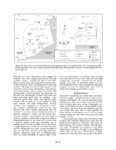
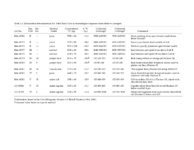
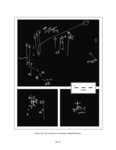
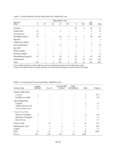
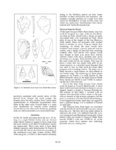
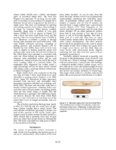
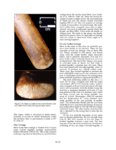
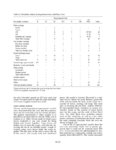
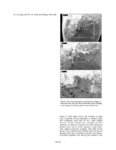
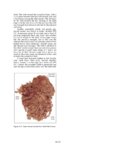
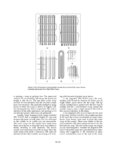
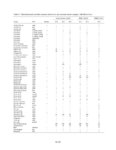
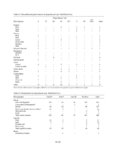
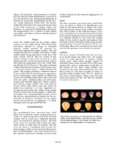
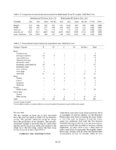
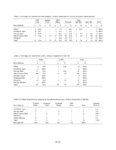
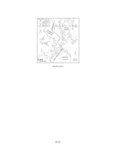
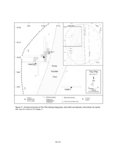
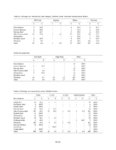
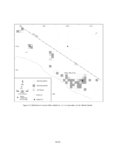
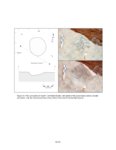
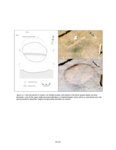
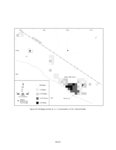
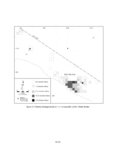
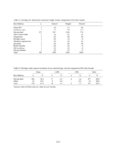
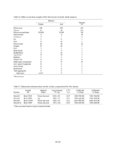
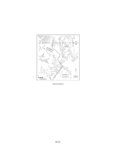
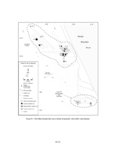
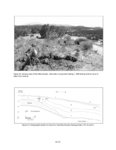
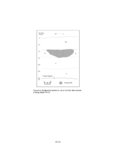
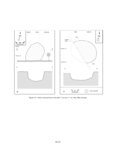
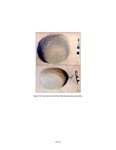
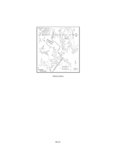
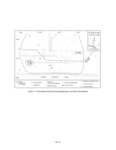
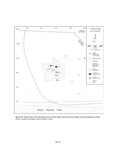
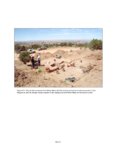
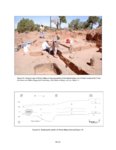
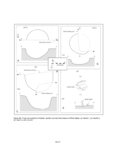
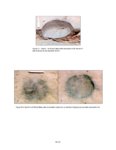
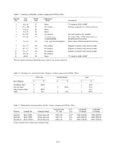
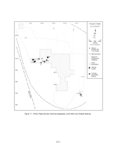
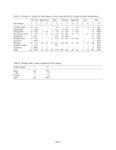
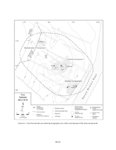
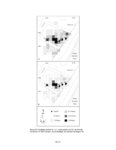
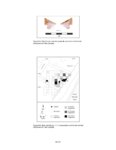
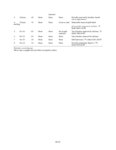
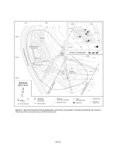
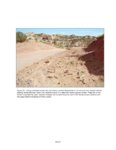
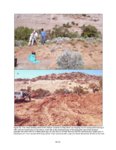
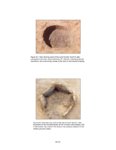
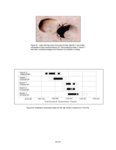
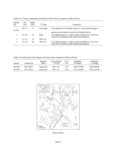
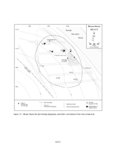
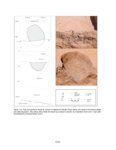
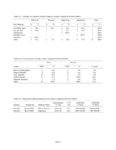
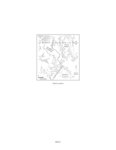
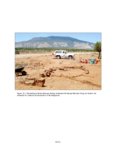
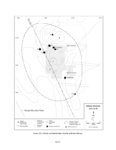
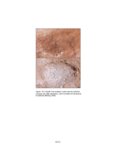
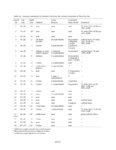
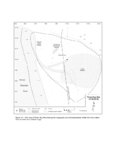
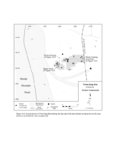
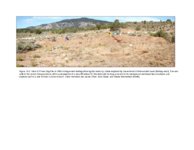
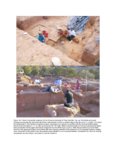
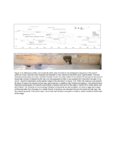
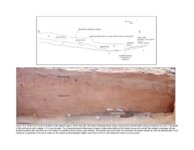
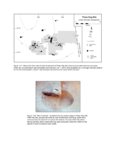
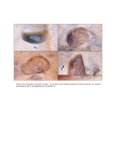
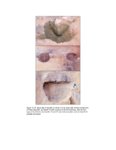
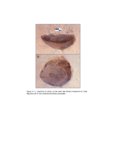
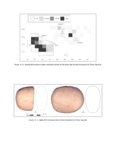
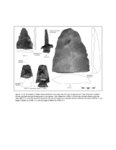
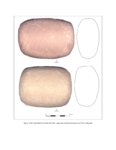
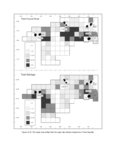
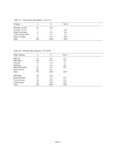
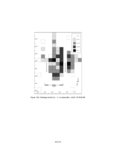
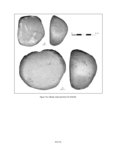
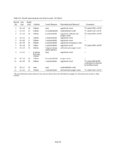
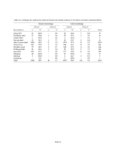
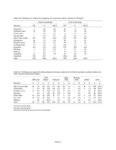
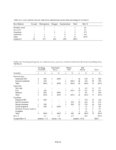
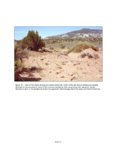
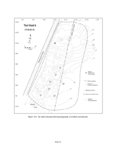
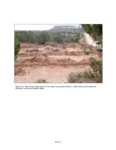
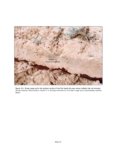
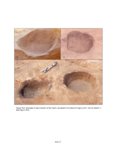
Show ash in the fill suggested that the fire was smothered before it burned down. It is likely that the hearth was used only once, and the smothering left a basin full of charcoal that was not cleaned out. Sand lining the upper hearth basin and on the adjacent occupation surface was oxidized, but the surrounding surface did not exhibit charcoal staining and no artifacts were recovered from a 1 x 1.5 m unit surrounding the hearth. Hearth 3 originated in the lowest part of Stratum IV but did not extend into the underlying Stratum V. This feature was not correlated with any of the hearth clusters, as it was more than 6 m from the other features of this layer. Locus 1, Hearths 4-12 Hearths 4 through 12 comprised a late Archaic activity area (Locus 1) containing abundant lithic debitage and faunal bone fragments. The dark charcoal-stained cultural stratum associated with these hearths was identified during testing in a backhoe trench and was initially interpreted as the lower fill of a burned structure, perhaps of Basketmaker affiliation. Full excavation during data recovery revealed that it represented an outdoor activity area associated with numerous hearths and positioned well below the Basketmaker II occupation surface (roughly 1.2 m or more). That the charcoal-stained deposit did not represent a structure was evidenced by its large size (4 x 8 m), irregular shape with gradational edges, and undulating lower boundary that followed the natural slope of the dune. Overburden was removed from the Locus 1 area through mechanical and manual effort, exposing the upper boundary of the charcoal-stained cultural layer. All sediment within the cultural stratum in Locus 1 was screened with 1/8" mesh, using 1 x 1 m units for provenience control. It is probable that construction and maintenance of the existing Navajo Mountain road removed the western edge of this Archaic activity area. The western boundary of the deposit initially appeared as an abrupt edge, but exploration eventually determined that the boundary "line" resulted from both the natural pinching of the deposit upslope on the original ground surface and the way the excavation units cut across this old slope. The slope of the ancient ground surface across the entire activity area was 6 to 10 degrees to the northeast. The eastern and southern edges of the deposit were gradational rather than abrupt, and clearly represented a gradual thinning of an extramural cultural deposit. On the north side a drainage channel provided an abrupt termination to the deposit, although another cluster of late Archaic hearths (Locus 2) occurred on the north side of this channel farther to the east. The charcoal-stained cultural stratum of Locus 1 was up to 25 cm thick and contained abundant lithic debitage from biface reduction of high-quality chert, as well as burned faunal bone and four grinding slabs with a single grinding surface each. One of the slabs was whole but the others were represented by pieces-one by five pieces, four of which were retrieved from the area around Hearth 6, and the fifth from that hearth. Only the fragment recovered from the hearth was burned. The whole metate and a large fragment adjacent to Hearths 6 and 8 were submitted for pollen wash, which produced Cheno-Am, sunflower, and grass pollen; the washed slab near Hearth 8 also produced cholla pollen. The single mano from Locus 1 was a burned one-hand fragment from within Hearth 6. Unfortunately, no projectile points and few formal tools were recovered from the Locus 1 cultural stratum or from within hearths. This is odd given the large amount of flaking debris recovered (more than 800 items), most of which derived from pressure and percussion flaking associated with late-stage bifacial tool manufacture and resharpening. Three whole bone beads and seven fragments were recovered from this area. Also recovered were scraps from the production of such beads-the distal and proximal ends of cottontail and jackrabbit long bones. Small amounts of burned rock were recovered as well, including sandstone slabs, chunks, and rounded cobbles. Some of these were within the hearth basins, but quite a few were found on the adjacent ground surface. The rock was rarely in piles, but was more or less uniformly dispersed across the activity area. These items may have been used within hearths for roasting or they could have been used for stone boiling. In addition to abundant wood charcoal, the deposit contained burned juniper seeds, sagebrush, and small twigs. Flotation samples were collected from nearly all of the Locus 1 hearths. Samples from all but Hearths 9 and 11 were analyzed, producing an abundance of goosefoot seeds, unidentified grass seeds, an unidentified composite seed, a single hedgehog cactus seed, several juniper seeds and fruits, and an abundance of juniper charcoal (see Table 14.1). The presence of goosefoot in all but one of the hearths, and in large quantities in three of the features, is indicative of an occupation during the late summer or early fall, when these seeds ripen. Goosefoot was a common food resource for Archaic populations (Van Ness and Hansen 1996), as well as during later prehistoric periods. Faunal bone from this activity area is highly fragmented, thus unidentifiable. Almost 40 percent of the 1100 bone fragments recovered are burned. Of the identified bone most is cottontail, with jackrabbit and kangaroo rat also represented. This reveals an emphasis on small game procurement, something that II.14.6 |