| OCR Text |
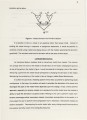
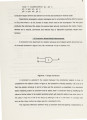
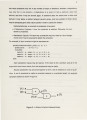
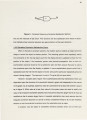
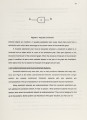
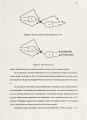
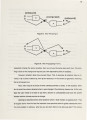
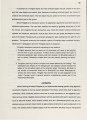
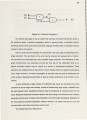
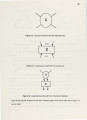
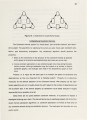
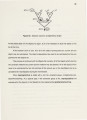
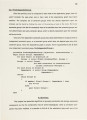
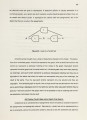
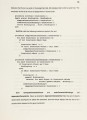
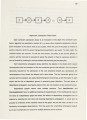
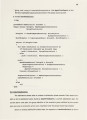
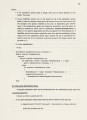
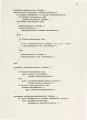
Show 18 (unbound) (retracted) (unbound) + :> t---- Figure 8: After Retracting c. ~ c + :> Figure 9: After Propagating From c. repeatedly change the same variables, then we will use the same plan each time. The planning is local to the change and requires just a few dependency links in variables. However retraction does have several flaws. First, it assumes all relations may be inverted. If pis used to deduce q, then q can deduce p. In the context of geometric modeling, this Is not always true. Next, there may be a choice of which ultimate premise to retract. In the example, either a or b could have been retracted when c was changed. We arbitrarily choose one. At the very least the user needs to be able to say that a solution is unacceptable and have the system choose another ultimate premise to change. Gosling [4] descnbes three other problems which I shall mef!tion in passing here. They all roughly derive from the fact that retraction uses previous plans to guide subsequent plans. The first problem is obvious, what do you do when there is no prev,·ous plan? This occurs |