| OCR Text |
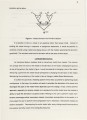
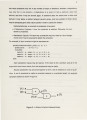
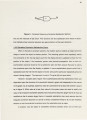
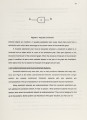
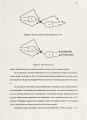
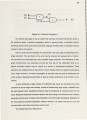
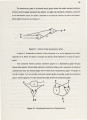
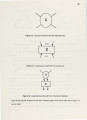
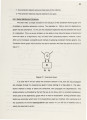
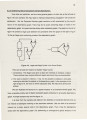
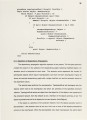
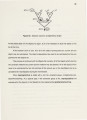
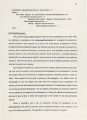
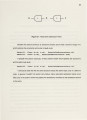
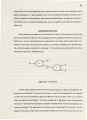
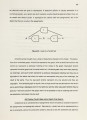
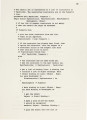
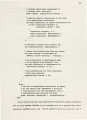
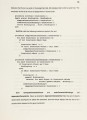
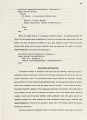
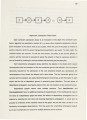
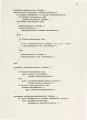
Show 3 revolution and a radius. xl y2 Figure 1: Model Derived From Primitive Objects. It is possible to derive a model in an graphical rather than textual mode. Instead of building the model through a sequence of assignment statements, it would be possible to construct a model using a tablet and display device, with the modeler specifying the derivation graphically. The resultant model and its derivation will be the same in both cases. 1.3 Model Maintenance. As mentioned before, modelers tend to interactively modify their models. The modeler can change either the roots of the model or the derivation of the model. Changing the position of one of the points in the model in figure 1 would correspond to changing a root of the model. Removing a point from the model would correspond to changing the derivation of the model. Maintaining the consistency of the model in face of change is called Model Maintenance. It is often the case that a modeling system will not have a scheme for performing model maintenance. In that case, the modeler will need to remermer the derivation of the model and recompute the parts of the model which depended upon the change. In fact a more common approach, especially for complex models is to recompute the entire model since the modeler's ability to recall the derivation is suspect at best. Relying on the user to perfonn model maintenance encourages either inconsistent models (incomplete recomputation of the model) or it encourages the user to perfonn more C:Ofll>Utation than is necessary. lneonsistent models are seldom acceptablr~ . Recomputing the entire model after every change would inconvenience the modeler and other users of the computing resources. |