| OCR Text |
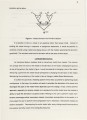
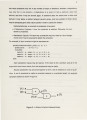
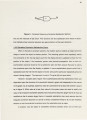
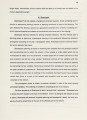
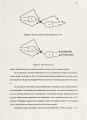
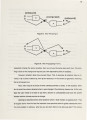
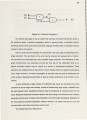
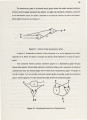
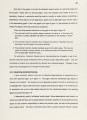
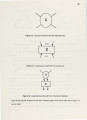
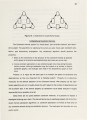
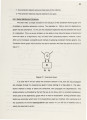
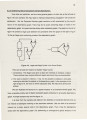
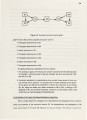
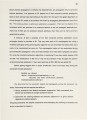
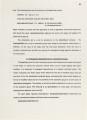
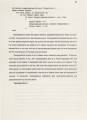
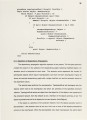
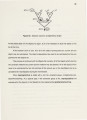
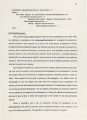
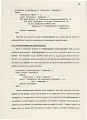
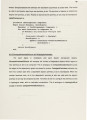
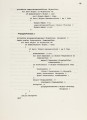
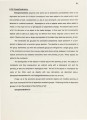
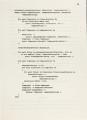
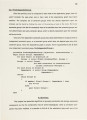
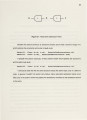
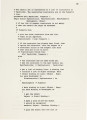
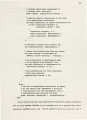
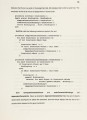
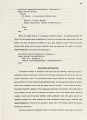
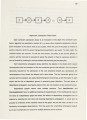
Show ~ c + :> Figure 6: Si~le Constraint Wrth Dependency Links. ~---,. _ e (unbound) + d (retracted) '--_j-- Figure 7: After Retracting d. instead. Retracting one of c·s ultimate premises will then result in c being retracted. 17 So in retracting c, we must retract either a or b. Let us arbitrarily retract a. This retracts c and e as well, as in figure 8. D is not retracted since it does not depend on any of the values being retracted. Values are propagated from c to a and e. The resulting graph looks like figure 9: To summarize, if we retract a bound variable with no premises, it is an ultimate premise of its dependents. The variable and its dependents are retracted. H we retract a variable which is not an ultimate premise, then we retract one of its ultimate premises instead. Since the changed variable and its dependents are all dependent on the ultimate premise, they will be retracted. Propagation begins at the changed variable and radiates oUtward. The changed variable becomes a new ultimate premise of the affected variables. Retraction's major advantage is low planning overhead both In time and space. If we |