| OCR Text |
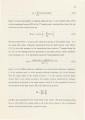
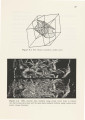
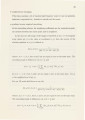
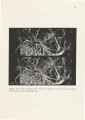
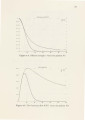
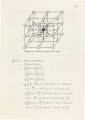
Show 20 where mindist(p,s) is the minimum distance between the seed s and the sample point pin three-space. The mn, mx, and r parameters are specified by the user. The user adjustable parameters help in controlling the matte volume. r controls how wide an area the user is interested in, mx controls the enhancement of the area near the seed, and mn controls the opacity of the area outsider. Figure 3.9 shows the opacity vs. distance from the seed function which controls the matte volume. A single seed highlights a spherical region around the seed point. Often this is inadequate. In data with complicated structures it makes more sense to extract and highlight the exact shape and structures of interest. This becomes even more important when the data itself is noisy. Volume seedlings[2] are used to achieve this. The volume seedlings technique entails planting a seed in the region of interest and then allowing it to sprout along the paths of "maximum interest," thus extracting the structure of interest. The seedling growth algorithm is similar to region growing algorithms described in computer vision literature[l] and 2D seed fill algorithms described in the computer graphics literature [10, 35]. The difference is that we are interested in the dynamics of growth to get a better visual perception of the structure of interest. A similar problem of extracting geometric models from the volume data has been addressed by Miller et al. [28]. The seedling growth algorithm is voxel based. A priority queue is used for the seedling growth process. Major steps are Start with the user specified seed While ( queue is not empty and there is no user interrupt ) DO Find the 26 neighboring voxels Check if they have been visited before Calculate priority function for unvisited neighbors Check if they pass the eligibility test (dependent on priority) Fill priority queue accordingly |