| OCR Text |
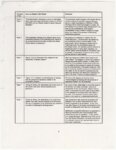
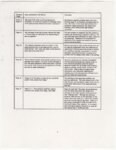
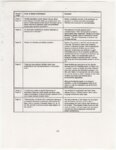
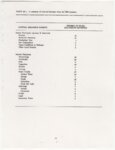
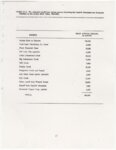
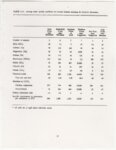
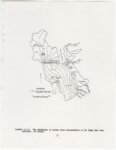
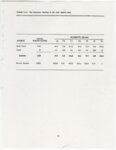
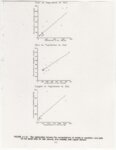
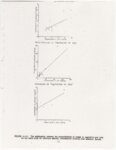
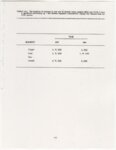
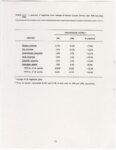
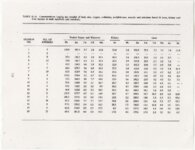
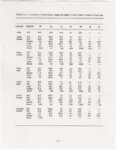
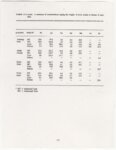
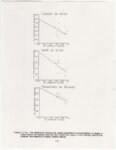
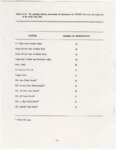
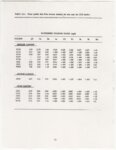
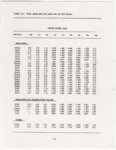
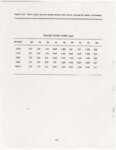
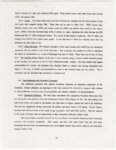
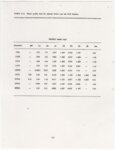
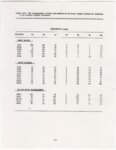
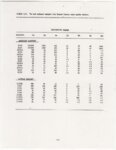
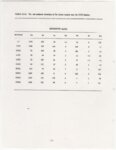
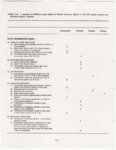
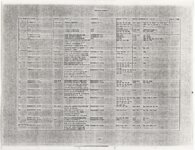
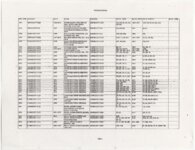
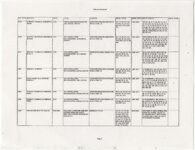
Show As stated before, relationships demonstrated in past studies between soil metal concentrations and vegetation metal concentrations suggest that v~getation contains elevated levels of metals to at least the extent of occurrence of soils exceeding the European criteria. This implication, coupled with the fact that livestock and wildlife ingest significant quantities of dust and topsoil while grazing, suggests that remedial action to reduce metal concentrations in soils and vegetation_and/or management strategies to minimize exposure of such animals until metal concentrations are reduced are necessary in order to achieve the maximum beneficial use of the site determined earlier in this report. 5.2 SURFACE WATER AND SEDIMENTS Section 4.2.3 and 4.2.4 described the extent and magnitude of contamination by heavy metals in surface water resources near the U CD smelter. There has been an enormous amount of literature produced on establishing surface water criteria for certain beneficial uses of aquatic resources. An attempt has been made here to summarize the most relevant criteria as they apply to the UCD smelter site. • These criteria can be seen in Table 5.2-1. • As a summary, all the surface water samples collected (with the exclusion of waste streams) were compared to these standards. The results of this comparison can be •seen in Table 5.2-2. • For the current MCL, arsenic was exceeded in 51% of the samples coll~cted, while cadmium was only_exceeded 9% of the time. Selenium was exceeded 32% of the time. For aquatic life protection, copper was exceeded in 89% of the samples, lead 55%, arsenic 21%, and selenium 14% of the time. The only criteria which could be found for wildlife was selenium, which was exceeded in 32% of the samples. Livestock watering and irrigation had about the same percent exceedances for each ·metal ranging from 0-~% for lead to 16-29% for arsenic. It appears from this comparison that depending upon the beneficial use, both current and future, there are potential impairments to the natural resources relative to surface water. Depending upon the metal and location of exceedance, this could have important implications relative to KCC (i.e. - selenium in the wetlands relative to migratory ducks). The bed sediments have no specific criteria at this time. However, it has been a common practi~ to compare sediments to the soil criteria. This has b~en done in Table 5.2-3. These data indicate that to some degree, the bed sediments of the ephemeral drainages, ponds and wetlands exceed the criteria summarized in Table 5.1-1. For example, arsenic levels exceed the European criteria 71 % of the time, while the arsenic concentration found to be toxic. to plants was exceeded in 43-83% of the observations. 183 |