| OCR Text |
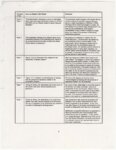
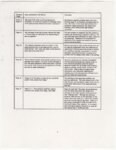
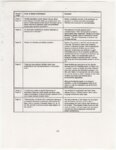
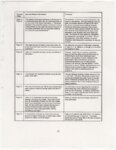
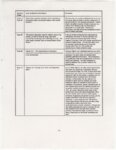
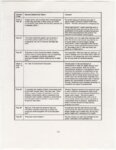
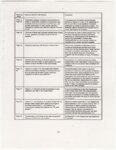
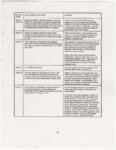
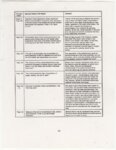
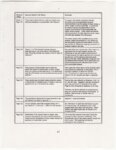
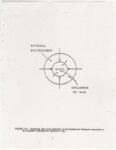
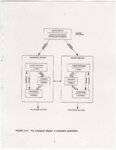
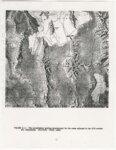
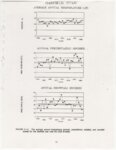
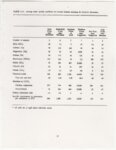
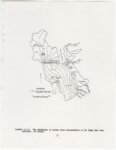
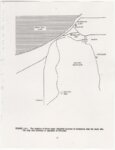
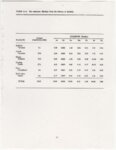
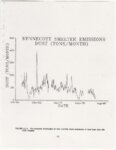
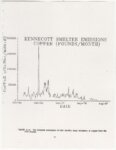
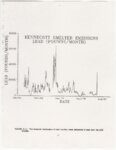
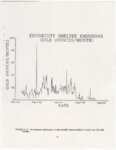
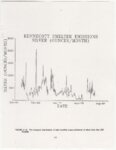
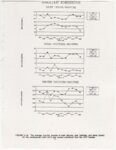
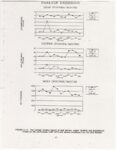
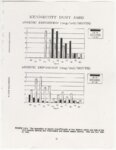
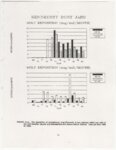
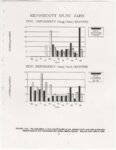
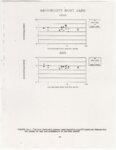
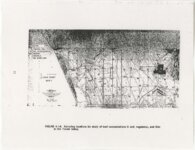
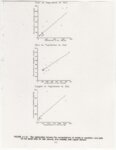
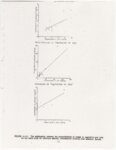
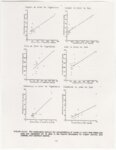
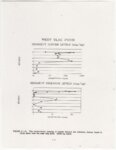
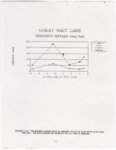
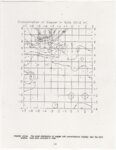
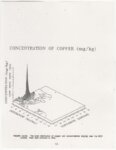
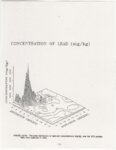
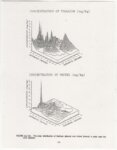
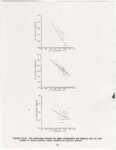
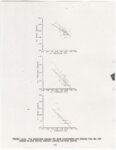
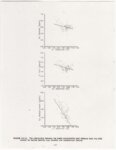
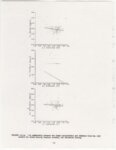
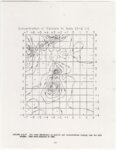
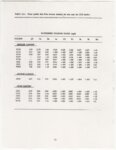
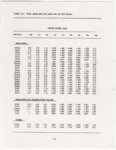
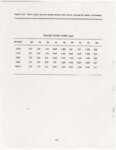
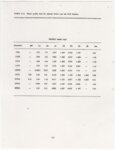
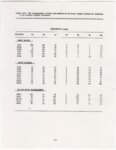
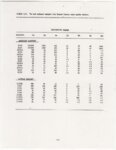
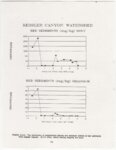
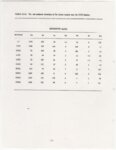
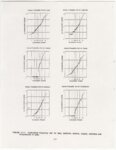
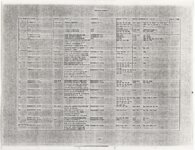
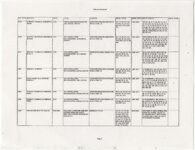
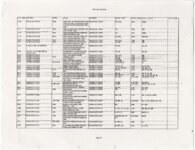
Show • Chapter /Page Issue as Stated In the Report Comment Chapt. 3 Page 65 "These data represent estimates of the magnitude of atmospheric fallout at selected stations near smelter canyons.• The text does not provide a reference for the source of dust jar data nor does it provide _a description of sample collection and analysis procedures. Factors which may affect volumes of dust In d1,1st jars Q.e., rainfall, wind direction) are not mentioned or accounted for in these data. Without this information, the data should be considered suspect and of limited usefulness. Page 65 "The arsenic deposition rates for stations close to the smelter, as well as those far away, have been consistently decreasing since 1972 (Figure 3.2-4). The other metals reviewed have not demonstrated similar trends.• If annual smelter emissions have decreased as dramatically as shown in Figure 3.2-9 then one would expect proportional decreases of these metals in dust jars, if the UCO smelter were the sole source of these metals. The fact that other metal do not show similar trends would imply that sources other than the UCO smelter are contributing to metals content in dust. • Page 69 "Figure 3.2-1. The mechanisms of wind-blown transport of contamina~.d materials and their movement in the environment. Although Figure 3.2-1 describes pathways by which contaminants would move from a source to point of _exposure, this report does not address these identified pathways individually. This is necessary to quantify the mass an(f concentration or transport along each pathway. tt is also necessary to quantify potential risk to human health or the environment. Page 7277 "Figures 3.2-4 through 3.2-9, 'Oust Jar• Deposition • Rates• In all of these figures, the data points representing •3a miles• are apparently mislabelled. Perhaps this should have been 3.8 miles. It would have been interesting to see if there was a correlation between deposition rates for the metals in question and the estimated annual emissions from the smelter complex. Unfortunately, the raw data are not provided to allow such an analysis, but visual inspection seems to indicate the lack of such a correlation. For example, copper emissions were at their highest levels (over the period of record) and remained relatively consistent from 1973 through 1977, yet copper deposition rates were at their lowest levels during this same time period. When the new smelter came on line in 1976, copper emissions dropped by 50 percent or more, yet the copper deposition in the dust jars generally increased, in some cases by over 100 percent. These data indicate that the dust jars were being influenced by factors other than timecontemporaneous smelter emissions. Although the text briefly discusses this point, it ignores the fact that emissions from this and other smelters probably deposited far larger quantities of these heavy metals prior to Kennecott ownership than after. I '• 14 |