| OCR Text |
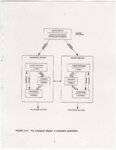
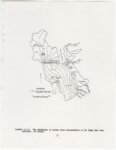
Show 1.0 INTRODUCTION i . .' In recent years, the restoration or reconstruction of ecosystems has become increasingly important. , ... .: .. ,,. i·. ' However, much of the effort has been spent in the reconstruction or restoration of only a portion of the physical, chemical or biological environment. The results of this fragmented approach have met with mixed success. In some cases, success has been extremely costly both in initial capital outlay and in continual maintenance expenses. A major problem has been the long term stability of the physical environment and the biological restoration of the target systems. As a result of metal smelting and refining activities, portions of three watersheds located on the north end of the Oquirrh Mountains have been visibly affected. A reclamation plan for the watersheds is needed which will insure a physically stable environment and high quality water for the wetland ecosystems at the base of these drainage basins. : . ... . , The procedure presented in this report attempts to overcome some of the physical, chemical and biological problems encountered in other studies and the limitations of previous approaches described in the literature. It is the major overall goal of this project to d(?velop geomorphologically and ecologically sound restoration strategy for the Kessler Canyon, Black Rock Canyon and Little Valley watersheds and the wetland complexes associated with them. Several -specific objectives are: 1. To develop restoration methodologies which incorporate· sound geomorphologic and ecological principles. 2. To apply these methodologies to the design of interdependent terrestrial watersheds and aquatic wetlands. 3. To define the limiting ecosystem component and determine the most cost-effective remediation (hazardous or nonhazardous characteristics). An inspection of the available literature indicates there is information concerning the restoration of aquatic systems (Carley, et al. 1983) and terrestrial environments. However, the relationship between systems, with the restor~d aquatic environment being directly dependent upon the reclamation of the terrestrial system, presents a unique set of problems. This circumstance dictates a unique approach, with 1 -·: the beneficial use of the aquatic system being instrumental in determining the methodologies employed on the surrounding watershed. The conceptual approach described below and the subsequently detailed reclamation plan is based upon several key assumptions. They are: 1. The biological components of the reconstructed ecosystem interact with and are affected by the physical environment (Figure 1.0-1). |