| OCR Text |
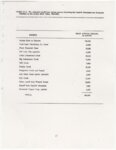
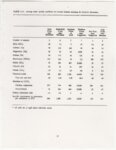
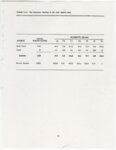
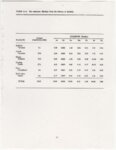
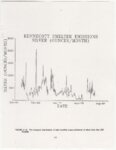
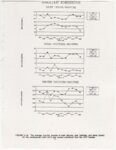
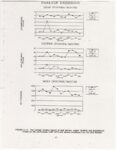
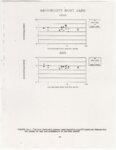
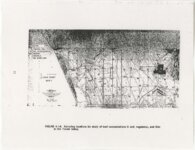
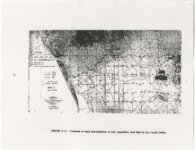
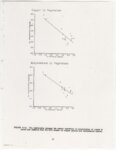
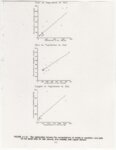
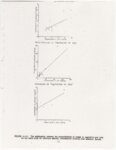
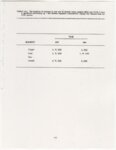
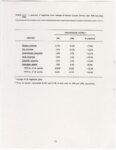
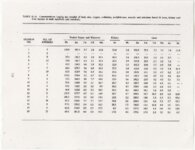
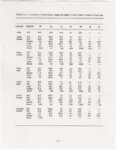
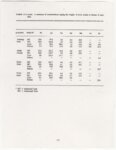
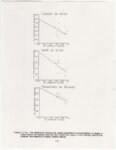
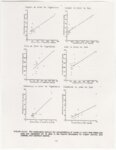
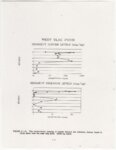
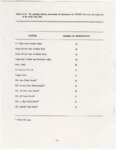
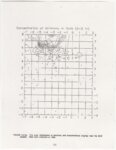
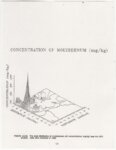
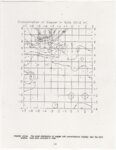
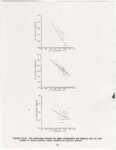
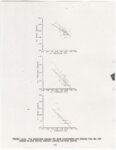
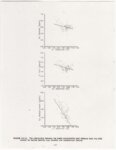
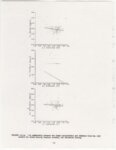
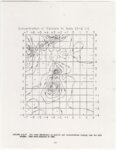
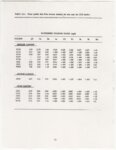
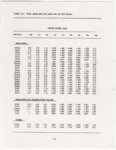
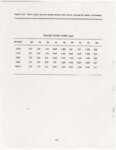
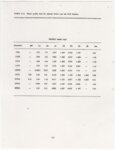
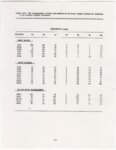
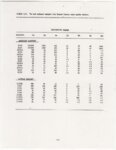
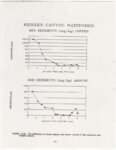
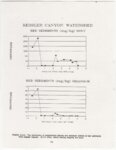
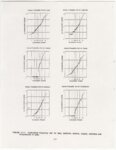
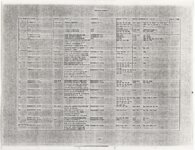
Show liver tissue and .selenium in kidney tissue were significantly inversely related to the distance to the UCO smelter (Table 4.1-6, Figure 4.1-12). Significant linear regressions (slope) were found between concentrations of cadmium, zinc and copper in the liver tissues of the rodents and soil and between these tissues and vegetation (Table 4.1-6, Figure 4.1-13). •Concentrations of metals in tissues of mule deer were similar to those found in the two rodent species. Pathological abnormalities could not be related to metal concentrations in any of ·the species. An additional study of lead poisoning in horses was also conducted by Shupe (2061) near the Oquirrh Mountains in the vicinity of the Kennecott operations. Substantially higher levels of lead were found in the blood of some horses near the UCO smelter when compared to those from more distant locations and a control group at Utah State University, Logan, Utah. One horse showed definite signs of acute lead poisoning. . The path of contamination was not identified but aerial deposition of lead on vegetation and soils from the U CD smelter was hypothesized as a source. 4.1.3 Surface Water The presence of heavy metal contaminants in the ephemeral discharges of Kessler Canyon, Black Rock Canyon, and Little Valley have not been historically determined. The lack of this information represented a major data gap in this investigation. It was noted in Section 3.2.2 that process wastes have been and are being discharged into severai ponds near the slag pile. Several water samples have been taken: from these p~nds. The results of those analyses can be seen in Table 4.1-7. They indicate extremely high concentrations of copper, arsenic and zinc in the water. In addition to the water chemistry data, there has been one study of the bottom sediments in the west slag pond. These data have been graphed in Figures 4.1-14 and 4.1-15. A total of four cores were taken during June, 1979. The cores had similar lithology. Two peaks in concentration were encountered with depth. The first peak occurred between 1-6 inches below the surface while the second was 2.5 feet in depth. Highest concentrations (mg/kg) of arsenic, copper, and_ selenium were found at the surface peak while lead had a maxhnum concentration at 2.5 feet. The concentrations found in the pond ·represent elevated levels of metals. Based upon the stratigraphy of the cases, relatively uncontaminated levels were found from 6-7 feet below the surface. • As noted in Section 2.1.4, the major water flow patterns in the area are from the canyons to the wetlands and the Great Salt Lake via the Garfield drain, Kennecott drain (C-7 ditch) and Lee Creek. An investigation into the available STORET database indicated that date are available for 13 stations in or near. 108 |