| OCR Text |
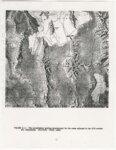
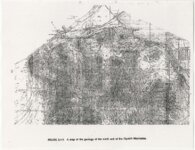
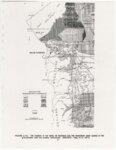
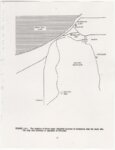
Show i. ' gravelly soils on lake terraces ~d terrace breaks. These soils formed in mixed alluvium derived from acid igneous rocks, mainly quartz monzonitc and quartzite. On the mountain slopes south of Little Valley, a combination of soils ~ccurs. These soils include . the Henefer-Harkcrs as~ociation, moderately steep (HKF); the Wallsburg very cobbly loam, 30 to 70% slopes (WAG); Gappmayer very cobbly loam, 30 to 60% slopes (GEG); and the Gappmayer- Wallsburg association, very steep (GGG). On south facing slopes, the Bradshaw-Agassiz association, steep slopes (BEG) is the major soil type. The Henefer-Harkers association is composed primarily of well-drained Henefer soils. These soils formed in residuum and colluvium from igneous rocks. The Harkers soils have been described previously. The Wallsburg very cobbly loam is a well-drained soil with a very cobbly subsoil. It formed in residuum and colluvium derived from sedimentary rocks. The Gappmayer soils are well-drained and occur primarily o~ northern mountain slopes. They formed in colluvium and residuum derived from mixed sedimentary rocks. The Bradshaw-Agassiz association occurs on south-facing slopes and formed in colluvium derived from weathered mixed sedimentary rock, mainly calcareous quartzites and limestones. On the benches to the cast of these mountain soils, the major soil types include the Harkers-Dry Creek association, moderately steep slopes (HOF); Pleasant Grove gravelly loam, 2 to 6% slopes (PhB); Timpanogos loam, 3 to 6% (TuB); Butterfield extremely stony loam, 5 to 50% (BFF); Butterfield soils, 0 to 25% (BuE); Bingham gravelly loam, 3 to 6% (BhB); and Bingham extremely stony loam, 0 to 25% (BkC). The Harkers-Dry Creek association occurs in drainageways on high ~uvial fans. It formed in colluvium and alluvium from mixed sedimentary rocks. The Pleasant Grove and Timpanogos soils occur on lake terraces. The Pleasant Grove soil formed in mixed gravelly alluvium derived from sedimentary and igneous rocks. The Timpanogos soil formed in mixed lake sediments derived from sedimentary and igneous rocks. The two Butterfield soils occur on south-facing mountain slopes and northeast-facing alluvial fan slopes below 5300 feet in elevation. • They formed in colluvium and residuum derived from andesite rocks. The Bingham soils occur on high lake terraces and alluvial fans and formed in gravelly alluvium from igneous and sedimentary rocks. Additional soils that occur farther south on the Oquirrh Mountains include Fitzgerald gravelly loam, 40 to 70% slopes (FGG) on north-facing slopes in the mountains; Dry Creek-Copperton association, sloping (DPD) and Dry Creek~Copperton association, moderately steep (OPE) on remnants of old alluvial fans at about 5100 feet in elevation; Dry Creek soils, 3 to 15% slopes (ORD) on high alluvial fans; and Daybell gravelly silt loam (DBG) on east and north facing exposures in the mountains. The Fitzgerald soil is somewhat excessively drained on very gravelly sandy clay loam subsoil. .40 It formed in: residuum and |