| OCR Text |
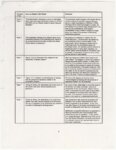
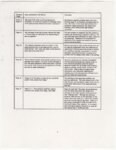
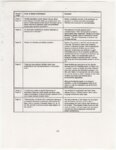
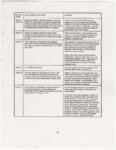
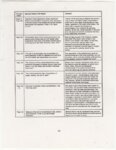
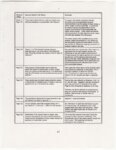
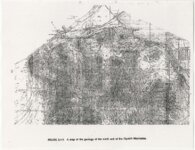
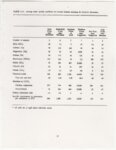
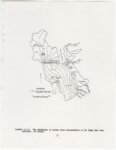
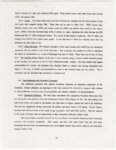
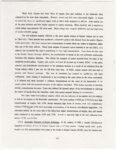
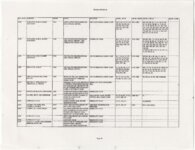
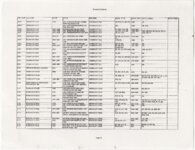
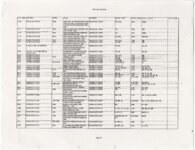
Show ' •' r l . .' Qolomite, quartzite, and limestone. Unit is about 3,041 feet thick; relative proportions of constituents uncertain owing to poor exposures. PPOS - quartzite and cherty limestone; quartzite is tan, medium bedded to massive, vitreous; well .. . ' jointed, with sandy partings, minor cross-laminations, commonly with ropy and warped layers; weathers ,· .. medium gray brown to dark brown. with some pitted layers; worm trails in some ferruginous sandstone interlayers. Chertr limestone, more abundant in upper part of unit, is medium dark gray to tan, thin to medium bedded; moderately fossiliferous (brachiopods, bryozoans, ·gastropods, crinoids, and fusulines) with some bioclastic layers. Unit 744 feet thick; ratio of quartzite to limestone slightly less than 2:1. P04 - cherty limestone and quartzite, medium-gray, thin- to medium- bedded, distinctly layered, cherty and fossiliferous cherty limestone (bryozoans, fusulines, brachiopods); forms prominent cliffs on the west • I• .... ,. ·: side of the Range at the top and base of the unit; dense, fossiliferous, and in part shaly and cherty limestone occurs with quartzite in the central part of the unit. Unit is 1,300 feet thick; ratio of limestone I · !· . ; ! • I to quartzite is about 3:2. P03 - limestone and quartzite; limestone is medium gray, medium to thin bedded, dense to sandy with argillaceous partings and chert nodules and lenses; locally very fossiliferous (brachiopods, bryozoans, corals, fusulines, crinoids), bioclastic layers common. Quartzite is brownish gray, medium bedded to massive, dense; cemented by silica; partly cross laminated, with sparse chert pods and lenses; weathers light brown. Unit is 1,682 feet thick; ratio of limestone to quartzite is about 3:1. P02 - limestone with quartzite and shale; the first major quartzite occurs at the base and is overlain by repetitive sequences of variable -thickness of limestone, shale, quartzite (or sandstone), shale, and limestone. Limestone is light to medium gray, thin to medium bedded; sandy bioclastic interlayers locally are cross laminated; chert nodules and irregular lenses are .sparse; fossils (brachiopods, corals, bryozoans, crinoids, and fusulines) are abundant. Argillaceous limestone is platy and grades into carbonaceous shale within chert layers. Quartzite is medium light gray to buff, thin to medium bedded; locally cross laminated, breaks with conchoidal fracture whether cemented by silica or cal~te; contains sparse chert layers; generally weathers light olive gray to reddish brown. Unit is about 590 feet thick; ratio of limestone to quartzite to shale is about 2:1:1. POl - limestone; medium to dark gray, thin to · thick bedded intermixed dense, sandy limestone (in part bioclastic) and minor shaly layers; chert nodules common in upper part, sparse in lower section; cross laminations common in sandy layers; extremely fossiliferous (brachiopods, corals crinoids, bryozoans, and locally fusulines, of Early Pennsylvanian age). Base not exposed in the 2,388 feet measured, but the contact with Manning Canyon shale lies approximately 350 feet below the observed section. 22 - |