| OCR Text |
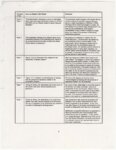
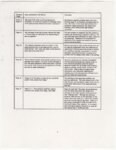
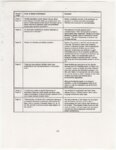
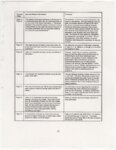
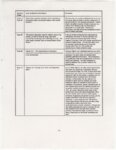
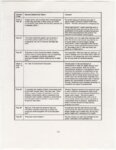
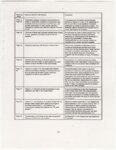
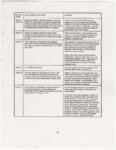
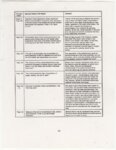
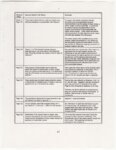
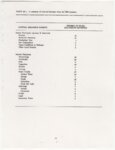
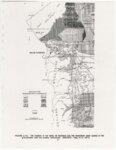
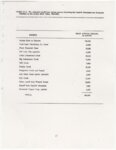
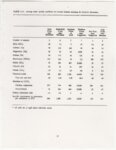
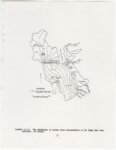
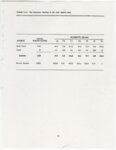
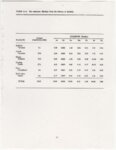
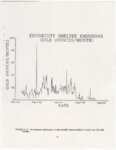
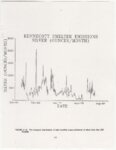
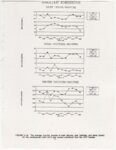
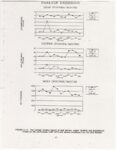
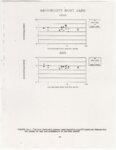
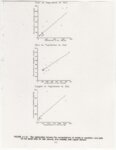
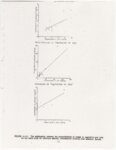
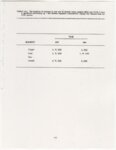
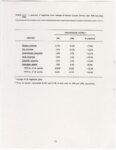
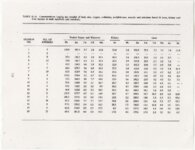
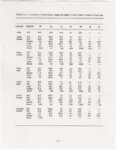
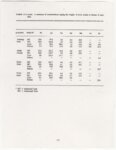
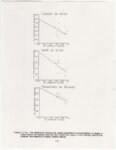
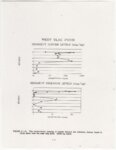
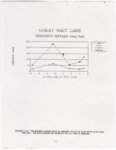
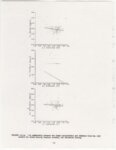
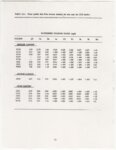
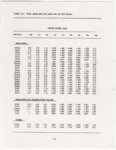
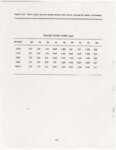
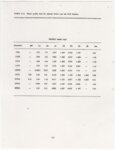
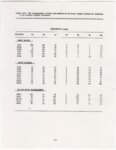
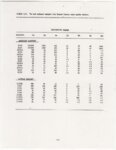
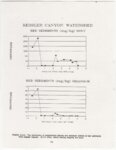
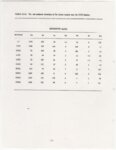
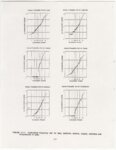
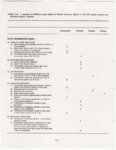
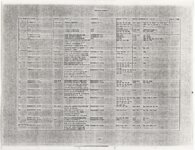
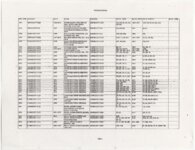
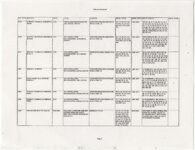
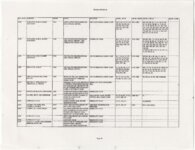
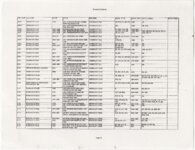
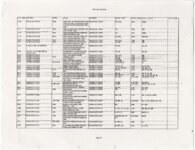
Show Chapter Issue as Stated in the Report Comment Chapt. 2 Page 29 'These major differences are the result of process waste streams augmenting natural flows in the Cr7 dftch. • The data presented which compare peak and baseline flows in the C-7 ditch and the Goggin drain do not allow an unqualified conclusion that the "difference is due to industrial discharge. Contributions from the local ground water system (discharge to drains) has not been accounted for, and could explain higher baseline conditions for the C-7 ditch. The Goggin drain may be underlain by sediments with low,er hydraulic conductivity and not receive a similar quantity of ground water discharge. This would result in a greater peak to . baseline response following storm events. Page 29 Water from areas not associated with mining activities (Rose Creek, Dry Fork, Coon Creek) is of a calcium bicarbonate type with dissolved solids in the range of 20~500 mg/L. Waters from areas associated with mining activities (Butterfield Creek, Keystone Gulch, Bingham Creek) is of the calcium sulfate type with a dissolved solids content in excess of 900 mg/L. • First, this statement is irrelevant to the objective of this study as only Coon Creek is on the north end of the Oquirrh Mountains. Data presented are not relevant to site conditions in the three watersheds above the UCO smelter, or adjacent wetlands. Page 3Q "Figure 2. 1-11 Average monthly flows for the Kennecott drain (Cr7 dftch) and the Goggin drain• No period of record is given for the information presented. If the data are for only one year .of record, there could be many possible explanations for the differences shown in the two graphs. For example, a rainstorm or weather front in June of whatever year the data are taken from could easily explain the peak flow during that month. Similarly, the apparent drop in flow in the C-7 ditch during July could be related to operational changes or variations in the amount of material processed. The conclusions· drawn from this figure (page 29) are inappropriate and poorly founded. Page 31 'Table 2. 1-2 Average water qualfty conditions for several streams draining the Oquirrh Mountains• It is inappropriate to compare water quality results from Bingham Creek with the other drainages, since a) Bingham Creek surface waters result from active leaching operations and b) there is no flow down Bingham Creek since it is all intercepted at the Large Bingham Reservoir. The same is true, although to a lesser extent, with Keystone Gulch. The text (page 29) is incorrect in stating that the Dry Fork is from areas not associated with mining activities. /Page . Page 31 Secondly, these statements imply the difference in water chemistry is a result of mining activity. Difference could be the result of the weathering of different rock types and sediments. This should have been considered in the analysis of ·data. This set of data lack the single most Important water quality parameter, pH. Also lacking are potassium, fluoride, and carbonate. These parameters, in addition to those on Table 2.1-2, comprise the general water quality parameters required for a complete geochemical evaluation _ of major ions. No reference is given for data presented. Similarly no sample collection-or analysis methods are given in the text. 'Table 2. 1-2 Average water qua/fty conditions for several streams draining the Oquirrh Mountains.• 8 |