| OCR Text |
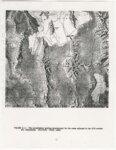
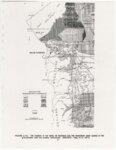
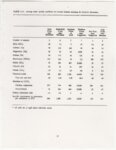
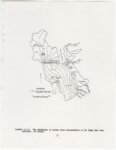
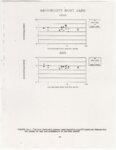
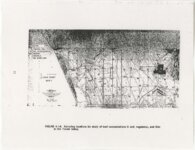
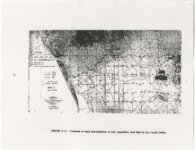
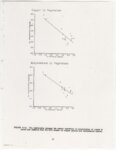
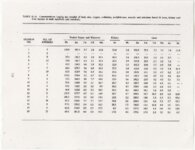
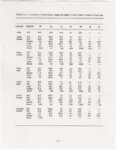
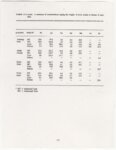
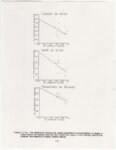
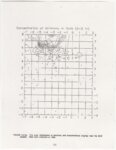
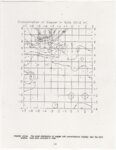
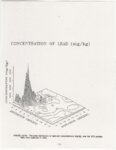
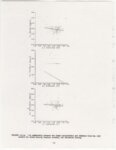
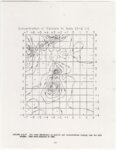
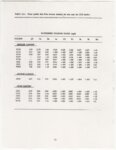
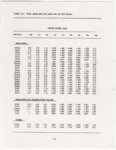
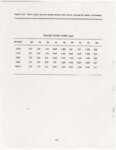
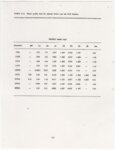
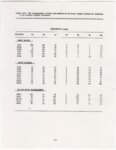
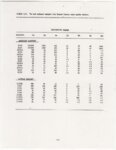
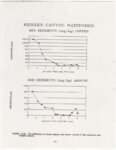
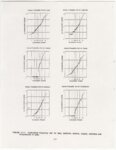
Show 8,000 years ago. The European criteria for lead concentrations in soils is 100 mg/kg. The standard used by the Colorado Department of Health at hazardous waste sites in Colorado for soils requiring some form of . remediation was 400 mg/kg. The standard used by the Colorado Attorney General for soils requiring • removal due to lead contamination was 1000 mg/kg. This is the source level used by EPA at the Midvale site· in Salt Lake City. Using 60 mg/kg as the background concentration and 100, 400, and 1000 mg/kg as varying levels of concern, the concentrations of lead in soils collected by ERI were examined. The data .indicate that 4 16.7% of the soils sampled in the vicinity of the Kennecott smelter exceed the level at which removal was required in Colorado (1000 mg/kg). Forty-two percent of soils sampled contain lead in excess of the level at which some remedial action was required (400 mg/kg). Soils exceeding the European criteria for lead (100 mg/kg) included 86.7% of .the soils sampled and 913% of the soils exceed a background level of 60 mg/kg. The extent of area represented by soils exceeding these levels of concern for lead concentration may be examined by referring to the contour map in Figure 4.2-7. The Colorado Department of Health specified that 3 mg/kg was the level of cadmium in the soil at which removal ~as required at hazardous waste sites in Colorado. This concentration also corresponds to the European criteria for th4 metal. From the cumulative frequency analysis, it is apparent that 25 of the soils sampled contained less than one mg/kg of cadmium and 25% of the soils sampled contained less than 2 mg/kg (Figur~ 5.1-1). These data support the use of 1.5 mg/kg as the background concentration in soils unaffected by smelter emissions as suggested by Fletcher (1977; 1984). With these standards, it was determined that the cadmium in 64.7% of the soils sampled in the· fall of 1988 •exceed the level at which removal was required by the Colorado Department of Health (3 . mg/kg). A total of 83.3% of the soils sampled -exceeded b~ckground levels of cadmium. The Colorado Department of. Health did not specify action levels for arsenic, copper, selenium or molybdenum. In determining the background levels of arsenic in the soil, the cumulative frequency analysis indicatecLJ.hat over ~% of the soils contained arsenic in levels below the detection ~ t of the analysis which was 10 mg/kg (Figure 5.1-1). A few soils in the population _with the lowest concentrations contained 10 to 20 mg/kg. With this evidence, Fletcher's suggested value of 12 mg/kg was accepted as background. The European criteria is 20 mg/kg and levels lethal to animals have been found in vegetation growing in soils with more than 322 mg/kg of arsenic. The soil concentration of arsenic at which lethal levels occur in vegetation is exceeded by concentrations in 15.3% of the soils sampled in the vicinity of the smelter. 181 The European criteria is :, ·.. |