| OCR Text |
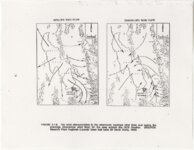
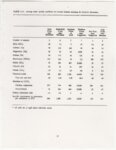
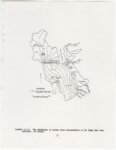
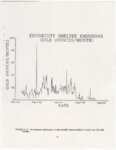
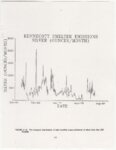
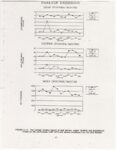
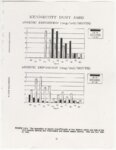
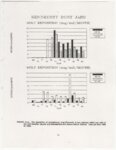
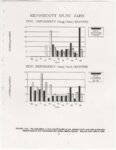
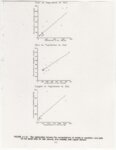
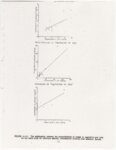
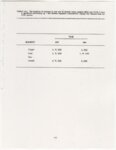
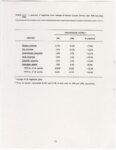
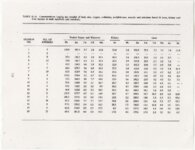
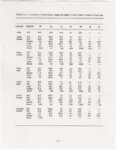
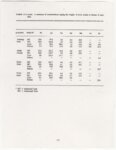
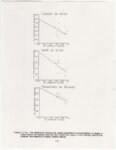
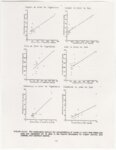
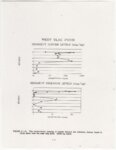
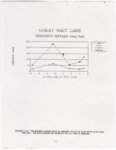
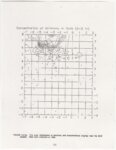
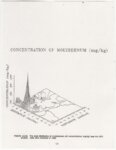
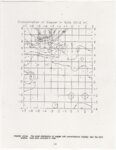
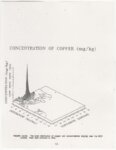
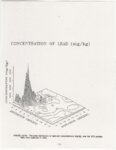
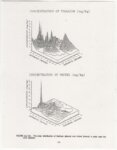
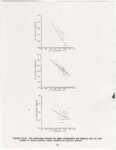
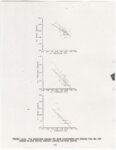
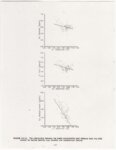
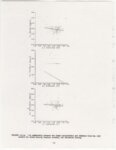
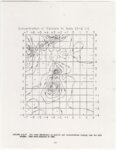
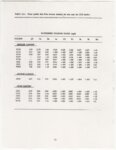
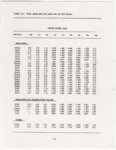
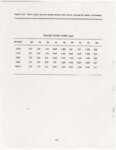
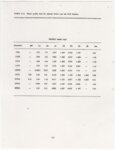
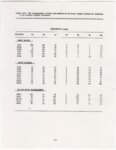
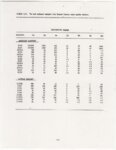
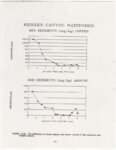
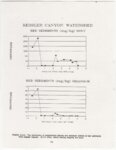
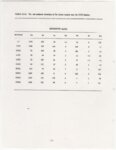
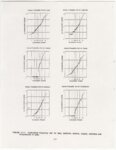
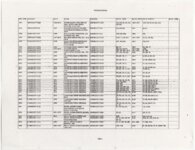
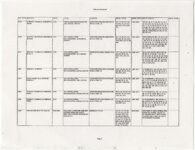
Show the entire 1.5 hour event. The data are provided in Table 4.2-10 and in Figures 4.2-22 through 4.2-25. Concentrations of copper in the water ranged from 238 mg/I to 6,200 mg/1. Arsenic (11.0 mg/I), lead (29.9 mg/I) and selenium (3.36 _mg/I) had similar high values. The concentrations encountered _in this natural runoff event exceeded concentrations observed for process wastes (Table 4.2-5). - Using the flow measurements, mass loadings were calculated to be as high as 345 kg Cu/minute, 0.192 kg As/minute, .625 kg Pb/minute, and 0.071 kg Se/minute. These large mass export estimates can be seen ·in Figure 4.2-22 through 4.2-25. These loadings were deposited into smelter pond west and represent a significant contribution of metals to this wetland. The data are consistent with the concentrations found in Kessler Canyon sediments at Stations KCOO and KC0l prior to the storm event (Table 4.2-9). • 4.2.43 Wetland and Pond Sediments. The data in Table 4.2-11 indicate that .the sediments in the wetlands at the base of Kessler Canyon are extremely high in concentrations of heavy metals. The pattern of contamination of the sediments is exactly the same as the pattern reflected by the surface water samples. For example, ponds HY04 and HY05 (Table 4.2-11) arc receiving waste froin the acid plant via station GS0½ (Table 4.2-12). Selenium levels of 327 mg/kg were found in HY0S. These ponds drain into HY02 and HY03 and the slag ponds, all of which have elevated metal levels. Stations SPEOl-04 and SPW0l04 also show high metal concentrations. Concentrations found in the west slag pond (SPW0l-04) are in excess of -7500 mg/kg of Cu, 2200 mg/kg of Zn, 520 mg/kg As, and 1260 mg/kg of Pb. The ponds to the east of the slag pile, HY06, HY07 and HY08 also have high levels of copper and arsenic. In comparison, the concentrations of metals in the watershed ponds (although elevated) are much lower than the wetland ponds. As previously discussed, KC04 is the exception: Its levels are comparable to the wetlands. Inspection of the three lower ponds indicates that the sediments have been recently removed. or diluted by parent material. KC04 has not been dredged in a number of years, thus allowing a build-up of metals to occur. 4.2.4.4 Drains. As noted in the water quality section of this report, th~ drains remove water from the interconnected wetlands. These drains also show bed sediment contamination. The highest overall concentrations w~e found in drains SPE03 and 0201 which funnels water from the entire wetland complex into the C-7 ditch. The bed ~ediments in the drains appear to reflect ~e water in transport and the compounds in the waste streams (Table 4.2-13). 4.2.4.5 Great Salt Lake. The distribution of heavy metals along the shoreline in the sediments of the Great Salt Lake indicates that both the C-7 ditch (Kennecott drain) located at station GSLOO and the old Garfield drain (at station GSLW04) have contributed heavy metals to the lake (Table 4.2-14). The highest concentration of copper was found adjacent to the C-7 ditch (station GSLOO). 167 The second highest |