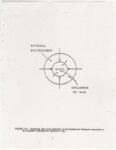
| OCR Text |
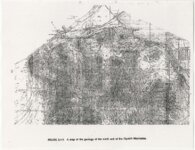
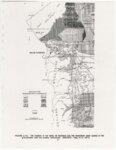
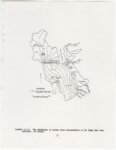
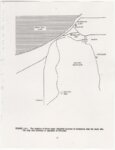
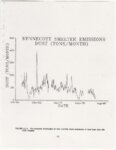
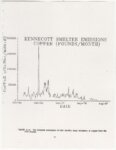
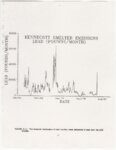
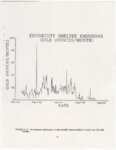
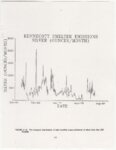
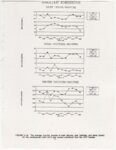
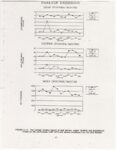
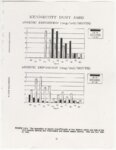
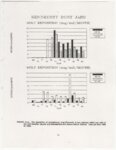
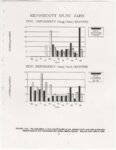
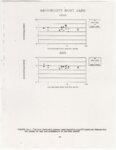
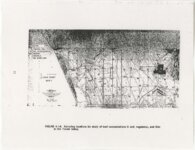
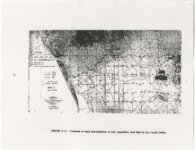
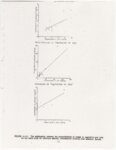
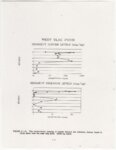
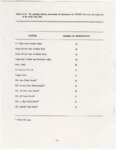
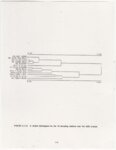
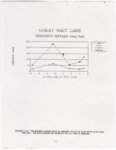
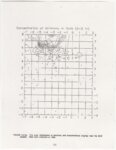
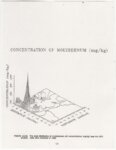
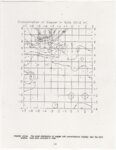
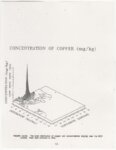
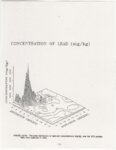
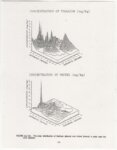
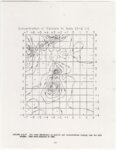
Show 3.0 . ; '• . . SOURCES AND TRANSPORT OF HAZARDOUS MATERIALS During the last two decades, the Kennecott Copper Company has been conducting extensive environmental monitoring programs. The vast majority of these programs have revolved around air quality (2002-2037). ;:·.. : t. . L ; A preliminary review of several key sources of information (2089 and 2062) reveals significant heavy metal concentrations in the environment adjacent to the Utah Copper Division Smelter (UCO). These studies, -combined with a preliminary reanalysis of available information, indicate the UCO smelter has been, and is a source of elevated metals (Cu, As, Pb, Cd, Mo and Se) in soil and surface water adjacent to the smelter. The data also indicate that the influence of the UCO smelter (present and historical) extends outward in all directions for up to 20 kilometers. The levels of some of these elements found in the soil and water resources exceed levels of concern established by EPA and are at or exceed i. I. .·.,, ~. I. # h ~. • • :J levels creating a cause of action for recovery of Natural Resource Damages (CERCLA) in recent cases in Colorado. Based upon these preliminary observations, and the levels of heavy metals involved, the reclamation process must address these hazardous substances (F1gure 1.1-1) . . The first step in this process is to define the sources; elements of concern and mass contribution. This will allow an assessment of liability. -I~ • addition, it allows the restoration process to focus on mitigating and controlling migration pathways (Section 3.2). 3.1 SOURCES This section of the report will focus on the sources of contaminants associated with the smelting activities at the north end of the Oquirrh Mountains. 3.1.1 SpatiaVfemporal Source Distribution The purpose of this section of the report is to characteriz.e the spatial and temporal distributions of heavy metal emissions from the various activities in the study area. This review attempts to document • the relative contribution of heavy metal pollutants as they affect the natural resources in the smelter watersheds and the associated wetlands and Great Salt Lake environments. 52 |