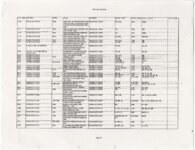
| OCR Text |
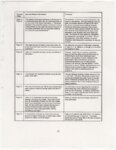
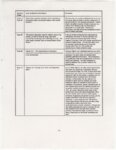
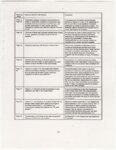
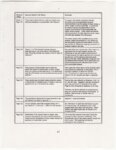
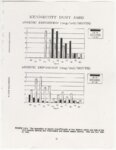
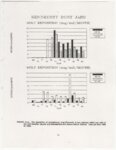
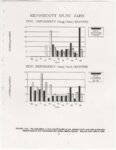
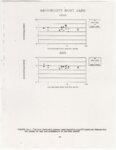
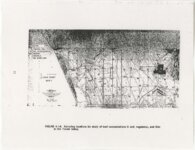
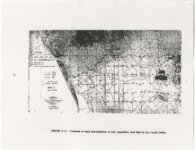
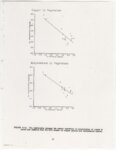
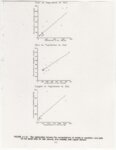
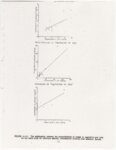
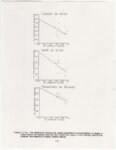
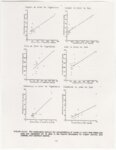
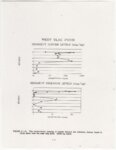
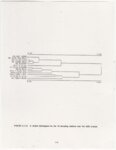
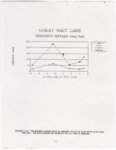
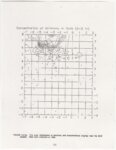
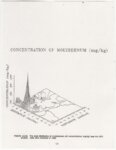
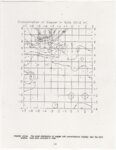
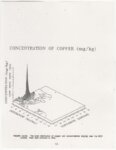
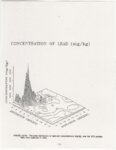
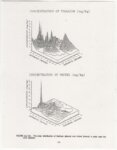
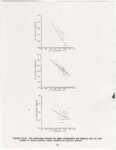
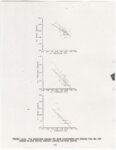
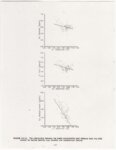
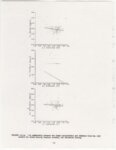
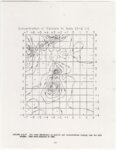
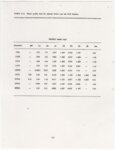
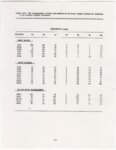
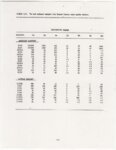
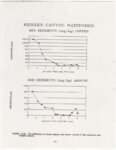
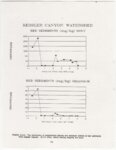
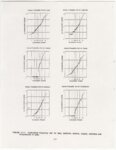
Show Chapter laaue as Stated In the Report Comment Chapt. 4 Page 96 'The greatest extent of elevated levels of arsenic in the soil occurred along the NE and ESE transects• tt is interesting to note that the wind rose presented on page 18 shows only minimal wirid components Page~ -Significant inverse relationship between natural logarithms of soil metal concentration and distance from the smelter have been demonstrated for arsenic, copper, lead, molybdenum, selenium, and zinc for at least one direction (south).• This conclusion contradicts wind rose data presented in Figure 2.1-5 which shows winds from the north only occur ten percent of the time and winds from the north-northwest eight percent o_f the time. Significant trends would be expected in directions of predominant wind flow. Page 96 'Concern regarding the impact of such -disposition on the agricultural industry operating in the vicinity of the UCD smelter resulted in sampling of alfaHa crops and analysis of samples for metal concentrations from 1969 to 1980. • No methods. for crop sampling are described. Metal concentrations in vegetation could have been the result of dust containing metals and not a result of crop uptake. These effects are quite different and must be separated as they provide different potential hazards to the environment and biota. No information for the 1978 study are presented to support observed trends and substantiate conclusions. Page 96 ,n 1985, the smelter was not operating during the growing season. Greatfr, reduced levels of arsenic, copper, and lead in vegetation compared with previous years indicated that the majority of the metal measured in vegetation during previous studies was dust. deposited during the current growing season.• This is another example of not rigorously examining the data, but instead jumping to pre-determined . conclusions. There is no evidence presented to indicate that the two data sets are at all comparable. Were they collected at the same time in the growing season. Were the same plant parts sampled? Were the plants of similar height and vigor? Were comparable analytical methods used? What were the antecedent moisture and wind conditions for each sampling e9ent?. The answers to each of these questions are needed in order to make a valid comparison of the data sets. /Page - from the complementary directions (SW at 8 percent and WN'W at 4 percent). tf one buys into the author's premise, one would have expected the greatest correlation of arsenic concentrations to be in the directions complementary to the major wind components, i.e., east winds driving arsenic to the west and WSW winds driving arsenic to the ENE. Such dust would not present an endangerment if the dust was wasted from the crop during precipitation events, or had fallen from the crop during the harvesting process. Harvested crops should have been sampled. Page 97 Decreased concentrations during 7985 also indicated that redistribution of soils containing elevated metals as dust was not a major source of metals to vegetation. 19 This contradicts conclusions made on page 78 which cite resuspension of metal contaminated soils as a mechanism for justifying constant metals levels in dust jars, over many years., in spite of reduced smelter emissions. |