| OCR Text |
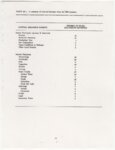
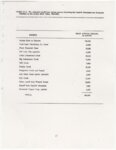
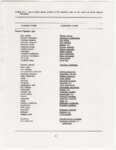
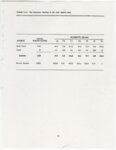
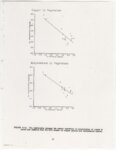
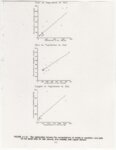
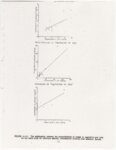
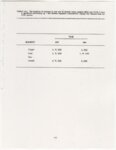
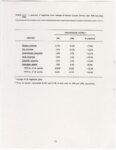
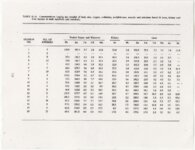
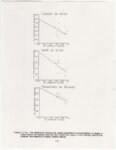
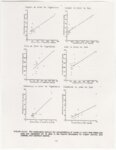
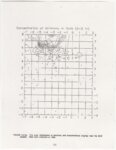
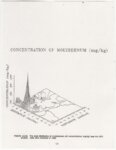
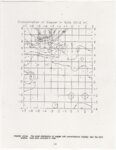
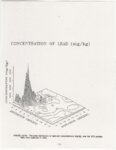
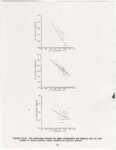
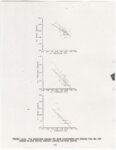
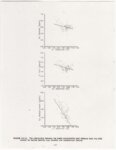
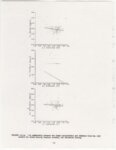
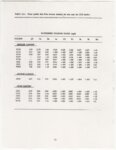
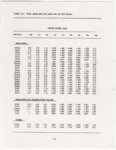
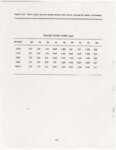
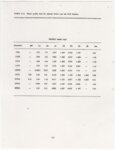
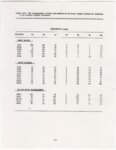
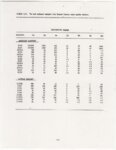
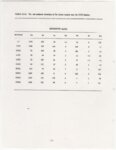
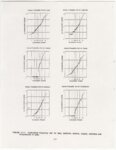
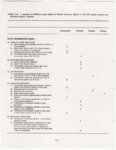
Show 5.0 CRITERIA AND LEVELS OF CONCE RN In this report, a wide range of heavy metal concentrations for a number of ecosystem components have been described. In this section, these concentrations will be compared to potential applicable or . relevant and appropriate criteria for the U CD site. It should be noted that the "levels of concern" must . , ... be evaluated in terms of natural resource damage assessment as well as human exposure. 5.1 SOILS In determining levels of concern for concentrations of metals in soils, several sets of information were considered. In order to determine background concentrations of metals in soils not subject to input from industrial sources, a cumulative frequency analysis of soil metal concentrations was performed. ~- this analysis, logarithmic concentrations of metals ~ere plotted against cumulative frequency on a logarithmi c probability scale. If the sources of each metal were the same for each site, the resulting plot would be a straight line. Discontinuities or changes in slope of this line represent different populations of data and indicate different (or additional) sources of the metal. The cumulative frequency analysis provided information regarding background soil concentrations of lead, arsenic, copper, cadmium, selenium, and. molybdenum. Other criteria levels used included action levels specified by the Colorado Department of Health for soils requiring remediation or removal during natural resource damage assessments and the ~uropean criteria for soil metal concentrations. This standard generally agrees with levels of metals in soils at which toxic symptoms appear in some plants and levels in soils at which toxic symptoms appear in livestock grazing the vegetation supported by those soils. A summary of values for these criteria used for metals in ·this study •is presented in Table 5.1-1. There appear to be four populations of lead concentrations (Figure 5.1-1). The maximum concentration in the population with the lowest concentrations is approximately 60 mg/kg. Only 15 locations had soils with concentrations less than 60 mg/kg. However, the next lowest . population of concentrat ions included soils with • concentrations in excess of 1000 mg/kg, which could not represent backgroun d conditions. Sixty mg/kg corresponds to the value of 61 mg/kg suggested by Fletcher (1984) as backgroun d following analysis of concentrations in soils at the most distant sampling locations along the transects s~pled in his 1977 and 1984 studies. In addition, a sample taken from two feet below the surface in a side gully (SC02B) was found to be 10 mg/kg. This sample represented alluvial material deposited 10,000- 178 ..... • , · ·• · |