| OCR Text |
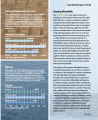
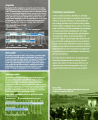
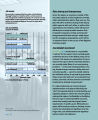
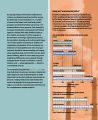
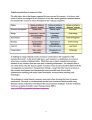
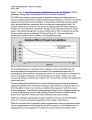
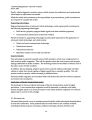
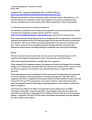
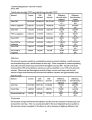
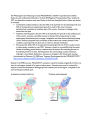
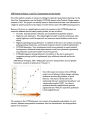
Show 6 1000 Friends of Oregon - Land Use, Transportation and Air Quality One of the earliest examples of scenario modeling for regional transportation planning was the Land Use, Transportation, and Air Quality (LUTRAQ) project in the Portland, Oregon region, initiated in 1991. The project was initially meant to demonstrate that there were alternatives to a highway project proposed in that region, but later became part of the MPO planning process. Because of its focus on a single highway project, the scenarios in the LUTRAQ project are somewhat different than the other projects profiled, but are as follows: No build. Includes present conditions and committed transportation projects. Highways only alternative. The subject highway facility would be constructed, other nearby highways would be improved, and some new transit facilities would also be added. Highways/parking pricing alternative. In addition to the above, new policies concerning parking pricing, transit fares, and demand-responsive transit would be implemented. LUTRAQ alternative. New development would occur primarily in transit oriented developments, additional transit improvements would occur (primarily operational), and pedestrian and bicycle facilities would be improved. LUTRAQ/congestion pricing alternative. In addition to the above, peak period congestion pricing would be implemented, plus additional sidewalk and bicycle facilities. (1000 Friends of Oregon, 1996, "Making the Land Use, Transportation and Air Quality Connection: Analysis of Alternatives: Volume 5.") One of the major innovations of the LUTRAQ project was its linking of urban design, including pedestrian and bicycling facilities, to travel behavior. The chart to the left shows the relationship between "pedestrian friendliness" and vehicle miles traveled (VMT). As it shows, pedestrian-friendly neighborhoods generate significantly less VMT per capita than pedestrian-hostile neighborhoods. The scenarios in the LUTRAQ project vary in terms of investments and policies. In each scenario, different transportation investments, land use characteristics, and transportation policies were assumed. |