| OCR Text |
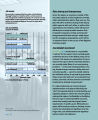
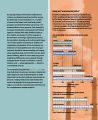
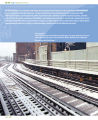
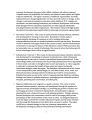
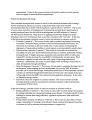
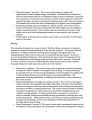
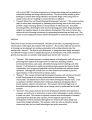
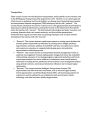
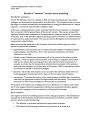
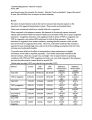
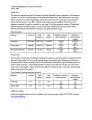
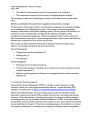
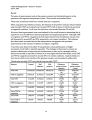
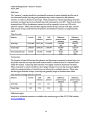
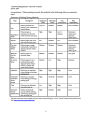
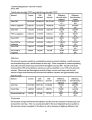
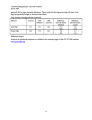
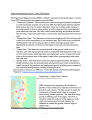
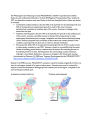
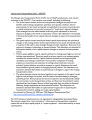
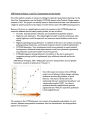
Show CMAP Modeling Results: "Preserve" Scenario June 8, 2009 14 Mode share The "preserve" scenario resulted in considerable increases in transit ridership and the use of non-motorized modes (bicycling and pedestrian trips) when compared to the reference scenario, as well as a decrease in auto trips. When compared to current tripmaking, all modes increased, and transit and non-motorized trips both increased by over 60%. Transit mode share increased from 10% in the reference scenario (as well as currently) to just over 13% in the preserve scenario. Please note that these figures include all trips, not just work trips, and the total amount of trips made between the preserve and reference scenarios are approximately equal. Trips by mode Measure Current 2040 reference 2040 preserve Difference, preserve minus reference Difference, preserve minus current Auto trips 23,519,460 28,377,431 27,364,630 -1,012,801 3,845,170 -4% 16% Transit trips 2,400,810 3,069,106 3,935,989 866,883 1,535,179 28% 64% Non-motorized trips 355,706 492,444 578,045 85,602 222,340 17% 63% Trip duration The duration of trips fell between the reference and the preserve scenarios for transit trips, but stayed the same for auto trips (the small increase noted is within the level of "statistical noise" within the model). Transit trip time reduction was largely caused by decreased wait times. When compared to current conditions, the average duration of an auto trip increased slightly, while the average duration of a transit trip was reduced by a moderate amount. Please note that this figure includes all trips; work trips are generally longer in duration than others. Trip duration (average minutes of travel) Measure Current 2040 reference 2040 preserve Difference, preserve minus reference Difference, preserve minus current Auto trips 21.7 22.1 22.2 0.1 0.7 < 1% 2% Transit trips 35.2 37.5 32.5 -5.0 -2.7 -13% -8% Additional analysis Analysis of additional measures is available in the scenario pages of the GO TO 2040 website, www.goto2040.org. |