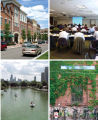
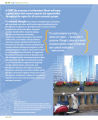
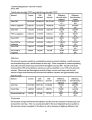
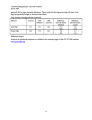
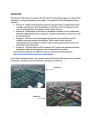
| OCR Text |
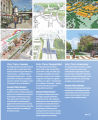
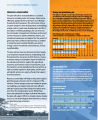
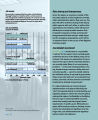
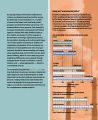
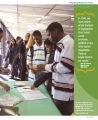
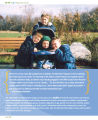
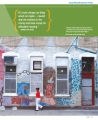
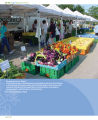
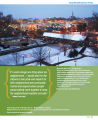
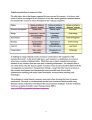
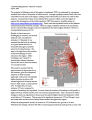
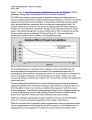
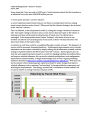
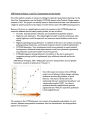
Show Chicago Metropolitan Agency for Planning Local infrastructure The many planning decisions made at the local level have, in sum, major regional impacts. This section describes the approach of go to 2040 to community livability, affordability, and conserva-tion of natural resources. The plan's overall intent in this area is to support the efforts of local govern-ments to improve livability within their communi-ties and to encourage a future pattern of more compact, mixed-use development that focuses growth where infrastructure already exists. Local control It is important for local control of land use to contin-ue, and none of the plan's recommendations should be interpreted as conflicting with this local respon-sibility. The plan will support intergovernmental coordination and cooperation, while recognizing that land use decision-making authority rests with individual local governments. Livable communities The region's development pattern is extremely di-verse, reflecting the unique characters of our many communities; growth between now and 2040 will be equally diverse. The plan will seek to accom-modate our region's growth in livable communities that are well-designed, walkable, and offer access to the region's assets. These outcomes can often be achieved through moderately dense, mixed-use development, and the plan will recommend that local governments pursue opportunities for de-velopment of this type, while recognizing that the interpretation and application of these concepts will vary by community. In this report, the definition of "denser" development is expected to differ between communities, but it generally means densities that are somewhat higher than prevailing patterns of development in that area. The use of high-quality design principles to guide denser development is A. B. PAGE 13 FPO - WALKABILITY FPO - ELDERLY Walkability number of households living in walkable communities, in thousands current households new households 0 500 1,000 1,500 2,000 2,500 preferred scenario 1,573,529 1,188,142 reference scenario 1,573,529 170,206 Source: Chicago Metropolitan Agency for Planning Walkability The design of our communities is critical for quality of life. The community-focused development pattern of the preferred Regional Scenario, and its support for alternative transportation, is expected to increase the number of people living in walkable communities, defined as those with a Walk ScoreTM (www.walkscore.com) of 75 or over. Effects on elderly and disabled residents Long-range planning must be sensitive to all members of all communities, including those with special needs or mobility restrictions such as elderly or disabled residents. The preferred Regional Scenario includes design features to improve the ac-cessibility of our region's communities, as well as investments in transit service and non-motorized transportation. These im-provements, as well as a mix of land uses that brings residences and destinations closer together, make it easier for elderly or disabled residents to get around their communities. Therefore the preferred Regional Scenario is expected to improve quality of life for elderly and disabled residents. |