| OCR Text |
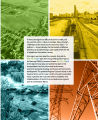
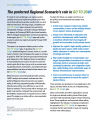
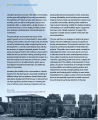
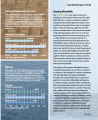
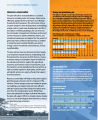
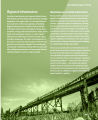
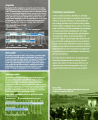
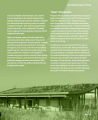
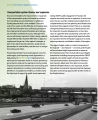
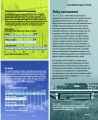
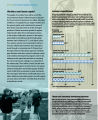
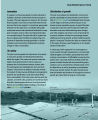
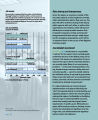
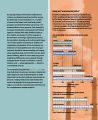
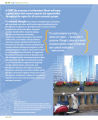
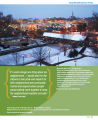
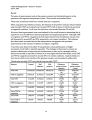
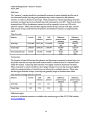
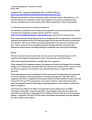
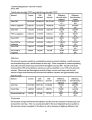
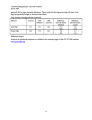
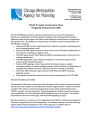
Show GO TO 2 04 0 Pr e f e r r e d Re g i o n a l Sc e n a r i o Data sharing and transparency Across the region, an enormous number of fed-eral, state, regional, and local agencies currently collect administrative data for their own use. The plan will call for real-time sharing of this data by public agencies with each other, as well as other organizations and residents, which will improve efficiency for a variety of public services. Such increased transparency of data and improved intergovernmental data sharing is vitally impor-tant for emergency preparedness, and it will be an important factor in the success of the Regional Indicators project. Coordinated investment go to 2040 should serve as a sustainable "roadmap" for the region's future and help guide investment decisions at the federal, state, and lo-cal levels. This requires an examination of how to improve the ways in which investment decisions are currently made. Many of our most pressing problems - in the areas of transportation, hous-ing, climate change, economic vitality, and envi-ronmental quality - cannot be solved solely by the individual actions of any level of government. These issues truly "spill over" across jurisdictional borders, and their solutions demand coordinated investment by all levels of government. For regional planning and community-level implementation to be aligned effectively, the "silos" that separate federal and state funding and regulatory programs need to be removed, giving metropolitan regions the flexibility in identifying the best ways to achieve identified outcomes, rather than merely meet the program-based requirements of specific grants. While pilot pro-grams will be necessary early on, funding sources need to be sustainable and significant over the longer term, and administrative and regulatory barriers need to be addressed. Job accessibility by auto in 45 minutes 899,035 jobs 756,859 jobs 779,935 jobs by transit in 75 minutes preferred scenario 1,445,539 jobs reference scenario 1,075,144 jobs current preferred scenario reference scenario current 1,024,108 jobs 0 200 400 600 800 1,000 1,200 1,400 Source: Chicago Metropolitan Agency for Planning thousands of jobs Job access Access to jobs is measured by the number of jobs that the "average" resident can travel to within a certain amount of time. Compared to a reference projection of current trends, the transportation system investments and improved jobs-housing balance of the preferred Regional Scenario are expected to increase job access. Photo credits: Left image by CMAP staff, right image courtesy of iStockphoto. PAGE 24 |