| OCR Text |
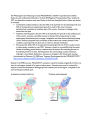
Show CMAP Modeling Results: "Innovate" Scenario June 8, 2009 9 records, manages the system and generates reports. The result is that the traffic signal adjusts the cycle to provide a little more green to allow the bus to pass through without stopping, or shortens the red time as a bus approaches so the light turns green in time for the bus to pass through. The adjustment can be made to left or right turn lights, as well, and is handled in such a way as to minimize impacts on the other traffic using the intersection. The goal of TSP is to reduce the travel time impacts for transit vehicles moving through intersections. Examples of measured benefits: "In Tacoma, Washington the combination of TSP and signal optimization reduced transit signal delay about 40% in two corridors. TriMet (Portland, Oregon) was able to avoid adding one more bus by using TSP and experienced a 10% improvement in travel time and up to a 19% reduction in travel time variability. Due to increased reliability, TriMet has been able to reduce scheduled recovery time. In Chicago, PACE buses realized an average of 15% reduction (three minutes) in running time. Actual running time reductions varied from 7% to 20% depending on the time of day. With the implementation of TSP and through more efficient run cutting, Pace (Chicago) was able to realize a savings of one weekday bus while maintaining the same frequency of service. Los Angeles experienced up to 25% reduction in bus travel times with TSP." Source: Transit Signal Priority (TSP): A Planning and Implementation Handbook (Smith, Hemily, Ivanovic, May 2005) http://www.itsa.org/itsa/files/pdf/TSPHandbook2005.pdf Required investment A modern, systemwide application of advanced transit signal priority requires a large investment in equipment. All vehicles and traffic signals must be appropriately equipped. Supporting technologies Implementation of regionwide transit signal priority requires a significant investment in: Field devices (signals, traffic surveillance through vehicle detectors and cameras ) Communications infrastructure (on-board and vehicle based) Integration and operating software Operations centers to house staff and software Communications capabilities with the traveling public and other agencies |