| OCR Text |
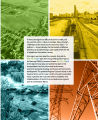
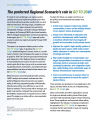
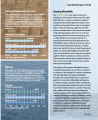
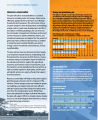
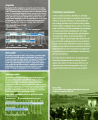
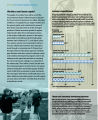
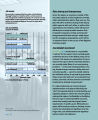
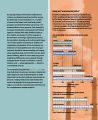
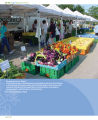
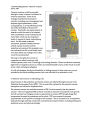
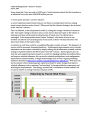
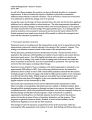
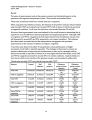
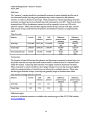
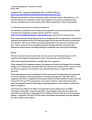
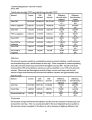
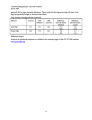
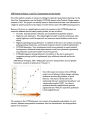
Show Energy and greenhouse gas The region's principal sources of greenhouse gas emissions are the electricity and natural gas used to power our buildings and the consumption of gasoline by vehicles on our roads. With its focus on livable communities, conservation measures, and a more efficient transportation system, the preferred Regional Scenario is expected to reduce regional energy consumption and greenhouse gas emissions. However, these actions do not by themselves fully achieve national goals; technological changes and adoption of alternative energy sources, which are not assumed in the pre-ferred Regional Scenario, are likely necessary to reach these goals. Greenhouse gas emissions per capita annual emissions of CO2 equivalents, in millions of metric tons Source: Chicago Metropolitan Agency for Planning 12.4 15.2 reference scenario current preferred scenario 9.5 0 1 2 3 4 5 6 7 8 9 10 11 12 13 14 15 PAGE 16 GO TO 2 04 0 Pr e f e r r e d Re g i o n a l Sc e n a r i o Infrastructure cost The region has an enormous supply of physical infrastructure, and maintaining it is costly. The preferred Regional Scenario is expected to reduce the cost of new infrastructure needed to sup-port growth by reinvesting in our existing communities, allowing resources to be focused on improving our existing infrastructure and making strategic improvements. In this chart, miles of new local roads are used as an indicator of the overall need for new local infrastructure. Resource conservation The plan will call for increased efforts to conserve resources, including water and energy; these can be effectively applied at the local level or by individual households and businesses. This will include a focus on green design for new developments and buildings, energy codes to guide new development, retrofits or renovations of existing buildings, the use of innova-tive stormwater management techniques and erosion control measures to protect wetlands, streams, and recreational waterways, and support for the growth of green jobs. Many of these improvements, in addition to imparting environmental benefits, also reduce energy costs for households and businesses, increas-ing affordability. The plan will also treat our farmland and food supply as an important natural resource, emphasizing local food production and access to fresh food as a means to reduce energy consumption, improve health and the natural environment, support the agricultural economy, and increase a sense of community. Local food systems can be strengthened by local actions as well as broader regional or state policy, and the plan will identify actions at a variety of levels that support local food systems. Resource conservation will help to reduce the region's greenhouse gas emissions, but it is only part of the solution. Cleaner energy sources are needed to power our buildings, and cleaner fuels and more efficient vehicles must be part of the solution to reduce emis-sions from the transportation sector. While these issues are addressed at a larger scale than the region, the plan will support efforts to develop cleaner energy sources or use technological advancements to reduce our greenhouse gas emissions. Photo credits: Top image courtesy of iStockphoto, bottom image by Brian Helder, left background images by Clifton Trimble, right background image by Jason Martini. Infrastructure cost miles of local streets current miles of local streets new miles of local streets preferred scenario reference scenario 0 5,000 10,000 15,000 20,000 25,000 30,000 28,286 3,369 28,286 5,064 Source: Chicago Metropolitan Agency for Planning |