| OCR Text |
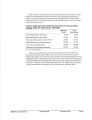
Show Table 2 shows estimated residential development and population outside UGBs from 1990-2050 for both alternatives. By minimizing new dwelling units on resource lands and exception areas, the population living outside UGBs decreases by 50,000 people and 21,000 dwelling units under the Land-Conserving Alternative. Table 2. Estimated new residential development and population outside UGBs for Alternatives, 1990-2050 Historical Land Trend Conserving New dwelling units on farm land 9,840 3,280 New dwelling units on forest land 10,200 3,400 Total new dwelling units on resource land 20,040 6,680 New dwelling units in exceptions areas 24,785 17,218 Total new rural dwelling units 44,825 23,898 Estimated Rural Population allocation 107,579 57,356 Source: ECONorthwest, 2000. Table 3 summarizes the results of the analysis for inside UGBs. The increased densities inside UGBs under the Land-Conserving Alternative reduces the total land needed by about 43,000 acres over the Historical Trend Alternative. The Land-Conserving Alternative would require UGB expansions of about 63,000 acres. For both alternatives, the sum of the rural population (last line of Table 2) and Urban Population (first line of Table 3) is the same: roughly two million new people in the valley between 1990 and 2050. DRAFT Summary Report ECONorthwest December 2000 Page 9 |