| OCR Text |
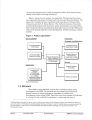
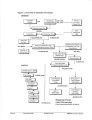
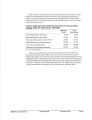
Show • Historical Trend Alternative-our projection of how development will occur in the absence of major shifts in existing market forces or public policy. • Land-Conserving Alternative-more compact development inside UGBs and Exception Areas, (land where current zoning allows for new rural residential population) and less development on resource land. We then describe our simulation of land consumption during the period 1990 to 2050 under both alternatives. Research Report 1, Density, Development Patterns, and Definition of Alternatives, fully describes our methods to estimate future development patterns. Though this section focuses on growth and development patterns, its results are less important on their own than they are as inputs to the three following sections in this summary report: the impact of the development patterns on farm and forest production, and on the costs of public services. 2.1 METHODS This study starts with several assumptions and data sources from the Consortium's Plan Trend 2050. The most important assumptions taken from the Consortium are total population and employment growth to 2050, likely areas for UGB expansions, and crop and forest coverages. This study develops the Historical Trend Alternative from the Plan Trend 2050, and the Land-Conserving Alternative from the Historical Trend Alternative. It accepts the 2050 population forecasts at the County level, and the allocation of population to cities within counties. It accepts the Consortium's underlying land coverage data (e.g., slopes, flood plains, crop cover). It accepts as a starting point assumptions about urban densities and rural development patterns, but adjusts them as necessary based on the results of our research. Throughout this report we describe development in terms of urbanized acres. Consistent with current state policy, cities in 2050 would have to maintain a 20-year supply of buildable land beyond the urbanized area. Thus, UGBs in 2050 are larger than urbanized areas estimated in this report. This study is concerned both with the future location of both urban development and UGBs. Thus, the methods aim to estimate the amount and general location of urban development regardless of whether that development occurs within UGBs. Farm and forest land outside of UGBs that is urbanized is not available for production-estimating that loss of production is critical for this study. But Oregon land use policy has 25 years of history with UGBs-any discussion of urbanization, land consumption, and resource land inevitably occurs in the context of UGBs. Thus, this study also estimates the amount of land that will fall within 2050 UGBs. DRAFT Summary Report ECONorthwest December 2000 Page 5 |